

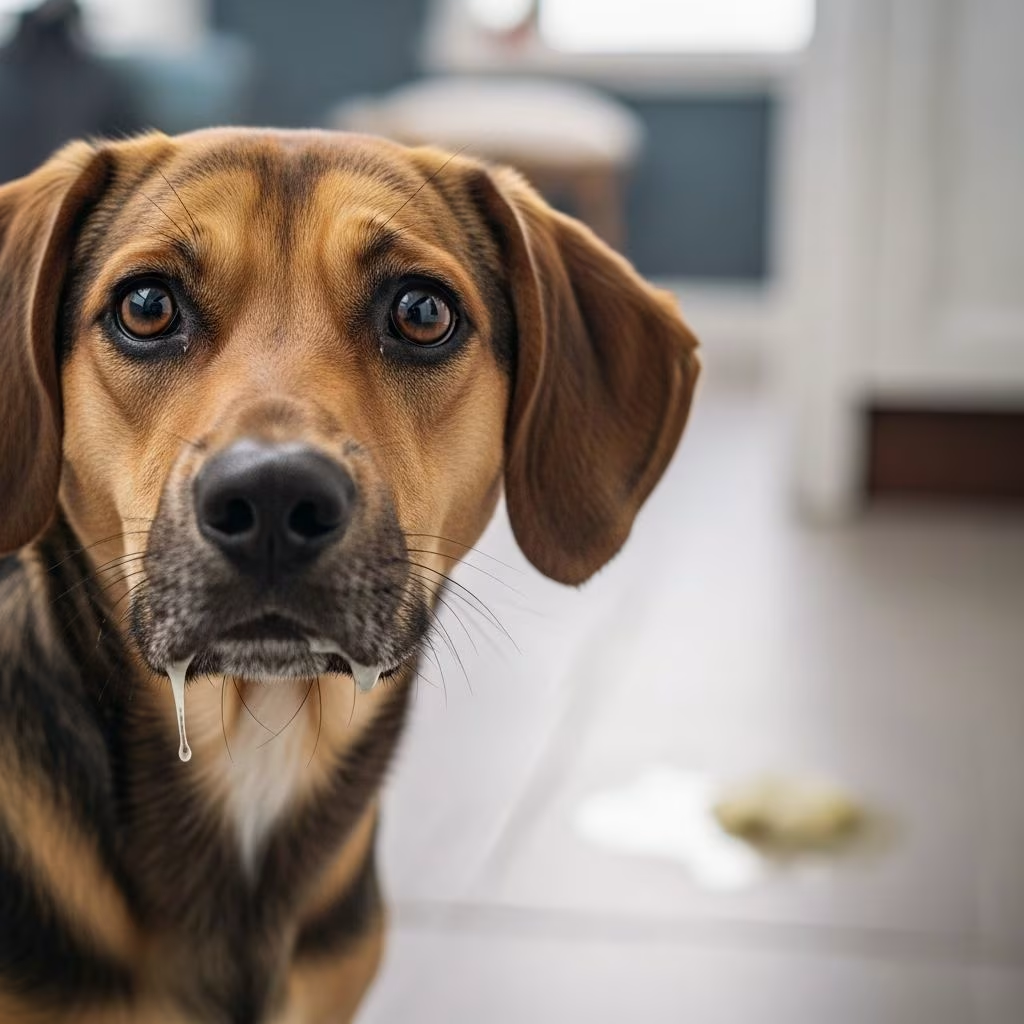
Vomiting in dogs involves the active expulsion of stomach contents, often signaling digestive irritation or deeper health issues. While occasional episodes may resolve on their own, persistent or severe cases demand prompt attention to prevent complications like dehydration.
Recognizing Normal vs. Abnormal Vomiting
Dogs occasionally regurgitate undigested food shortly after eating, which differs from true vomiting marked by retching and forceful ejection. True vomiting typically follows nausea signs like lip licking or salivation.
- Regurgitation: Passive, undigested food; common in puppies or after gulping meals.
- Vomiting: Forceful, may include bile, foam, or partially digested material; indicates stomach contractions.
Monitor frequency: single incidents post-meal often self-resolve, but twice-daily or more warrants concern.
Primary Gastrointestinal Triggers
Many vomiting cases stem from direct gut disturbances. Dietary indiscretions, such as scavenging spoiled food or trash, frequently irritate the stomach lining, leading to gastritis.
- Parasitic infections like roundworms in young dogs provoke nausea and expulsion.
- Foreign objects, including toys or bones, can obstruct intestines, causing repeated heaving.
- Sudden diet shifts or food sensitivities trigger inflammatory responses.
Bacterial or viral gut infections, including parvovirus in unvaccinated pups, escalate to severe dehydration if untreated.
Systemic Conditions Mimicking Gut Problems
Beyond the digestive tract, organ failures contribute significantly. Pancreatitis, inflammation of the pancreas, often follows fatty meal indulgence and presents with intense abdominal discomfort alongside vomiting.
| Condition | Key Symptoms | Urgency Level |
|---|---|---|
| Acute Kidney Failure | Excessive thirst, lethargy, bloody vomit | Emergency |
| Liver Failure | Yellow gums, weakness, dark urine | High |
| Pancreatitis | Hunched posture, refusal to eat | High |
| Diabetes | Increased urination, weight loss | Moderate to High |
Gastric dilatation-volvulus (bloat), especially in deep-chested breeds, twists the stomach, cutting off blood flow—a life-threatening emergency with unproductive retching.
Interpreting Vomit Appearance and Accompanying Signs
Vomit characteristics offer diagnostic clues. Yellow foam suggests bile reflux from an empty stomach; red streaks indicate bleeding ulcers or trauma.
- Bloody vomit: Fresh red signals upper GI bleed; coffee-ground appearance means digested blood from ulcers.
- Green or blue: Possible toxin ingestion like antifreeze.
- Undigested food hours later: Suggests delayed gastric emptying or obstruction.
Paired symptoms amplify risks: abdominal pain (guarding belly), fever, diarrhea, lethargy, or weight loss signal systemic involvement.
When to Rush to the Vet
Act immediately if vomiting persists beyond 24 hours, recurs multiple times daily, or includes blood, severe weakness, or bloating.
- Puppies, seniors, or those with pre-existing conditions face higher dehydration risks.
- Signs of shock: pale gums, rapid breathing, collapse require emergency intervention.
Even isolated episodes with concerning vomit color merit a call; better safe than facing organ damage.
Diagnostic Approaches in Veterinary Practice
Vets start with history and physical exam, probing diet changes, toxin exposure, or travel.
- Basic tests: Bloodwork for organ function, fecal analysis for parasites.
- Imaging: X-rays detect obstructions; ultrasound reveals pancreatitis or fluid.
- Advanced: Endoscopy or biopsy for chronic inflammation.
These pinpoint causes, guiding targeted therapy over symptomatic relief alone.
Immediate Home Management for Mild Cases
For isolated vomiting without red flags, withhold food 12-24 hours to rest the gut, offering ice cubes for hydration.
Reintroduce bland fare: boiled chicken (skinless), white rice, or potatoes in small portions 4-6 times daily. Gradually transition to normal diet over 3-5 days. Avoid raw foods due to bacterial risks like Salmonella.
Pro Tip: Fast puppies under 6 months only 6-12 hours max to prevent low blood sugar.
Professional Treatment Protocols
Hospitalization aids severe cases with IV fluids correcting dehydration and electrolytes. Antiemetics like maropitant curb nausea; protectants coat the stomach lining.
- Infections: Antibiotics if bacterial; antivirals rarely.
- Obstructions: Surgical removal.
- Chronic issues: Lifetime management, e.g., hypoallergenic diets for IBD.
Follow-up monitors resolution, adjusting for underlying diseases like kidney support diets.
Preventive Measures for a Healthier Gut
Proactive steps minimize recurrence. Maintain vaccinations against parvovirus and regular deworming.
- Feed age-appropriate, high-quality diets; transition gradually over 7 days.
- Secure trash, toxic plants, chocolate, xylitol, grapes.
- Exercise post-meals prevents bloat in at-risk breeds like Great Danes.
- Annual check-ups catch early kidney/liver issues.
Prescription gastrointestinal diets support sensitive stomachs long-term.
Frequently Asked Questions (FAQs)
Is occasional vomiting normal in dogs?
Yes, infrequent episodes from overeating or excitement often resolve without issue, but track patterns.
What home remedies soothe a vomiting dog?
Bland diets and fasting work for mild cases; consult vet first to rule out dangers.
Can stress cause dog vomiting?
Yes, motion sickness or anxiety triggers it, manageable with gradual exposure or meds.
How does dehydration from vomiting look?
Sunken eyes, dry gums, skin tenting; pinch skin—if slow return, seek fluids.
Does breed affect vomiting risks?
Brachycephalics prone to regurgitation; large deep-chested to bloat.
This guide empowers owners to discern benign upset from crises, ensuring timely care. Always prioritize veterinary advice over self-treatment.
References
- Dog Vomiting: Causes, Treatment, and Related Symptoms — WebMD. 2023. https://www.webmd.com/pets/dogs/vomiting-dogs-causes-treatment
- Vomiting in Dogs and Cats: Causes, Treatment, and Prevention — Middlehope Veterinary Hospital. 2022. https://middlehopevet.com/news/vomiting-in-dogs-and-cats-causes-treatment-and-prevention/
- Vomiting in Dogs – Dog Owners – Merck Veterinary Manual — Merck & Co., Inc. 2024-10-15. https://www.merckvetmanual.com/dog-owners/digestive-disorders-of-dogs/vomiting-in-dogs
- Vomiting in Dogs – When to Head to The Vet — Pacific Santa Cruz Vet. 2024-05-15. https://www.pacificsantacruzvet.com/site/blog/2024/05/15/dog-vomiting
- Vomiting and Diarrhoea | Gastroenteritis in Dogs — Blue Cross. 2023. https://www.bluecross.org.uk/advice/dog/health-and-injuries/vomiting-and-diarrhoea-in-dogs
- Dog Vomiting: How to Handle It When Immediate Care Is Critical — GSVS. 2023. https://gsvs.org/blog/dog-vomiting-immediate-care/



