

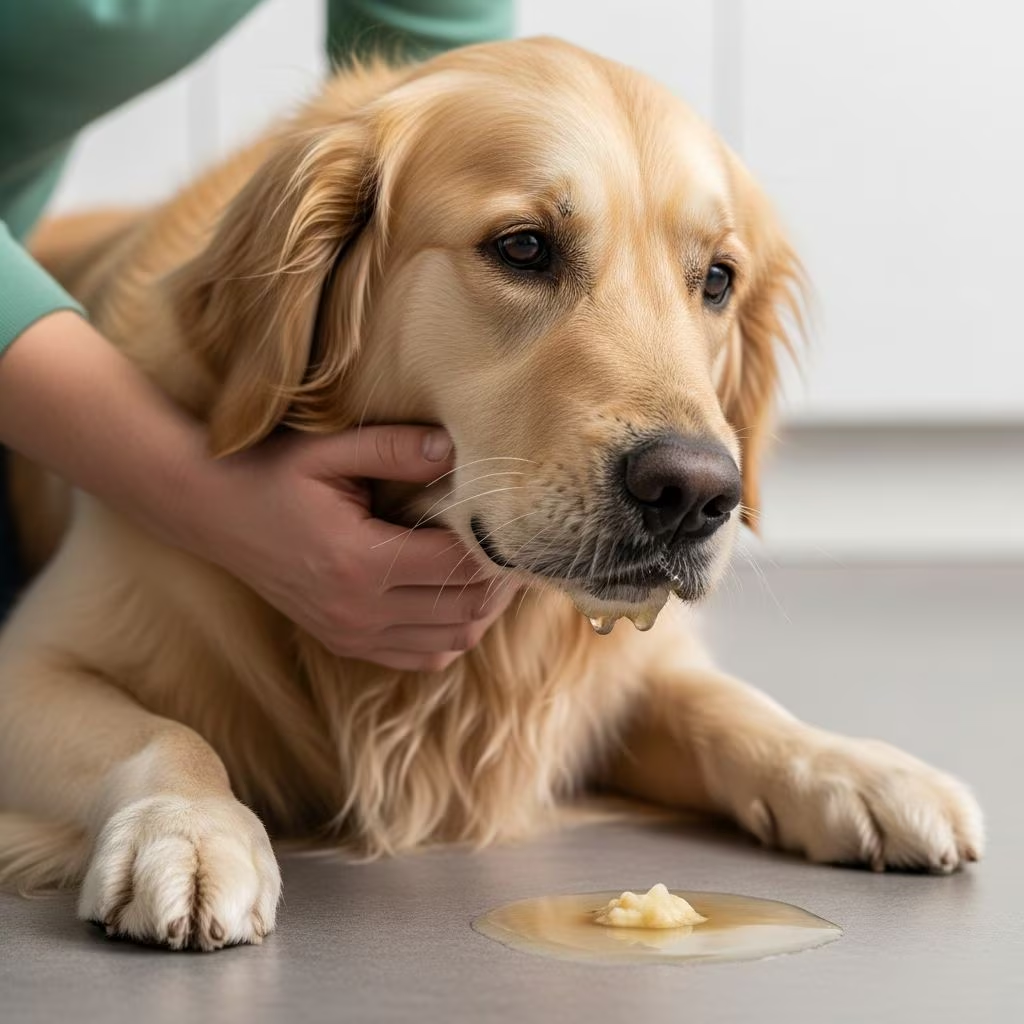
Vomiting in dogs is a frequent occurrence that can stem from minor dietary indiscretions or signal life-threatening conditions. Identifying the underlying reason promptly is crucial for effective management and your pet’s well-being.
Understanding Vomiting in Canines
Vomiting involves the forceful expulsion of stomach contents, often preceded by signs like excessive salivation, retching, or abdominal contractions. Unlike regurgitation, which is passive, true vomiting requires active muscle effort. This distinction helps owners differentiate between simple reflux and more concerning issues.
Dogs vomit for diverse reasons, ranging from benign to severe. Occasional episodes may resolve without intervention, but persistence demands professional evaluation to rule out complications like dehydration or organ dysfunction.
Primary Gastrointestinal Triggers
Many vomiting cases originate directly from the digestive tract. These primary causes disrupt normal stomach function and are often linked to what the dog ingests or environmental factors.
- Dietary Indiscretion: Scavenging spoiled food, table scraps, or non-food items like garbage frequently irritates the stomach lining, leading to acute vomiting.
- Gastritis and Inflammation: Stomach inflammation from infections, allergies, or irritants causes nausea and expulsion of contents.
- Foreign Objects: Swallowing toys, socks, or bones can obstruct the gut, prompting vomiting as the body attempts clearance.
- Parasitic Infestations: Worms like roundworms in puppies provoke gastrointestinal upset and vomiting.
- Food Sensitivities: Allergies to specific proteins trigger chronic stomach issues and repeated vomiting.
These triggers are common in active dogs prone to exploration. Monitoring eating habits reduces risks significantly.
Systemic and Secondary Contributors
Not all vomiting ties directly to the gut; secondary causes involve other organs affecting digestion indirectly. These often present with additional symptoms like lethargy or weight loss.
| Condition | Description | Associated Symptoms |
|---|---|---|
| Pancreatitis | Pancreas inflammation disrupting digestion | Abdominal pain, diarrhea, fever |
| Kidney or Liver Disease | Organ failure causing toxin buildup | Weakness, increased thirst, jaundice |
| Diabetes or Hormonal Imbalances | Metabolic disorders altering stomach motility | Weight loss, excessive urination |
| Cancer | Tumors in abdomen or elsewhere | Appetite loss, bloating |
| Infections (e.g., Parvovirus) | Viral or bacterial assaults | Bloody diarrhea, severe dehydration |
Systemic issues require comprehensive diagnostics, as treating the gut alone won’t resolve the root problem.
Life-Threatening Emergencies
Certain causes demand immediate veterinary attention to prevent fatality. Recognizing these elevates routine vomiting to crisis status.
- Gastric Dilatation-Volvulus (GDV/Bloat): Stomach twists and fills with gas, cutting off blood flow—a surgical emergency common in deep-chested breeds.
- Toxin Exposure: Ingestion of chocolate, xylitol, grapes, or antifreeze leads to rapid vomiting, seizures, or organ failure.
- Pyometra: Uterine infection in unspayed females causing systemic toxicity.
- Heatstroke: Overheating triggers vomiting amid collapse.
Bloody vomit (hematemesis), green bile, or unproductive retching signals urgency. Act swiftly to improve outcomes.
Distinguishing Vomiting Types
Acute vomiting is sudden and short-lived, often from diet or toxins. Chronic vomiting persists beyond 24-48 hours or recurs frequently, hinting at IBD, ulcers, or cancer.
Observe vomit characteristics:
- Undigested food: Recent meal-related.
- Foamy or bilious: Empty stomach irritation.
- Bloody or coffee-ground: Ulcers or clotting issues.
- Projectile: Possible obstruction.
Frequency matters: Isolated events may self-resolve; multiples indicate escalation.
Diagnostic Approaches
Veterinarians start with history-taking: onset, diet changes, toxin access, concurrent signs. Physical exams check hydration and pain.
Advanced tools include:
- Bloodwork for organ function, electrolytes.
- Imaging: X-rays, ultrasound for blockages.
- Endoscopy or biopsy for chronic cases.
These pinpoint causes, guiding targeted therapy.
Home Management for Mild Cases
For isolated vomiting without red flags, withhold food 12-24 hours to rest the stomach, offering ice chips for hydration. Reintroduce bland diet: boiled chicken/rice in small portions.
Over-the-counter options like famotidine reduce acid, but consult vets first. Avoid human meds without guidance.
Professional Treatments
Severe cases need hospitalization: IV fluids combat dehydration, antiemetics like maropitant block nausea.
Antibiotics treat infections; surgery removes obstructions or corrects GDV. Chronic management involves prescription diets or lifelong meds.
Prevention Strategies
Proactive steps minimize episodes:
- Consistent, quality diet; slow feeders prevent gulping.
- Parasite preventives and vaccinations.
- Secure toxins, trash; supervise scavenging.
- Annual check-ups detect issues early.
- Spay/neuter reduces pyometra risk.
Breed-specific monitoring (e.g., large dogs for bloat) enhances safety.
FAQs
What if my dog vomits once?
Monitor for 24 hours; offer water. Repeat or added symptoms warrant a vet call.
Is grass-eating normal before vomiting?
Often self-induced to soothe stomachs, but excess signals distress.
When is vomiting an emergency?
Multiple episodes, blood, lethargy, bloating, or toxin suspicion—seek care immediately.
Can diet changes stop chronic vomiting?
Hypoallergenic or gastrointestinal formulas help allergies or IBD.
How to prevent motion sickness vomiting?
Maropitant pre-travel; gradual desensitization.
Long-Term Outlook
Most dogs recover fully with prompt care. Early intervention prevents complications, ensuring happy, healthy lives. Stay vigilant as a responsible owner.
References
- Vomiting in Dogs and Cats: Causes, Treatment, and Prevention — Middle Hope Veterinary Group. 2023. https://middlehopevet.com/news/vomiting-in-dogs-and-cats-causes-treatment-and-prevention/
- Vomiting in Dogs – Dog Owners – Merck Veterinary Manual — Merck & Co., Inc. 2023-10-17. https://www.merckvetmanual.com/dog-owners/digestive-disorders-of-dogs/vomiting-in-dogs
- What to Give a Dog for Upset Stomach and Vomiting — GoodRx. 2024. https://www.goodrx.com/pet-health/dog/what-to-give-a-dog-for-upset-stomach-and-vomiting
- Vomiting in Dogs – When to Head to The Vet — Pacific Santa Cruz Vet. 2024-05-15. https://www.pacificsantacruzvet.com/site/blog/2024/05/15/dog-vomiting
- Dog Vomiting: How to Handle It When Immediate Care Is Critical — GSVS. 2023. https://gsvs.org/blog/dog-vomiting-immediate-care/
- Vomiting and Diarrhoea | Gastroenteritis in Dogs — Blue Cross. 2024. https://www.bluecross.org.uk/advice/dog/health-and-injuries/vomiting-and-diarrhoea-in-dogs



