

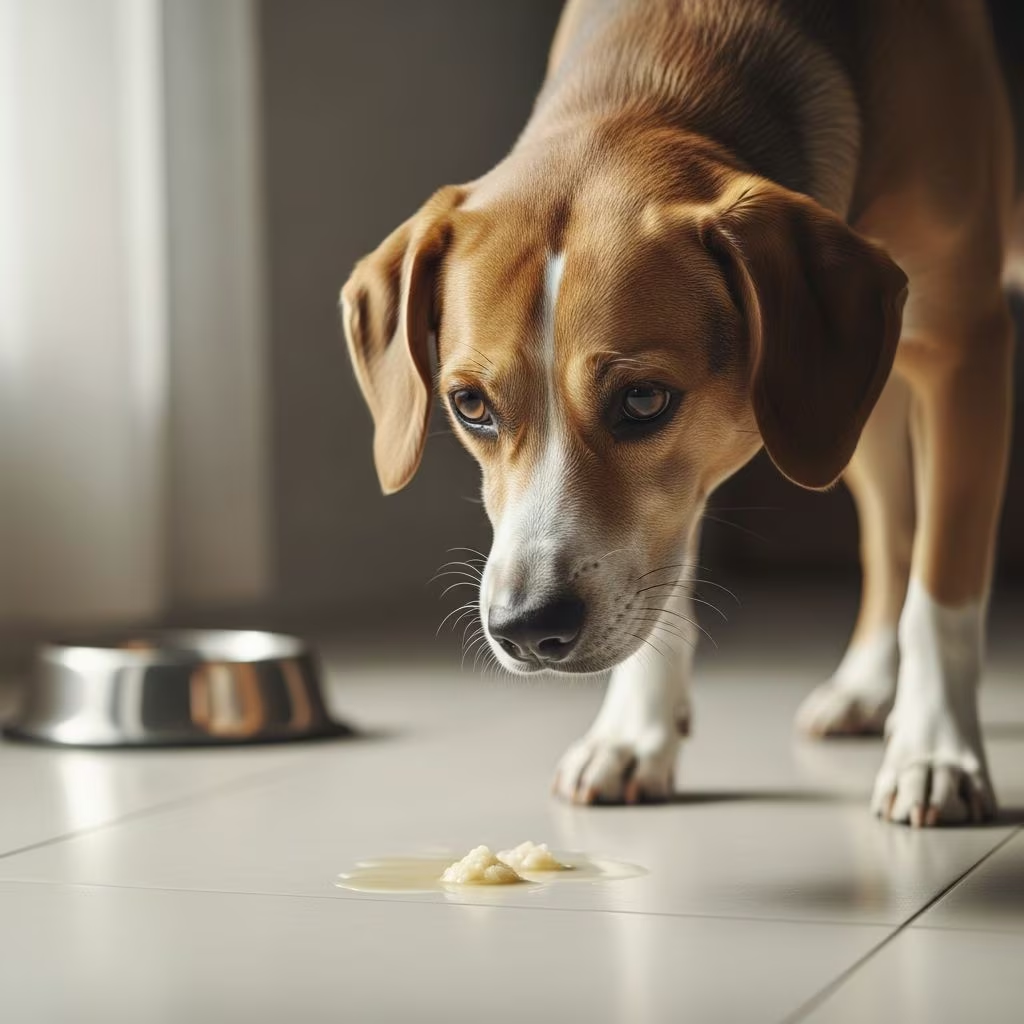
Understanding Dog Vomiting: A Comprehensive Guide
Dog vomiting is one of the most common health concerns pet owners encounter. While occasional vomiting may not always indicate a serious problem, understanding the causes, recognizing warning signs, and knowing when to seek veterinary care is essential for maintaining your dog’s health and well-being. This guide will help you navigate the complexities of canine vomiting and provide you with actionable information to protect your furry companion.
What Is Vomiting in Dogs?
Vomiting in dogs is the forceful expulsion of stomach and upper small intestine contents, including food, fluids, or debris. It typically follows signs of nausea such as excessive drooling, retching, and forceful contractions of the abdominal muscles and diaphragm.Vomiting may be preceded by other signs, such as nausea, excessive drooling, retching, and forceful contractions of the abdominal muscles and the diaphragm. Understanding this process helps pet owners recognize when their dog is experiencing genuine vomiting rather than regurgitation, which is a different condition involving the expulsion of undigested food without the forceful muscle contractions.
Common Causes of Acute Dog Vomiting
Acute vomiting refers to sudden or severe episodes of vomiting. These episodes can result from various causes, ranging from minor dietary indiscretions to serious medical conditions requiring immediate attention.
Dietary and Environmental Causes
One of the most common reasons dogs vomit is dietary indiscretion. Dogs are naturally curious and may consume items that upset their stomachs. The leading cause of acute vomiting in dogs is gastritis, typically resulting from eating garbage, spoiled foods, or other irritating substances.Gastritis is the number one cause, usually from eating garbage or spoiled foods. Additionally, dogs may vomit from:
- Eating too quickly or too much at once
- Exercising immediately after meals
- Ingesting grass, hairballs, or foreign objects
- Consuming toxic substances like chocolate, xylitol, or raisins
- Sudden changes in diet
Medical Conditions
Several acute medical conditions can trigger vomiting episodes in dogs. These include pancreatitis, bloat (gastric dilatation-volvulus or GDV), heatstroke, kidney failure, and liver failure.Acute vomiting can be caused by ingestion of irritating substances, toxins or poisons, pancreatitis, kidney failure, liver failure, diet change, intestinal parasites, viral infection, medication reaction, bloat, bacterial infection, and heatstroke. Infections caused by bacteria or viruses, including canine parvovirus, can also lead to acute vomiting episodes.
Medication and Other Reactions
Sometimes dogs vomit as a side effect of medications or supplements. If you notice your dog vomiting after starting a new medication, contact your veterinarian immediately, as they may need to adjust the dosage or switch to an alternative treatment.
Chronic Dog Vomiting: Long-Term Concerns
Chronic or frequent vomiting is more concerning than isolated episodes and typically indicates an underlying health issue that requires professional diagnosis and treatment. Chronic vomiting is defined as recurring episodes over an extended period, often accompanied by other symptoms.
Associated Symptoms of Chronic Vomiting
When dogs experience chronic vomiting, they often display additional symptoms that can help veterinarians determine the underlying cause:
- Blood in vomit or feces
- Abdominal pain or discomfort
- Depression or lethargy
- Dehydration
- Loss of appetite or poor appetite
- Weight loss
- Weakness
- Fever
- Other unusual behavioral changes
Underlying Conditions
Chronic vomiting can result from numerous underlying conditions. Chronic diseases that often cause dogs to vomit include pancreatitis, kidney failure, liver failure, diabetes mellitus, addison’s disease, cushing’s disease, parasites, stomach or upper intestinal cancer, and diseases of the inner ear. Other potential causes include intestinal obstruction, colitis, constipation, intestinal inflammation, and systemic illnesses. The important distinction is that chronic vomiting typically requires veterinary intervention and will not resolve on its own.
When to Seek Veterinary Care
Determining whether your dog’s vomiting requires immediate attention is crucial. Your dog is most likely fine if they vomit once without any other symptoms, but certain situations demand professional evaluation.
Warning Signs Requiring Immediate Attention
Contact your veterinarian immediately if your dog exhibits any of the following:
- Continuous or chronic vomiting over days or weeks
- Multiple vomiting episodes in a short period
- Vomiting blood or bloody vomit
- Vomiting accompanied by other serious symptoms (fever, lethargy, anemia, weight loss)
- Dry heaving or unproductive retching (appears to vomit but nothing comes up)
- Suspected ingestion of a foreign object or toxic substance
- Bloody diarrhea accompanying vomiting
- Seizures
- Signs of dehydration
- Foamy or bright green vomit
Diagnosing the Cause of Dog Vomiting
Proper diagnosis is essential for effective treatment. Your veterinarian will take a systematic approach to identify the underlying cause of your dog’s vomiting.
Initial Assessment
Your vet will ask you questions about your dog’s access to garbage, poisons, and toxins, about any recent dietary changes, and if your dog is exhibiting any other symptoms. This information gathering helps narrow down potential causes and guides further diagnostic testing.
Physical Examination
Your veterinarian will perform a thorough physical examination, checking your dog’s vital signs, abdominal area, and overall condition. This hands-on assessment can reveal signs of pain, dehydration, or other abnormalities.
Diagnostic Testing
If your vet feels it is necessary, they will run any additional tests, such as blood work, ultrasounds, X-rays, endoscopic evaluations, biopsies, and urine tests. These tests help identify internal issues, infections, blockages, or organ dysfunction that might not be apparent from the physical examination alone.
Understanding Vomit Color and Appearance
The appearance of your dog’s vomit can provide valuable clues about the underlying issue. Different colors and textures may indicate different problems:
Vomit Color Guide
| Vomit Color/Type | Possible Causes | Action Required |
|---|---|---|
| Bright Red | Gastritis, ulcers, inflammatory bowel disease, foreign body ingestion, trauma, clotting issues, heat stroke, parvovirus | Contact veterinarian |
| Light Brown | Chocolate ingestion, dirt or mud ingestion, intestinal blockage | Emergency vet care if chocolate is suspected |
| Foamy or White | Bloat or gastric dilatation-volvulus (GDV) | Emergency vet care immediately |
| Mucus, Slime, or Moldy Contents | Parasites, spoiled food ingestion, contaminated water | Contact veterinarian |
Treatment Options for Dog Vomiting
Treatment depends on the underlying cause and severity of your dog’s condition. Your veterinarian will develop a tailored treatment plan based on their diagnosis.
Short-Term Vomiting Management
Generally, the treatment for short-term vomiting requires withholding food and limiting access to water for 24 hours. However, it’s important to note that water should never be completely withheld unless your dog is receiving supplemental fluids through IV or subcutaneous administration, as this can worsen dehydration.
Medications
Medications used to treat dog vomiting include Metoclopramide, Cerenia, ondansetron or dolasetron. Additionally, your veterinarian may prescribe medications to coat the stomach lining and protect against gastric ulcers, including sucralfate, famotidine, and omeprazole. Anti-nausea medications help control vomiting and allow your dog to recover more comfortably.
Fluid Therapy and Supportive Care
Vomiting itself can create issues like dehydration, electrolyte imbalances, and acid-based disorders. Your vet will address these problems by treating the symptoms and in some cases prescribing anti-nausea medications. Fluid therapy helps restore hydration and electrolyte balance, which are critical for recovery.
Dietary Management
For dogs that can be treated at home, dietary adjustments are important. Offer a bland diet consisting of easily digestible foods such as boiled chicken and rice. This gentle approach helps settle the stomach while providing necessary nutrients. Probiotics may also be recommended to help restore healthy gut bacteria and prevent colonization by pathogenic bacteria.
Long-Term Treatment
Treatment for long-term vomiting is directed at elimination of the cause, if it can be identified. Once your veterinarian determines the underlying condition causing chronic vomiting, they will address that specific issue. This might involve treating infections, managing chronic diseases, addressing dietary sensitivities, or performing surgery if a foreign body or obstruction is present.
Home Care and Prevention
While some cases of dog vomiting require professional medical intervention, there are steps you can take at home to support your dog’s recovery and prevent future episodes.
During Recovery
- Follow your veterinarian’s feeding instructions carefully
- Provide small, frequent meals rather than large portions
- Ensure fresh water is available, unless otherwise directed
- Keep your dog calm and restrict vigorous activity
- Monitor your dog closely for any changes in condition
- Administer prescribed medications as directed
Prevention Strategies
- Prevent access to garbage, toxic foods, and harmful substances
- Introduce dietary changes gradually over 7-10 days
- Avoid exercising your dog immediately after meals
- Feed appropriate portion sizes and maintain a consistent feeding schedule
- Keep toys and small objects that could be swallowed out of reach
- Maintain current parasite prevention treatments
- Schedule regular veterinary checkups
Frequently Asked Questions
Q: Is occasional dog vomiting normal?
A: A single vomiting episode without other symptoms is usually not cause for concern. However, if vomiting becomes frequent or is accompanied by other symptoms, veterinary evaluation is necessary.
Q: What should I feed my dog after vomiting?
A: After withholding food for 12-24 hours, offer small amounts of bland food such as boiled chicken and rice. Gradually return to your dog’s normal diet over several days as they improve.
Q: Can I treat dog vomiting at home?
A: Minor cases of vomiting due to dietary indiscretion can often be managed at home with rest, fasting, and a bland diet. However, chronic vomiting or vomiting accompanied by other symptoms requires veterinary evaluation.
Q: When should I call an emergency vet for dog vomiting?
A: Contact an emergency veterinarian immediately if your dog is vomiting blood, exhibiting signs of bloat (foamy vomit, distended abdomen), showing signs of severe dehydration, or if vomiting is accompanied by seizures or severe lethargy.
Q: How can I prevent my dog from vomiting?
A: Prevent vomiting by keeping toxic substances away from your dog, introducing dietary changes gradually, maintaining a regular feeding schedule, avoiding exercise immediately after meals, and keeping up with parasite prevention and veterinary checkups.
Q: What’s the difference between vomiting and regurgitation?
A: Vomiting involves forceful muscle contractions and expulsion of stomach contents, while regurgitation is the passive return of undigested food. The causes and treatments differ, so proper diagnosis is important.
Q: How long should I monitor my dog after an episode of vomiting?
A: Monitor your dog for at least 24-48 hours after a vomiting episode. If no additional vomiting occurs and your dog returns to normal behavior and appetite, the episode was likely minor. If vomiting continues or new symptoms develop, seek veterinary care.
References
- Dog Vomiting: Causes, Diagnosis, and Treatment — American Kennel Club. 2024. https://www.akc.org/expert-advice/health/dog-vomiting-causes-diagnosis-and-treatment/
- Vomiting in Dogs — Merck Veterinary Manual. 2024. https://www.merckvetmanual.com/dog-owners/digestive-disorders-of-dogs/vomiting-in-dogs
- Vomiting in Dogs | VCA Animal Hospitals — VCA Animal Hospitals. 2024. https://vcahospitals.com/know-your-pet/vomiting-in-dogs
- Dog Vomiting: Causes & Treatments — Purina. 2024. https://www.purina.com/articles/dog/health/digestion/causes-of-dog-vomiting
- Vomiting in Dogs – PetMD — PetMD. 2024. https://www.petmd.com/dog/symptoms/vomiting-in-dogs
- Vomiting Dog – Vetwest Veterinary Clinics — Vetwest. 2024. https://www.vetwest.com.au/pet-library/vomiting-dog/



