Understanding Dog Vomiting: Causes, Symptoms, and Care
A comprehensive guide to recognizing, managing, and treating vomiting in dogs
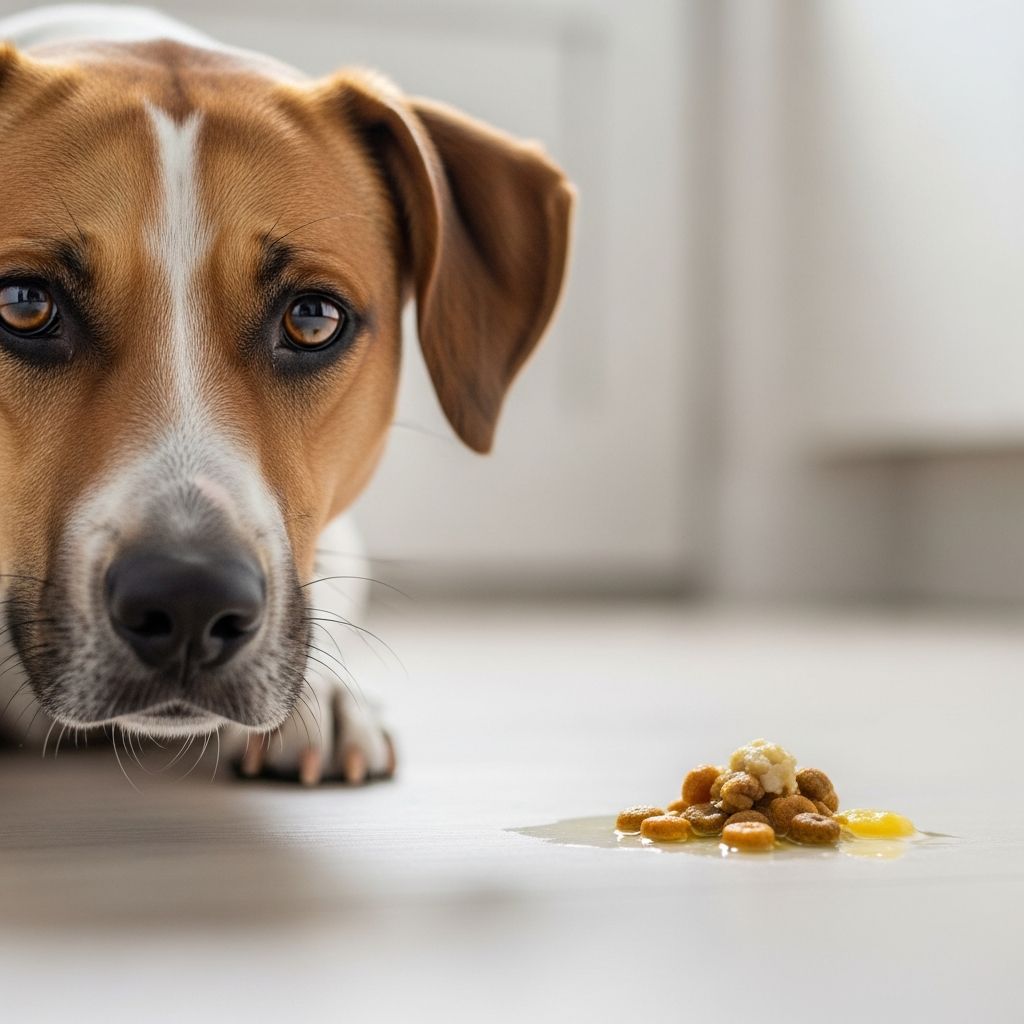
What Is Vomiting in Dogs?
Vomiting is the forceful ejection of stomach and upper small intestine contents, including food, fluids, or debris. It is typically preceded by recognizable signs such as excessive drooling, retching, nausea, and forceful contractions of the abdominal muscles and diaphragm. Understanding this distinction is important because not all regurgitation or stomach upset presents the same way, and identifying the specific pattern can help veterinarians diagnose underlying issues more effectively.
While occasional vomiting may occur in healthy dogs, frequent or persistent vomiting warrants investigation, as it can indicate minor dietary issues or serious medical conditions.
Primary Triggers of Canine Vomiting
Dietary Indiscretion and Opportunistic Eating
The most prevalent cause of vomiting in dogs is dietary indiscretion—consuming something inappropriate or unsuitable for digestion. Dogs are naturally curious and often consume items without considering digestive consequences. Common culprits include:
- Garbage and household waste
- Table scraps and spoiled food
- Excessive grass consumption
- Bones, toys, and non-food objects
- Household chemicals and toxic plants
Dogs experiencing dietary indiscretion typically vomit once or twice but otherwise appear normal and maintain regular appetites. However, if vomiting persists or is accompanied by lethargy and loss of appetite, veterinary evaluation is necessary to exclude serious complications such as intestinal blockage or toxin exposure.
Food Sensitivities and Dietary Transitions
Dogs with food allergies or sensitivities often experience chronic intermittent vomiting, particularly after diet changes or introduction of new treats. Unlike acute vomiting from dietary indiscretion, allergic reactions typically develop over time and may present alongside other symptoms. Associated signs include:
- Itchy or inflamed skin
- Recurring ear infections
- Gas and abdominal bloating
- Chronic or intermittent vomiting
Veterinarians may recommend limited-ingredient diets or elimination diets for diagnosis and management of food-related vomiting. Gradual dietary transitions—mixing old and new food over 7–10 days—can minimize digestive disruption when changing brands or formulations.
Infectious Agents: Viral, Bacterial, and Parasitic
Infections represent another significant cause of canine vomiting. Viral infections such as parvovirus and distemper, bacterial infections from contaminated food or environmental sources, and parasitic infestations (roundworms, hookworms, giardia) all trigger gastrointestinal inflammation.
Infectious vomiting typically presents with additional symptoms:
- Concurrent diarrhea, often severe
- Lethargy and reduced activity
- Fever and body temperature elevation
- Dehydration and loss of appetite
- Weight loss (with chronic parasitic infection)
Puppies, senior dogs, and unvaccinated animals face elevated infection risk. Prompt veterinary care is essential for infectious vomiting, as dehydration and electrolyte imbalance can develop rapidly.
Inflammatory and Systemic Diseases
Pancreatitis—inflammation of the pancreas—frequently causes severe vomiting and requires immediate veterinary intervention. This condition is often triggered by high-fat meals and presents with characteristic symptoms:
- Repeated or continuous vomiting
- Acute abdominal pain (dogs often assume a “prayer position” with front legs extended and rear elevated)
- Complete loss of appetite
- Diarrhea and abdominal distension
Other systemic diseases causing vomiting include liver dysfunction, kidney failure, gastritis (stomach inflammation), inflammatory bowel disease (IBD), and cancer. These chronic conditions produce recurrent vomiting alongside additional symptoms like weight loss, depression, and poor coat quality.
Toxin Ingestion and Environmental Hazards
Accidental consumption of toxic substances triggers acute vomiting and requires rapid intervention. Common canine toxins include chocolate, xylitol (sugar substitute), raisins, grapes, certain medications, and household chemicals. Heatstroke also causes vomiting when dogs are exposed to excessive heat.
Mechanical and Physical Obstructions
Intestinal blockages and bloat (gastric dilatation-volvulus, or GDV) represent serious emergencies requiring surgical intervention. Blockages form when foreign objects become lodged in the gastrointestinal tract, while bloat occurs when the stomach fills with gas and potentially twists. Both conditions present with:
- Persistent, projectile vomiting
- Severe abdominal pain and distension
- Restlessness or inability to find comfort
- Rapid deterioration and shock if untreated
Recognizing Accompanying Symptoms
Identifying additional symptoms alongside vomiting helps veterinarians narrow diagnostic possibilities. Watch for:
- Diarrhea: Often indicates infection, parasites, or inflammatory conditions
- Drooling and lip licking: Classic signs of nausea preceding vomiting
- Loss of appetite or refusing food: Suggests more serious illness than simple dietary upset
- Restlessness or postural changes: Indicates abdominal pain or discomfort
- Dehydration signs: Sunken eyes, dry gums, reduced skin elasticity
- Lethargy and reduced activity: Points to systemic illness or significant discomfort
- Blood in vomit or stool: Suggests gastrointestinal bleeding or serious infection
- Weight loss and depression: Characteristic of chronic disease or cancer
Distinguishing Urgent from Routine Cases
Not all vomiting episodes demand emergency care, but certain presentations require immediate veterinary attention. Contact your veterinarian urgently if your dog exhibits:
- Vomiting more than three times within 24 hours
- Visible blood in vomit or accompanying stool
- Severe dehydration signs (sunken eyes, very dry mucous membranes)
- Continuous diarrhea lasting more than a few hours
- Signs of poisoning or toxin ingestion
- Extreme lethargy, collapse, or unresponsiveness
- Vomiting immediately after consuming foreign objects
- Visibly bloated, hard, or extremely tender abdomen
In contrast, isolated vomiting episodes with normal subsequent behavior, maintained appetite, and regular bowel movements may represent minor digestive upset manageable at home.
Diagnostic Approaches Veterinarians Use
When persistent or concerning vomiting occurs, veterinarians employ multiple diagnostic tools to identify underlying causes:
- Blood tests: Evaluate organ function (liver, kidneys, pancreas) and identify infections
- Fecal analysis: Detects parasitic infestations
- Abdominal radiographs (X-rays): Reveal blockages, foreign objects, and gas patterns
- Ultrasound imaging: Provides detailed views of abdominal organs and identifies inflammation
- Endoscopy: Allows direct visualization of the stomach and upper intestines
- Biopsy: Obtains tissue samples for cancer or inflammatory disease diagnosis
- Exploratory surgery: Performed when other diagnostics are inconclusive or blockages require removal
Home Management for Mild Cases
For dogs with minor vomiting and no serious warning signs, several home care strategies may provide relief:
Fasting and Gradual Refeeding
Withholding food for 8–12 hours allows the stomach to settle and reduces continued irritation. Following this fasting period, offer small amounts of bland food such as plain boiled chicken, rice, or prescription digestive diets. Gradually transition back to regular food over several days.
Hydration Management
Provide unlimited access to fresh, clean water to prevent dehydration. If vomiting is severe, offer small amounts of water frequently rather than large quantities at once. Some dogs tolerate ice chips or electrolyte solutions designed for pets better than plain water.
Dietary Modifications
A temporary bland diet consisting of easily digestible foods reduces gastrointestinal stress. Divide daily food portions into multiple small meals rather than one or two large feedings.
Probiotic and Digestive Support
Probiotics support healthy gut flora and may reduce inflammation in minor cases. However, use products formulated specifically for dogs and consult your veterinarian before starting supplements.
Professional Treatment Options
Veterinary treatment varies based on identified causes and severity:
- Antiemetic medications: Control vomiting and reduce nausea
- Antibiotics: Address bacterial infections
- Fluid therapy: Restore hydration and electrolyte balance, especially for severe cases
- Deworming medications: Eliminate parasitic infestations
- Pain management: Reduce discomfort in conditions like pancreatitis
- Prescription diets: Support digestive recovery and identify food sensitivities
- Surgery: Required for intestinal blockages, bloat, or foreign body removal
Long-term vomiting treatment focuses on identifying and eliminating the underlying cause while managing secondary complications such as dehydration and electrolyte imbalances.
Preventive Measures and Best Practices
While not all vomiting is preventable, several strategies reduce risk:
- Maintain consistent, high-quality diet and avoid sudden food changes
- Secure trash and remove access to household hazards
- Ensure current vaccinations and parasite prevention
- Avoid feeding table scraps and fatty foods
- Remove small toys or objects dogs might swallow
- Monitor for signs of illness and seek early veterinary care
Frequently Asked Questions
Q: Can motion sickness cause dog vomiting?
A: Yes, some dogs experience motion sickness during car rides or travel. Mild medications prescribed by your veterinarian can prevent this before trips.
Q: When should I worry about my dog’s vomiting?
A: Seek immediate care if vomiting occurs more than three times daily, contains blood, accompanies severe abdominal pain, or occurs with lethargy and refusal to eat.
Q: Are there long-term complications from chronic vomiting?
A: Yes, persistent vomiting can lead to nutritional deficiencies, dehydration, electrolyte imbalances, and weight loss. Identifying the underlying cause is essential for preventing complications.
Q: What should I feed a dog recovering from vomiting?
A: After a fasting period, introduce bland foods like plain cooked chicken, rice, or prescription digestive diets in small, frequent meals.
References
- Dog Vomiting Causes and Treatments: Essential Pet Guide — Riverbend Pet. Accessed 2026. https://www.riverbendpet.com/dog-vomiting-causes-treatments/
- Dog Vomiting: Causes, Treatment, and Related Symptoms — WebMD Pets. Accessed 2026. https://www.webmd.com/pets/dogs/vomiting-dogs-causes-treatment
- Dog Vomiting: Common Causes and Quick Relief Tips — Oakhurst Veterinary Center. Accessed 2026. https://www.oakhurstvetcenter.com/dog-vomiting-causes-symptoms-easy-remedies-guide/
- Dog Vomiting: Causes & Treatments — Purina. Accessed 2026. https://www.purina.com/articles/dog/health/digestion/causes-of-dog-vomiting
- Understanding Dog Vomiting: Causes, Symptoms, and Home Remedies — Heads Up For Tails. Accessed 2026. https://headsupfortails.com/blogs/dogs/understanding-dog-vomiting
- Vomiting in Dogs — PDSA Pet Health Hub. Accessed 2026. https://www.pdsa.org.uk/pet-help-and-advice/pet-health-hub/symptoms/vomiting-in-dogs
- Vomiting in Dogs — Merck Veterinary Manual. Department of Clinical Sciences, Veterinary Teaching Hospital, Colorado State University. https://www.merckvetmanual.com/dog-owners/digestive-disorders-of-dogs/vomiting-in-dogs
- Vomiting in Dogs | VCA Animal Hospitals — VCA Animal Hospitals. Accessed 2026. https://vcahospitals.com/know-your-pet/vomiting-in-dogs
Similar Articles








Read full bio of Sneha Tete