

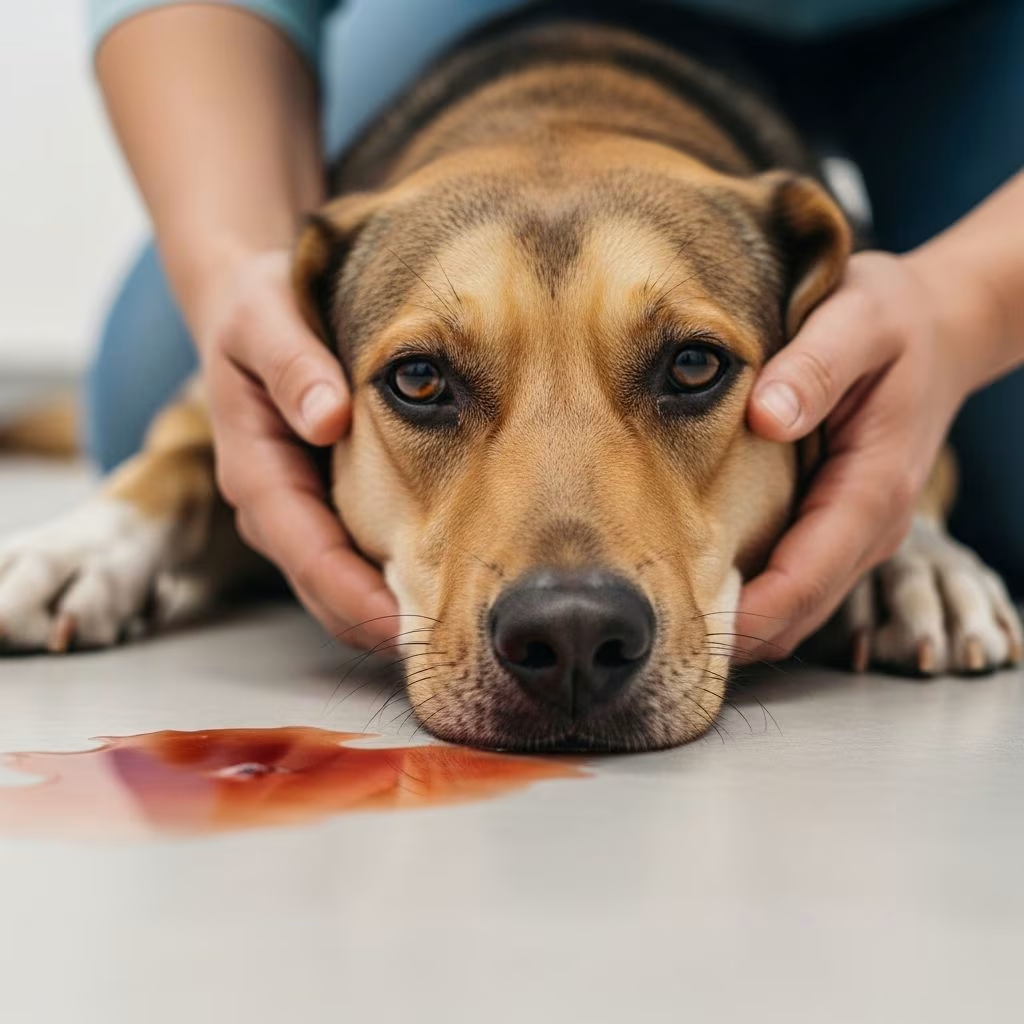
Blood appearing in a dog’s vomit, known medically as hematemesis, demands immediate attention as it often points to underlying gastrointestinal distress or systemic illness. Pet owners must recognize this symptom promptly to facilitate timely veterinary intervention, which can be life-saving.
Recognizing Blood in Your Dog’s Vomit
Identifying blood in vomit starts with observing its appearance, which provides clues about the bleeding source. Bright red, liquid blood typically originates from the upper digestive tract, such as the esophagus or mouth, where it hasn’t been altered by stomach acids. In contrast, dark, clotted blood or material resembling coffee grounds indicates partial digestion in the stomach or upper intestines, suggesting a more internal issue.
Foamy vomit with pink tinges or tiny blood specks often reflects mild irritation rather than massive hemorrhage, though it still warrants monitoring. Texture matters too: fresh blood is fluid, while digested forms appear granular. Accompanying signs like lethargy, pale gums, or bloody diarrhea elevate the urgency.
Common Gastrointestinal Triggers
Many cases trace back to problems within the stomach and intestines. Prolonged vomiting from any cause can erode the lining, leading to bleeding as protective barriers break down. Foreign objects, such as swallowed toys, bones, or sharp items, frequently lacerate the tract, causing obstruction and hemorrhage.
- Stomach and Intestinal Ulcers: These erosions, sparked by medications like NSAIDs, chronic irritation, or infections, bleed into the vomit.
- Hemorrhagic Gastroenteritis (HGE) or Acute Hemorrhagic Diarrhea Syndrome (AHDS): This sudden condition brings profuse bloody vomiting and diarrhea, risking rapid dehydration.
- Inflammatory Bowel Disease (IBD): Chronic inflammation occasionally results in bloody expulsion.
Parasitic invasions, particularly hookworms or Giardia in unprotected dogs, damage the mucosal lining, especially in puppies.
Systemic and Infectious Culprits
Beyond the gut, broader health disruptions contribute. Viral infections like parvovirus in unvaccinated pups ravage the intestines, producing bloody vomit alongside severe diarrhea. Bacterial agents, including Salmonella or Helicobacter, similarly inflame tissues.
Toxins pose a grave threat: rodenticides impair clotting, triggering widespread internal bleeding manifest as hematemesis. Other poisons, household chemicals, or plants exacerbate this. Clotting disorders, whether inherited like hemophilia or acquired, amplify minor traumas into major bleeds.
Other Serious Underlying Conditions
Organ dysfunctions link to this symptom indirectly. Liver failure may sporadically cause vomiting with occult blood, while kidney disease or pancreatitis irritates the system. Endocrine imbalances, such as Addison’s disease, disrupt homeostasis, leading to gastrointestinal hemorrhage.
Cancerous growths in the digestive tract erode vessels, and trauma from accidents induces both vomiting and bleeding. Respiratory issues or swallowed mouth injuries can mimic primary gut problems by introducing blood.
| Blood Appearance | Texture | Probable Origin | Urgency Level |
|---|---|---|---|
| Bright Red | Liquid | Esophagus/Mouth | High |
| Dark/Coffee Grounds | Clotted/Granular | Stomach/Upper Intestine | Critical |
| Pink/Foamy Specks | Foamy | Mild Irritation | Moderate |
Critical Symptoms Requiring Emergency Action
Isolated bloody vomit merits a vet visit, but clusters of signs signal crisis. Watch for repeated episodes, large blood volumes, weakness, collapse, or pale gums indicating shock from blood loss. Bloody diarrhea, abdominal pain (guarding posture), appetite loss, excessive thirst, or weight drop compound the alarm.
Even if your dog seems normal otherwise, concealed pain is common in canines, masking severity. Lethargy, gum pallor, increased heart rate, or cold extremities denote hypovolemia.
Immediate Home Steps Before Vet Care
While rushing to the clinic, withhold food and water temporarily to curb further vomiting, but don’t delay hydration if dehydration signs appear. Remove access to potential toxins or irritants. Note vomit details—volume, color, timing, recent activities—for the vet.
Avoid home remedies like over-the-counter anti-nausea drugs, as they may worsen bleeding or mask symptoms. Transport safely, keeping your dog calm to minimize stress-induced aggravation.
Veterinary Diagnostic Approach
Clinics start with history and physical exam, assessing hydration, vitals, and abdominal palpation. Blood tests evaluate clotting times, organ function, anemia levels, and infection markers. Imaging like X-rays or ultrasound detects obstructions, masses, or fluid.
Endoscopy allows direct visualization and biopsy of lesions, while fecal analysis rules out parasites. In severe cases, exploratory surgery confirms diagnoses.
Treatment Strategies for Recovery
Therapy targets the root cause while stabilizing the patient. IV fluids combat dehydration and support blood pressure. Anti-emetics control nausea, and proton pump inhibitors or sucralfate shield the stomach lining.
- For Toxins: Induce vomiting if recent (under guidance), administer activated charcoal, or use antidotes like vitamin K for rodenticides.
- Parasites/Infections: Dewormers, antibiotics, or antivirals as indicated.
- Severe Bleeding: Transfusions, plasma for clotting factors.
- HGE/AHDS: Aggressive fluids, sometimes plasma.
Hospitalization monitors progress, with bland diets introduced post-stabilization.
Preventing Future Episodes
Proactive measures reduce risks. Maintain vaccinations against parvovirus and regular deworming. Use vet-approved preventives for fleas/ticks carrying parasites. Secure toxins, sharp objects, and trash.
Avoid human meds; administer only prescribed treatments. Feed balanced diets, avoiding table scraps that upset digestion. Routine check-ups catch early issues like IBD or clotting problems.
Prognosis and Long-Term Management
Outcomes vary by cause and speed of care. Mild irritations resolve quickly with supportive therapy, while HGE or toxin exposures carry higher mortality if delayed. Chronic conditions like cancer or IBD require ongoing medication and monitoring.
Follow-up tests ensure healing, with dietary adjustments preventing recurrence. Most dogs rebound fully with prompt action.
Frequently Asked Questions (FAQs)
What should I do if my dog vomits blood once?
Monitor closely and contact your vet immediately, even if isolated—don’t wait for repeats.
Can dogs vomit blood from eating too fast?
Rarely directly, but rapid eating may cause regurgitation mimicking vomit; true hematemesis needs evaluation.
Is bloody vomit always an emergency?
Yes, due to potential life-threatening causes; err on caution.
How long can a dog live vomiting blood untreated?
Hours to days, depending on bleed volume and dehydration—delays worsen prognosis.
Does stress cause bloody vomiting in dogs?
Indirectly via ulcers or HGE flares, but always investigate further.
References
- Why Is My Dog Throwing Up Blood? — PetMD. 2023. https://www.petmd.com/dog/symptoms/why-my-dog-throwing-blood
- My Dog is Vomiting Blood: What Do I Do? — Parrish Veterinary Clinic. 2024. https://parrishvetclinic.com/blog/dog-is-vomiting-blood/
- Why Is My Dog Vomiting Blood? Causes, Prevention, & Treatments — Innovet Pet. 2023. https://www.innovetpet.com/blogs/health-care/dog-vomiting-blood
- What Does it Mean When Your Dog Throws Up Blood? — Purina. 2024. https://www.purina.com/articles/dog/health/digestion/dog-throwing-up-blood
- Understanding Hematemesis in Dogs: Causes, First Aid, and Veterinary Perspectives — Sunshine Pet Hospital. 2023. https://sunshinepethospital.com/understanding-hematemesis-in-dogs-causes-first-aid-and-veterinary-perspectives/
- Blood in Dog’s Vomit: Causes and What to Do — VEG ER for Pets. 2024. https://www.veg.com/post/reasons-why-there-is-blood-in-your-dog-s-vomit-and-what-to-do
- Why Is My Dog Throwing Up Blood? — Bond Vet. 2023. https://bondvet.com/blog/why-is-my-dog-throwing-up-blood



