

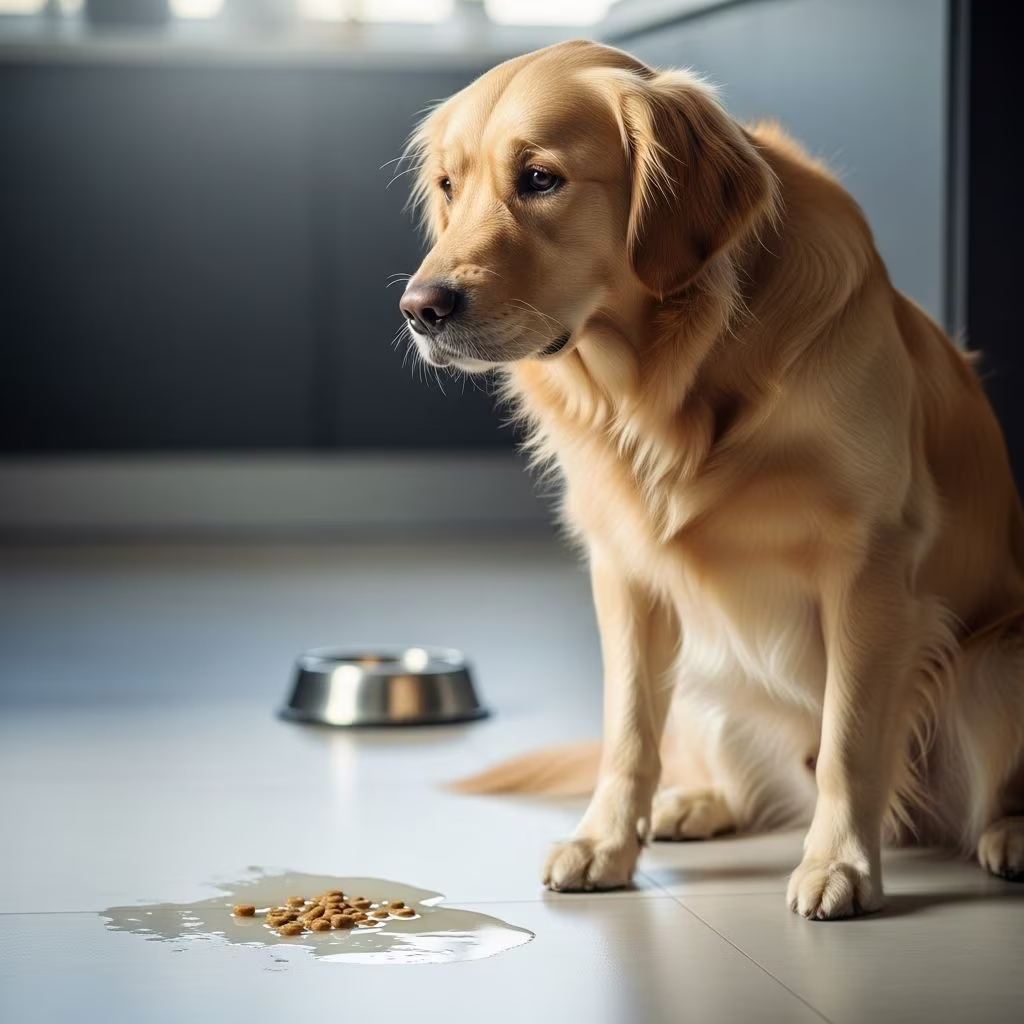
Dogs vomiting shortly after eating is a frequent concern for pet owners, often signaling digestive upset ranging from minor dietary mishaps to underlying medical issues. Understanding the distinction between harmless incidents and serious conditions can help you respond appropriately, potentially preventing escalation.
Understanding Vomiting vs. Regurgitation in Dogs
Vomiting involves active abdominal contractions to expel stomach contents, typically partially digested food mixed with bile or foam. In contrast, regurgitation is passive, where undigested food emerges without effort, often right after meals due to overeating or esophageal problems. Recognizing these differences aids in pinpointing causes: vomiting suggests stomach irritation, while regurgitation may indicate issues like megaesophagus.
Everyday Triggers for Post-Meal Vomiting
Many cases stem from benign habits. Dogs that gulp food too rapidly overwhelm their stomachs, leading to expulsion as a protective reflex. Overfeeding exacerbates this, stretching the stomach beyond capacity. Scavenging behaviors, termed dietary indiscretion, where dogs consume garbage, grass, or toxic scraps like chocolate or grapes, provoke immediate gastric distress.
- Rapid eating: Common in competitive multi-dog homes or excited eaters.
- Portion overload: Exceeding recommended amounts causes distension.
- Foraged items: Spoiled food or indigestible objects irritate the gut lining.
Food-Related Sensitivities and Allergies
Sensitive stomachs react to specific ingredients, with proteins like beef or chicken, dairy, or grains triggering inflammation shortly after ingestion. Allergies manifest as chronic vomiting paired with itching, ear issues, or diarrhea, necessitating diet trials under veterinary guidance. Abrupt food switches without transition periods disrupt gut flora, mimicking intolerance symptoms.
Serious Medical Causes Behind the Problem
Beyond diet, infections play a major role. Bacterial invaders like Salmonella from contaminated sources or viral threats such as parvovirus inflame the intestines, causing acute vomiting. Parasites including roundworms or giardia, prevalent in puppies and immunocompromised dogs, erode the gut lining.
Structural blockages from swallowed toys, bones, or socks halt digestion, resulting in persistent vomiting with abdominal pain. Systemic diseases like pancreatitis from fatty meals, kidney failure, or liver issues lead to recurrent episodes alongside lethargy and thirst changes. Life-threatening emergencies include gastric dilatation-volvulus (GDV or bloat), heatstroke, or toxin ingestion, demanding instant intervention.
| Condition | Key Symptoms | Urgency Level |
|---|---|---|
| Blockage | Repeated unproductive vomiting, pain, no appetite | High – Emergency |
| Pancreatitis | Vomiting, hunched posture, fever | High |
| Parvovirus | Bloody vomit/diarrhea, weakness | Critical |
| Dietary Indiscretion | One-off vomit, normal behavior after | Low |
Decoding Vomit Appearance for Clues
Vomit color and consistency offer diagnostic hints. Yellow bile indicates empty stomach irritation, common overnight. Bright red blood signals upper GI bleeding from ulcers or trauma. Dark, coffee-ground material suggests digested blood from deeper sources. Foamy white vomit points to bloat. Brown hues may reflect chocolate toxicity or fecal matter.
- Undigested food: Recent meal, likely overeating.
- Bile/foam: Bilious vomiting syndrome or gastritis.
- Blood-tinged: Seek vet care promptly.
Recognizing When It’s Time for Veterinary Help
Isolated vomiting with quick recovery and appetite return often resolves without intervention. Monitor for red flags: multiple episodes in 24 hours, blood, diarrhea, weakness, dehydration (skin tenting, dry gums), fever, or pain. Puppies, seniors, or those with pre-existing conditions warrant faster checks. Chronic patterns signal deeper issues like cancer or organ failure.
Home Management Strategies for Mild Cases
Withhold food for 12-24 hours to rest the stomach, providing ice chips or small water sips to combat dehydration. Reintroduce bland diets: boiled chicken/rice or prescription gastrointestinal formulas in tiny, frequent portions. Elevate bowls or use slow-feeder puzzles curb gulping. Probiotics support gut recovery post-upset.
- Fast briefly but never deny water.
- Offer 1/4 normal portions of bland food every 4-6 hours.
- Gradually transition to regular diet over 3-5 days.
Preventive Measures for Long-Term Gut Health
Consistent feeding schedules with measured portions prevent overload. Select high-quality, allergen-free kibble matching your dog’s needs; rotate proteins cautiously. Regular deworming and vaccinations shield against parasites and viruses. Secure trash, toxic plants, and human foods. Annual check-ups catch brewing issues early.
For breeds prone to bloat like deep-chested giants (Great Danes), feed from elevated bowls and avoid exercise post-meals. Weight management reduces pancreatitis risk.
Diagnostic Approaches at the Vet Clinic
Vets start with history and physical exams, followed by bloodwork for organ function, fecal tests for parasites, and imaging like X-rays or ultrasounds for obstructions. Endoscopy visualizes gut linings in persistent cases. Treatment varies: fluids for hydration, anti-nausea meds, surgery for blockages.
FAQs on Dog Vomiting After Eating
Is it normal for dogs to vomit occasionally after meals?
Occasional episodes from fast eating or mild indiscretion are common and self-resolve, but patterns require investigation.
What home remedies help a vomiting dog?
Bland diets, fasting, and hydration work for mild cases; consult vets first.
How do I stop my dog from eating too fast?
Slow feeders, puzzle toys, or divided meals slow intake effectively.
Can stress cause vomiting in dogs?
Yes, anxiety triggers gastroenteritis alongside diarrhea.
When is vomiting an emergency?
Blood, lethargy, bloating, or multiple unproductive attempts signal urgency.
This comprehensive guide empowers owners to safeguard canine digestive wellness through awareness and proactive steps.
References
- Dog Vomiting: Causes, Treatment, and Related Symptoms — WebMD. 2023. https://www.webmd.com/pets/dogs/vomiting-dogs-causes-treatment
- 5 Common Reasons for Dog Vomiting — Dundee Veterinary Clinic. 2024. https://dundeevetclinic.com/blog/reasons-for-dog-vomiting/
- My Pet Vomits After Eating — Greencross Vets. 2023. https://www.greencrossvets.com.au/pet-library/articles-of-interest/my-pet-vomits-after-eating/
- Vomiting in Dogs – When to Head to The Vet — Pacific Santa Cruz Vet. 2024-05-15. https://www.pacificsantacruzvet.com/site/blog/2024/05/15/dog-vomiting
- Vomiting and Diarrhoea in Dogs — Blue Cross. 2024. https://www.bluecross.org.uk/advice/dog/health-and-injuries/vomiting-and-diarrhoea-in-dogs
- Vomiting in Dogs — PDSA. 2024. https://www.pdsa.org.uk/pet-help-and-advice/pet-health-hub/symptoms/vomiting-in-dogs



