

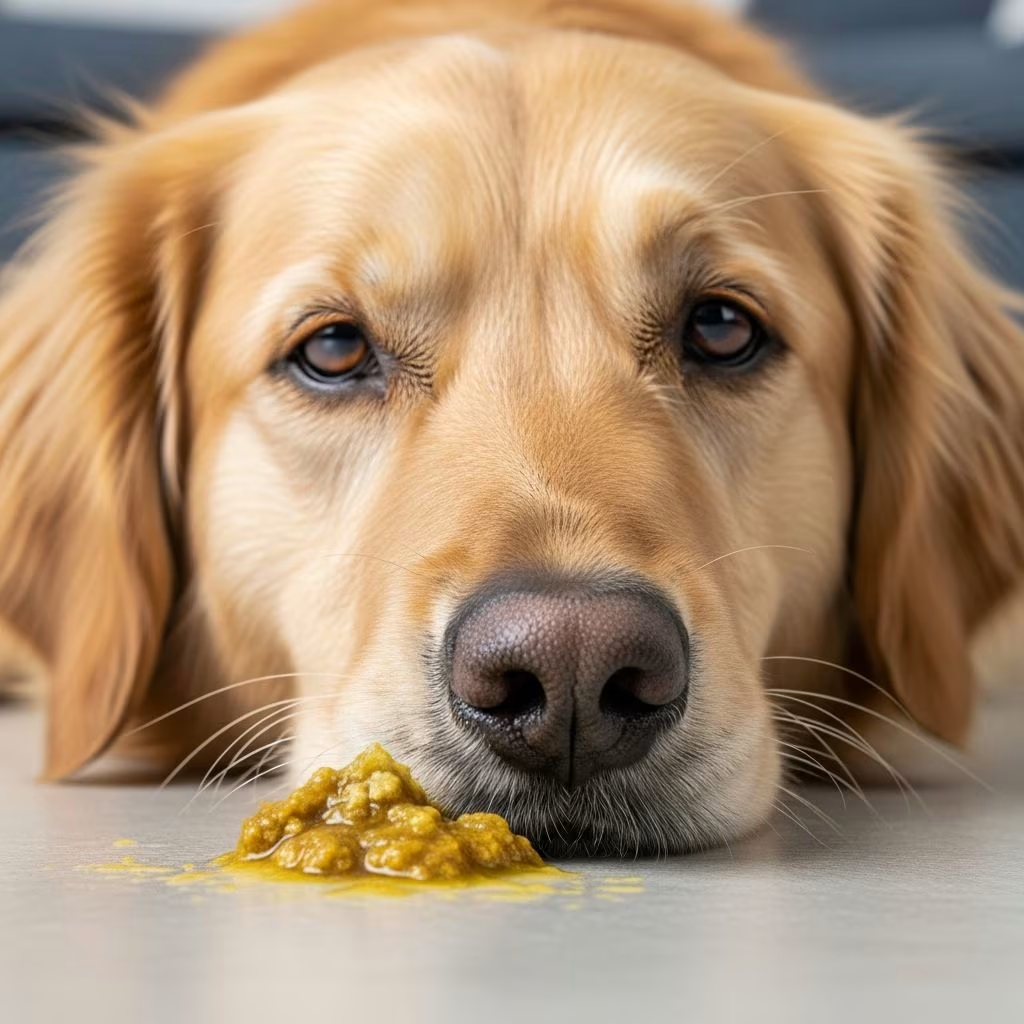
When your dog’s vomit carries the unmistakable stench of feces, it signals potential trouble in their digestive system. This condition, known as faecaloid vomiting, often points to issues ranging from minor dietary slip-ups to life-threatening blockages that demand immediate veterinary attention.
Understanding the Fecal Odor in Dog Vomit
The digestive tract processes food through the stomach and intestines, where bacteria break it down. Normally, waste moves forward to be expelled as stool. However, when contents back up into the stomach, vomit can take on a fecal smell due to stagnant material from lower in the gut. This differs from typical acidic vomit, which smells sour from stomach acids alone.
Several mechanisms contribute to this odor:
- Reverse peristalsis: Powerful vomiting forces intestinal contents upward, mixing feces-like material into the stomach.
- Bacterial fermentation: Imbalanced gut flora produces sulfur-rich gases mimicking fecal smells.
- Obstruction buildup: Blockages trap waste, allowing fermentation and odor intensification.
Common Triggers Behind the Smell
Dogs encounter various factors leading to this symptom. Identifying the trigger helps determine urgency.
Dietary Indiscretions and Gut Upsets
The most frequent cause is garbage gut, where dogs scavenge inappropriate items like spoiled food, grass, toys, or even feces from other animals. This irritates the GI tract, causing vomiting with undigested, odorous remnants. High-protein diets heavy in red meat or dairy can ferment in the gut, producing sulfur compounds with a poop-like aroma. Sudden food changes or allergies exacerbate this, leading to intolerance reactions.
Infections, Parasites, and Microbial Imbalances
Pathogens disrupt normal digestion. Parasites like giardia or worms cause malabsorption, resulting in foul-smelling vomit or stool. Bacterial overgrowth, such as from Clostridioides difficile, ferments food prematurely higher in the tract, altering vomit odor. Viral infections or contaminated water sources compound these risks.
Intestinal Obstructions: A Critical Concern
Faecaloid vomiting strongly indicates an intestinal obstruction, where foreign objects like socks, bones, or toys block passage. This prevents normal flow, causing backup and fecal-scented vomit. Symptoms include repeated retching, unproductive heaving, and abdominal pain. Unlike simple vomiting, this is a surgical emergency if untreated.
| Vomit Type | Appearance/Smell | Common Causes | Urgency Level |
|---|---|---|---|
| Clear/White Foam | Frothy, no odor | Empty stomach, gastritis, kennel cough | Low to moderate |
| Yellow/Green Bile | Bitter, grassy | Reflux, grass eating, gallbladder issues | Moderate |
| Brown/Fecal-Smelling | Coffee grounds or poop odor | Obstruction, bleed, indigestion | High – Emergency |
| Red/Bloody | Fresh blood | Ulcers, toxins, trauma | Emergency |
Recognizing Accompanying Danger Signs
Isolated incidents might resolve, but clusters of symptoms elevate concern:
- Lethargy or weakness
- Diarrhea, especially greasy or bloody
- Loss of appetite or weight
- Abdominal bloating or pain (hunched posture)
- Dehydration signs: dry gums, sunken eyes
- Fever or shaking
If vomit smells like feces and your dog can’t keep water down after 12 hours, or shows distress, seek emergency care.
Diagnostic Approaches by Veterinarians
Vets start with a thorough history: recent diet, scavenging, or exposures. Physical exams check for pain or masses. Key tests include:
- Bloodwork: Assesses dehydration, infection, organ function.
- Fecal analysis: Detects parasites like giardia or worms.
- Imaging: X-rays or ultrasound reveal blockages.
- Endoscopy: Visualizes GI tract for inflammation or foreign bodies.
Early diagnosis prevents complications like perforation or sepsis.
Treatment Strategies for Recovery
Tailored to the cause:
- Supportive care: Withhold food/water 12-24 hours, then reintroduce bland diet (boiled chicken/rice).
- Medications: Anti-nausea (e.g., maropitant), antibiotics for infections, dewormers.
- Surgery: For obstructions, removing the blockage.
- Probiotics: Restore gut balance post-upset.
Monitor closely; recurrence warrants follow-up.
Prevention Tips to Avoid Future Episodes
Proactive steps safeguard digestion:
- Feed consistent, high-quality diet; transition slowly over 7-10 days.
- Prevent scavenging: secure trash, supervise walks.
- Regular deworming and fecal checks, especially for puppies/outdoor dogs.
- Avoid table scraps, fatty foods, or human items.
- Annual vet checkups with parasite preventives.
Training discourages coprophagia (poop-eating), often behavioral.
Home Monitoring and When to Act Fast
Track episodes: frequency, volume, triggers. Use a journal for vet discussions. Fast action on fecal-smelling vomit prevents escalation—intestinal issues can turn deadly quickly.
FAQs on Dog Vomit Smelling Like Feces
Is fecal-smelling vomit always an emergency?
Not always, but it’s a red flag for obstruction. If with lethargy or no improvement in 12 hours, yes.
Can diet alone cause this smell?
Yes, high-sulfur foods or indiscretion can ferment and mimic feces.
How do I clean up safely?
Wear gloves, use pet-safe disinfectants, ventilate. Dispose hygienically to avoid parasite spread.
Does age affect risk?
Puppies and seniors are prone due to immature/weakened systems.
Can parasites cause repeated episodes?
Absolutely; giardia often leads to chronic foul vomits.
References
- When Your Dog’s Vomit Smells Like Poop: Decoding the Digestive Mystery — Ore Ate AI Blog. 2024. https://www.oreateai.com/blog/when-your-dogs-vomit-smells-like-poop-decoding-the-digestive-mystery/8b87eede725b49b6011cf92126ded449
- My Dog Just Vomited & It Smells Like Feces — Healthy Pawsibilities. 2023-10-15. https://healthypawsibilities.com/my-dog-just-vomitted-and-it-smells-like-feces/
- Dog Vomiting: Causes, Types, Colors, Treatment & When to Worry — Tela Vets. 2025-01-20. https://www.telavets.com/blog/dog-vomiting
- Faecaloid Vomiting: Causes, Diagnosis and Treatment — Vets and Clinics (Zoetis). 2024. https://www.vetsandclinics.com/en/library/faecaloid-vomiting-causes-diagnosis-and-treatment
- Everything You Need to Know About Vomiting in Dogs — Vetster. 2024-11-05. https://vetster.com/en/wellness/everything-you-need-to-know-about-vomiting-in-dogs



