

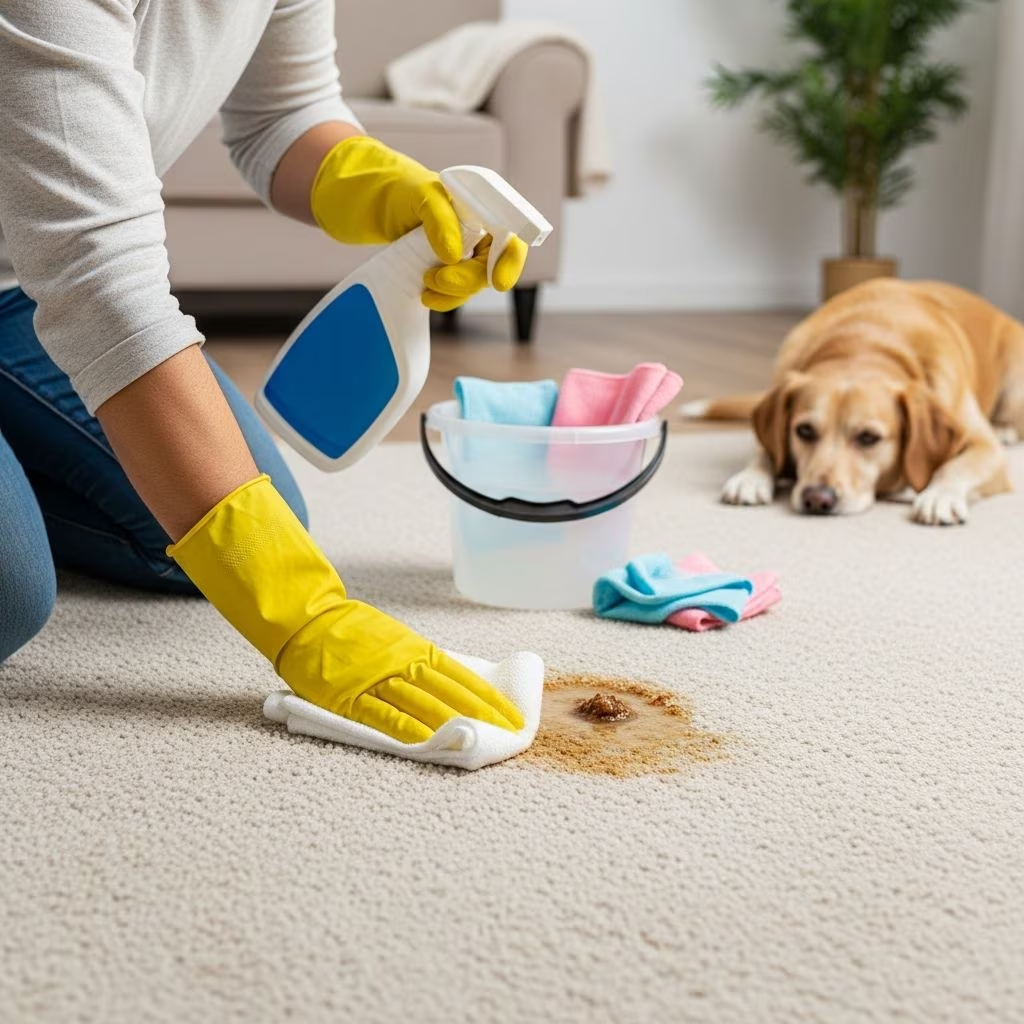
Pet accidents happen, and one of the most challenging situations any dog owner faces is discovering vomit on their carpet. Whether your dog ate something questionable or is dealing with an upset stomach, the mess requires prompt attention to prevent permanent staining and odor problems. The good news is that with the right approach and materials, you can restore your carpet to its original condition. This comprehensive guide walks you through every step of the process, from initial assessment to final deodorization.
Understanding Why Quick Action Matters
The moment your dog vomits on carpet, the clock starts ticking. Fresh vomit is significantly easier to remove than material that has begun to set into the fibers. When vomit remains on carpet for extended periods, the acidic and enzymatic components break down carpet fibers and can penetrate the padding underneath, making removal exponentially more difficult. Additionally, the longer vomit sits, the more likely it is to create permanent discoloration and lingering odors that permeate your home.
Understanding the composition of dog vomit helps explain why certain cleaning methods work better than others. Dog vomit typically contains stomach acid, undigested food particles, and various organic compounds that bond with carpet fibers at a molecular level. This is why simple water and soap often fail to completely address both the stain and the smell. Strategic use of enzymatic cleaners and acidic solutions can break these bonds and neutralize the problem effectively.
The Initial Response: What to Do First
Your first instinct might be to rush in with a cloth and start wiping, but resist that urge. The initial cleanup phase requires a methodical approach that prevents the mess from spreading deeper into carpet fibers and the underlying padding.
Step One: Safety and Solid Waste Removal
Before touching anything, put on disposable gloves to protect yourself from bacteria and potential pathogens. Using a spoon, spatula, paper plate, or even a piece of cardboard, carefully scoop up all solid material from the vomit. Work methodically from the outer edges of the mess toward the center, depositing the material into a disposable bag. This initial removal typically eliminates 50-70% of the total mess, setting the stage for the remaining cleaning steps.
Step Two: Blotting, Not Rubbing
This step cannot be overstated: blot, do not rub. Rubbing vomit into carpet fibers pushes the material deeper into the pile and into the padding below, making complete removal nearly impossible. Use clean paper towels or absorbent microfiber cloths and press firmly onto the affected area. Work your way from the outer edges toward the center to contain the stain. Change to fresh towels frequently as they become saturated with moisture.
Step Three: Liquid Extraction
After blotting, apply cold water or soda water to the area and blot again to remove additional moisture and residual vomit particles. Cold water is preferable to hot water because heat can set protein-based stains permanently into carpet fibers. Some people prefer soda water because the carbonation helps lift remaining particles from the carpet.
Chemical Solutions for Fresh Vomit Stains
Once you have removed the bulk of the vomit, several proven cleaning solutions can address the remaining stain and odor.
The Vinegar and Water Solution
One of the most effective and budget-friendly options is a simple vinegar and water mixture. Mix one part white vinegar with two parts cold water and place it in a spray bottle. Before applying this solution to your carpet, test it on an inconspicuous area to ensure it does not cause discoloration or damage. Once you have confirmed it is safe for your specific carpet type, liberally spray the affected area and allow it to soak for several minutes. The acidity of the vinegar neutralizes odors and helps break down organic matter. Blot thoroughly with clean cloths, repeating the process as needed until the stain fades.
Enzymatic Cleaners for Stubborn Issues
Enzymatic cleaners represent the gold standard for pet accident cleanup. These specialized products contain proteins that break down the specific compounds in vomit, addressing both visible stains and microscopic residue that causes persistent odors. Products like Nature’s Miracle Urine Destroyer, Rocco & Roxie Professional Strength Stain and Odor Eliminator, and Bissell Pet Stain & Odor Remover are all formulated with pet-safe enzymes that work effectively without harming your home or family.
To use an enzymatic cleaner, follow the manufacturer’s instructions carefully. Generally, you will apply the product to the affected area and allow it to sit for 15 to 20 minutes. This contact time allows the enzymes to work effectively. After the allotted time, blot up the cleaner thoroughly. The enzymatic action continues working even as the product dries, providing extended cleaning power beyond the initial application.
Hydrogen Peroxide Alternative
If vinegar or enzymatic cleaners are unavailable, diluted hydrogen peroxide offers another option for treating dog vomit stains. This oxidizing agent can break down organic material and help remove discoloration. Always dilute hydrogen peroxide before applying it to carpet, and test it first on a hidden area. Apply it similarly to the vinegar solution—spray, allow time for penetration, and blot thoroughly.
Dish Soap Enhancement
For particularly stubborn stains that resist initial treatment, adding a small amount of mild dish soap to your cleaning solution can improve results. The surfactants in dish soap help lift remaining particles from carpet fibers. Create a mixture by adding just a dash of dish soap to your vinegar and water solution, then apply and blot as previously described.
Handling Dried or Set-In Vomit Stains
If you discover old or dried vomit on your carpet, do not assume the situation is hopeless. Dried vomit simply requires additional effort and sometimes different approaches than fresh accidents.
Softening Dried Material
The first step when dealing with dried vomit is to soften the hardened material. Apply cold water to the area to rehydrate the dried vomit, then allow it to sit for a few minutes. This rehydration makes the material easier to remove without damaging carpet fibers. After softening, use a soft scraper, old credit card, or butter knife to gently lift the dried vomit from the carpet surface. Approach this task with patience—aggressive scraping can damage carpet pile.
Enhanced Cleaning for Set-In Stains
Dried vomit often requires more aggressive treatment than fresh accidents. After removing as much solid material as possible, apply an enzymatic cleaner generously and allow extended sitting time—up to 30 minutes if the stain is particularly stubborn. Some pet owners find that covering the treated area with plastic wrap or a plastic bag helps keep the enzyme product from drying out too quickly, extending its working time.
Baking Soda Treatment
Baking soda is a remarkably effective ingredient for both stain removal and odor elimination. After treating the area with your chosen cleaning solution, sprinkle a generous amount of baking soda directly onto the damp stain. Allow it to sit for 15 to 30 minutes, during which time it will absorb remaining moisture, break down residual odors, and help lift stain particles. Vacuum thoroughly to remove all baking soda residue. For particularly odorous situations, you can repeat this process multiple times.
Treating Vomit on Different Furniture Surfaces
While carpet is the most common problem area, dog vomit can also affect couches, upholstered chairs, and bedding. Each surface requires slightly modified techniques.
Couch and Upholstered Furniture
Begin with the same solid waste removal and blotting steps used for carpet. For waterproof upholstery, create a mixture of warm water and mild dish soap. Dip a clean cloth into this solution and gently blot the affected area—do not rub or scrub. Rinse repeatedly with clean water to remove all soap residue, as leftover soap can attract dirt and create new staining. Blot dry with a fresh cloth. If the odor persists after initial cleaning, sprinkle baking soda across the area, wait 15 to 30 minutes, and vacuum it away.
Bedding and Washable Fabrics
For vomit on sheets or other washable bedding, avoid wiping motions that could push vomit deeper into fibers. Instead, hold the affected section under cold running water from underneath the fabric, allowing gravity to help flush the vomit out. Once you have removed as much material as possible, rinse thoroughly under cold water and then launder the item normally using hot water and a standard detergent. If staining or odor persists, treat the item with an enzyme-based stain remover before washing.
Drying and Final Steps
The drying phase is critical to preventing mold, mildew, and residual odors. After completing your chosen cleaning treatment, allow the carpet to air dry completely before allowing pets and people back into the area.
Accelerating Drying Time
To speed up the drying process, open windows to increase air circulation, turn on ceiling fans, use portable fans directed at the wet area, or run your HVAC system. These strategies help moisture evaporate rather than seeping deeper into carpet padding. Some people place an overturned laundry basket or bowl over the drying area to keep pets and family members from walking on it prematurely. If the area is completely dry by evening, vacuuming can help restore carpet pile.
Repeat Treatment if Necessary
If staining or odor persists after the area has dried completely, the cleaning process may need to be repeated. This is especially common with particularly large messes or situations where vomit has penetrated deep into carpet padding. Do not be discouraged—repeat treatments are often necessary and effective.
Prevention Strategies for Future Incidents
While you cannot always prevent your dog from getting an upset stomach, certain strategies can minimize carpet damage if vomiting does occur.
- Keep enzymatic cleaner and basic supplies readily accessible in your home rather than scrambling to find them during an emergency
- Consider using washable area rugs in spaces where your dog spends time, as these are simpler to clean than wall-to-wall carpet
- Monitor your dog’s diet and eating habits, as many vomiting incidents result from dietary indiscretion
- Watch for signs of illness or digestive upset and address them promptly with your veterinarian
- Maintain regular veterinary checkups to identify underlying health issues before they cause frequent vomiting
- If your dog frequently vomits, work with your veterinarian to identify and address the underlying cause
Frequently Asked Questions
Can I use bleach to clean dog vomit from carpet?
Bleach is not recommended for carpet cleaning, as it can cause discoloration and is harmful if ingested by pets or children. Stick to the recommended solutions: vinegar mixtures, enzymatic cleaners, and hydrogen peroxide.
Why does my carpet still smell after cleaning?
Residual odor typically indicates that vomit has penetrated into carpet padding. This requires treatment with enzymatic cleaners or extended baking soda applications. In severe cases, the affected carpet section may need professional cleaning or replacement if deep padding has been compromised.
How long should I wait before vacuuming?
Wait until the treated area is completely dry before vacuuming, usually overnight or longer depending on humidity and airflow. Vacuuming a damp area can damage your vacuum and distribute moisture deeper into the carpet.
Are commercial pet stain removers worth the investment?
Yes, quality enzymatic cleaners specifically designed for pet stains often outperform household solutions because they contain targeted enzymes that break down the specific compounds in vomit. They represent a worthwhile investment for pet owners who experience frequent accidents.
What if the vomit has permanent discoloration after cleaning?
Some stains cannot be completely removed if they have set for extended periods or if vomit contained dyes from food coloring or medications. In these cases, you may need to accept minor discoloration or consider carpet dyeing or replacement for that area.
References
- How To Clean Dog Dog Vomit from Carpets, Step by Step — Rover.com. 2024. https://www.rover.com/blog/how-to-clean-dog-vomit/
- How to Clean Dog Vomit from the Carpet — NomNomNow. 2024. https://www.nomnomnow.com/learn/article/how-to-clean-dog-vomit-from-the-carpet
- How to Clean Vomit from Carpet — BISSELL. 2024. https://www.bissell.com/en-us/blog/how-to-clean-vomit-from-carpet/
- Pet Vomit – Causes, Cleaning and Treatments — Team Green Clean. 2024. https://www.teamgreenclean.com/blog/pet-vomit-causes-cleaning-and-treatments/



