

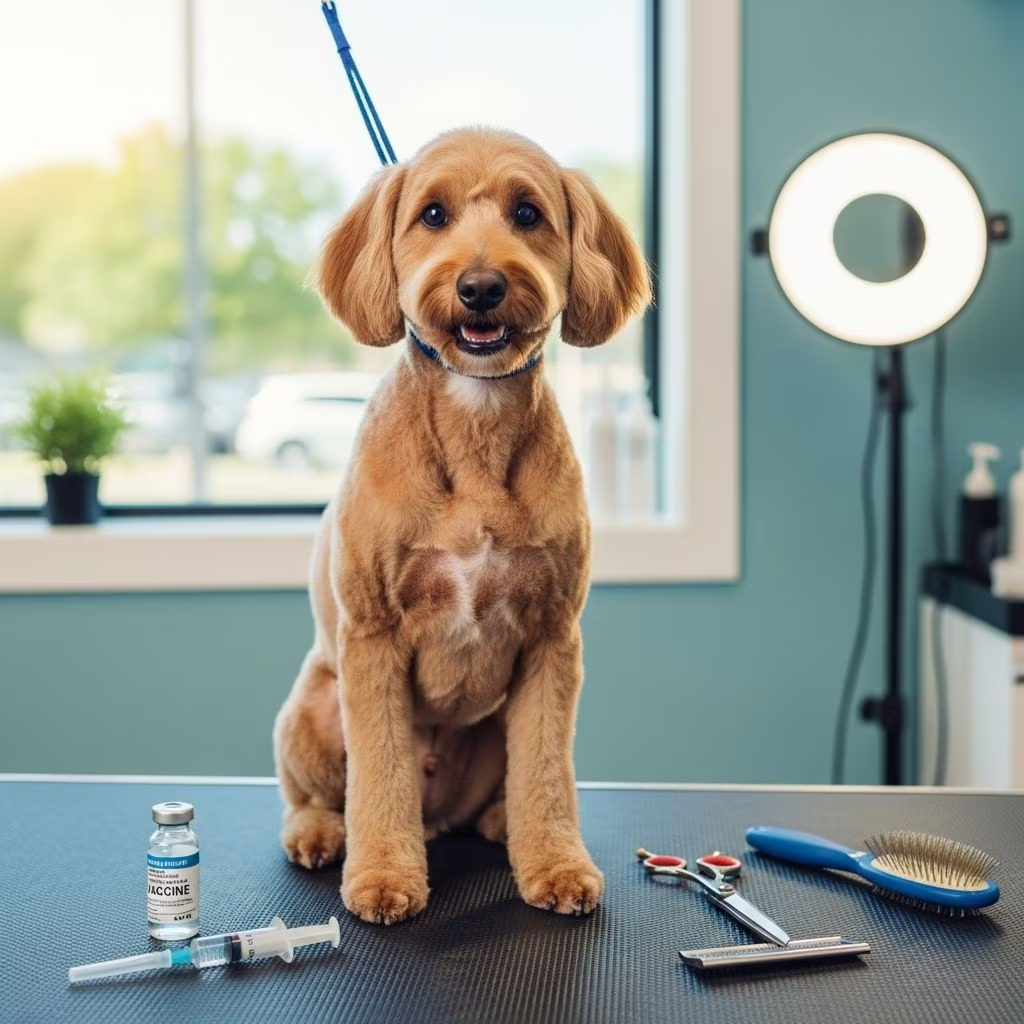
Professional grooming provides vital care for your dog’s coat, skin, and nails, but shared environments demand specific health protections. Core vaccines prevent disease spread among dogs in close contact during appointments.
Why Vaccines Matter in Grooming Settings
Grooming salons host multiple dogs in proximity, creating risks for contagious illnesses like respiratory infections or gastrointestinal viruses. Facilities enforce vaccination policies to safeguard all animals and staff, mirroring requirements for boarding or daycare. Unvaccinated dogs could introduce pathogens, leading to outbreaks that affect vulnerable pets such as puppies or seniors.
Legal mandates also play a role; rabies vaccination is required by law across most U.S. states, ensuring public health alongside pet safety. Facilities typically verify records before services, refusing entry to non-compliant dogs to maintain hygiene standards.
Core Vaccines Every Groomed Dog Needs
Most groomers prioritize a standard set of vaccines, focusing on highly transmissible diseases. These form the baseline for entry, with variations by location or facility policy.
- Rabies: Legally required, this protects against a fatal neurological virus transmissible to humans and animals. Administered every 1-3 years based on local laws and vaccine type.
- DHPP (Distemper, Hepatitis/Parvovirus/Parainfluenza): A combo shot guarding against distemper (multi-system viral attack), hepatitis (liver damage), parvovirus (severe vomiting/diarrhea), and parainfluenza (respiratory contributor). Boosters every 1-3 years per AAHA guidelines.
- Bordetella (Kennel Cough): Targets a bacterial respiratory infection spreading via air in crowded spaces. Often renewed every 6-12 months; intranasal versions provide quicker immunity.
| Vaccine | Protection Against | Frequency | Groomer Requirement |
|---|---|---|---|
| Rabies | Fatal virus (zoonotic) | 1-3 years | Universal/Legal |
| DHPP | Distemper, Parvo, etc. | 1-3 years | Core Standard |
| Bordetella | Kennel Cough | 6-12 months | Nearly Universal |
Optional Vaccines for Higher-Risk Dogs
Beyond essentials, some facilities recommend extras based on regional threats or service types like group play.
- Canine Influenza (CIV): Shields from dog flu, a contagious respiratory illness surging in multi-dog venues. Annual boosters advised.
- Leptospirosis: Bacterial infection from wildlife urine or tainted water, risking organ failure. Relevant in outdoor-access areas.
Titer tests, measuring antibody levels, may substitute proof for some core vaccines, offering an alternative to routine shots for low-risk dogs.
Providing Proof of Vaccinations
Groomers require verifiable records from licensed vets, not just tags. Digital emails or legible copies work best; expect scrutiny for dates and signatures.
- Submit 24-48 hours pre-appointment to allow immunity buildup and rule out reactions.
- Puppies need at least initial DHPP doses plus Bordetella post- series start (often after 8-12 weeks).
- Exemptions for medical reasons need vet documentation; facilities assess case-by-case.
Flea/tick preventives are also standard to block parasite spread via shared tools or baths.
Puppy Grooming and Vaccination Timelines
Young dogs face stricter rules due to immature immunity. Puppies under 16 weeks typically complete 2-3 DHPP rounds (at 6-8, 10-12, 14-16 weeks) before grooming approval. Bordetella follows similarly. Consult your groomer for age minimums and interim options like private sessions.
Risks of Skipping Vaccines Before Grooming
Non-compliance exposes dogs to illnesses thriving in salons: parvovirus survives on surfaces, kennel cough via aerosols. Facilities may deny service, reschedule, or charge fees. Post-exposure, symptoms like coughing or lethargy emerge quickly, requiring vet intervention.
AAHA designates DHPP and rabies as core for all dogs, underscoring their role in communal settings like grooming.
Frequently Asked Questions
What if my dog missed a booster?
Contact your vet for catch-up shots and provide updated records. Most facilities allow grace with proof of appointment.
Are home vaccines accepted?
No; only licensed vet-administered shots count for official records.
How soon after vaccination can grooming occur?
Wait 24-48 hours minimum, longer for first-time or intranasal Bordetella.
Do all groomers require Bordetella?
Nearly all do, due to airborne spread risks, though policies vary slightly.
What about flea treatments?
Year-round preventives are expected to avoid infestations spreading.
Maintaining Year-Round Vaccine Compliance
Schedule annual vet checkups to track boosters. Apps or portals from clinics simplify record sharing. For frequent groomers, align appointments post-vet visits. This proactive approach ensures seamless access to care while prioritizing herd immunity in pet communities.
Understanding these requirements empowers owners to prepare adequately, fostering safer experiences for every dog.
References
- Dog Vaccines Needed for Grooming? What Groomers Require — Golden Paw Pet Services. 2023. https://goldenpawps.com/what-vaccines-do-dogs-need-for-grooming/
- Dog Grooming: Frequency, Itching Relief and Vaccine Essentials — Dr. Ruth Roberts. 2023. https://drruthroberts.com/blogs/pet-blog/dog-grooming-frequency-itching-relief-and-vaccine-essentials
- Does my dog need to be vaccinated and on flea control to go to the groomer? — GeniusVets (Countryside Veterinary Clinic et al.). 2024. https://www.geniusvets.com/pet-care/learn/dogs/dog-grooming/does-my-dog-need-be-vaccinated-and-flea-control-go-groomer
- Vaccines for Dogs: Guide to the Four Core Vaccines — Scenthound. 2024. https://www.scenthound.com/dogblog/vaccines-for-dogs-what-happens-to-your-pup-without-them
- Dog Grooming FAQ: Health & Vaccination Requirements — PetSmart Services. 2024. https://services.petsmart.com/content/grooming-faq



