

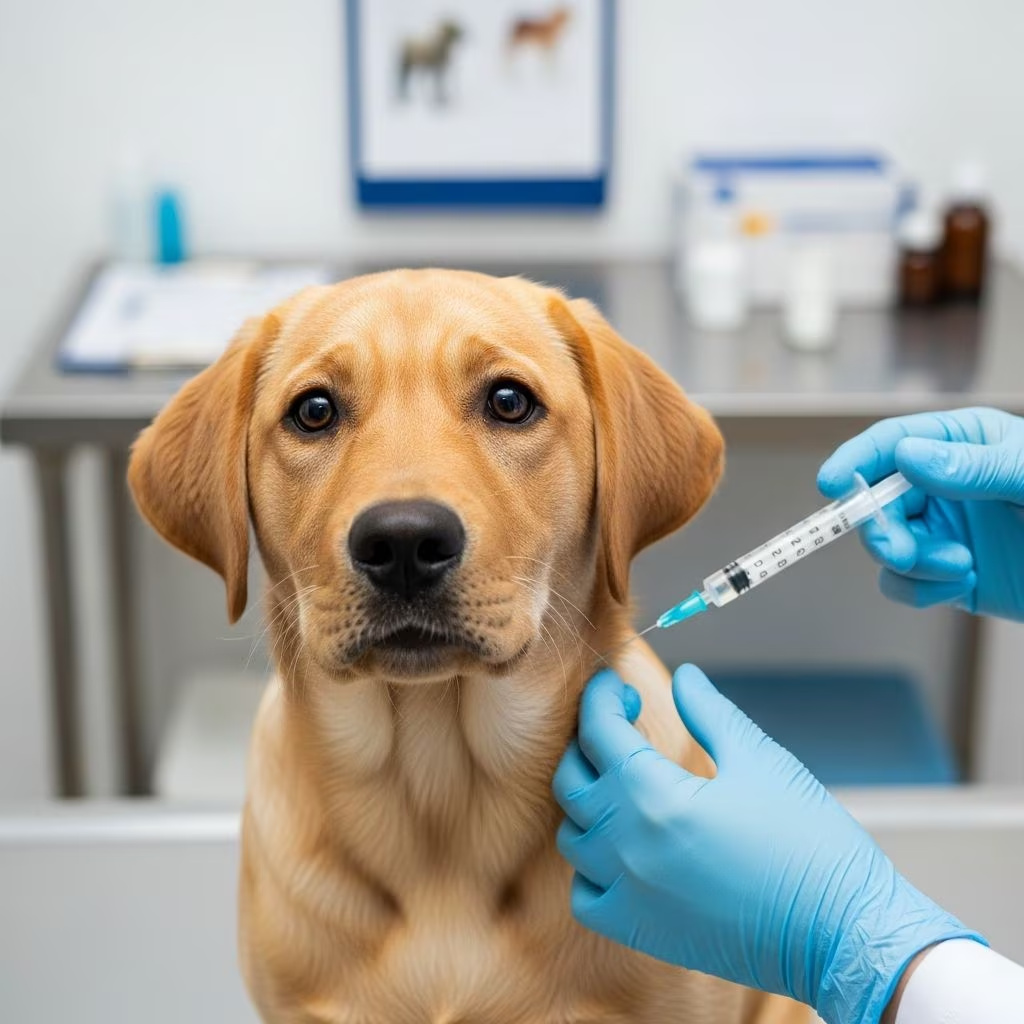
Dog Vaccines: Essential Protection for Your Canine Companion
Vaccines are necessary to reduce illnesses in dogs caused by infectious diseases. They represent one of the most important preventive health measures you can provide for your pet. Continuous improvements are being made in vaccine safety and effectiveness, ensuring that your dog receives the best possible protection against life-threatening diseases. Understanding which vaccines your dog needs, when to administer them, and how they work is essential for responsible pet ownership.
Understanding the Types of Dog Vaccines
There are several different types of vaccines available for dogs, each with distinct characteristics and administration methods. Veterinarians choose specific vaccine types based on your dog’s individual health status, lifestyle, and environmental exposure risks. Let’s explore the main vaccine categories available today.
Live Attenuated Vaccines
Live attenuated vaccines contain weakened versions of the disease-causing organism. These vaccines trigger a strong immune response because the organism, although weakened, is still alive and capable of replicating. This makes them highly effective at stimulating long-lasting immunity. However, they may not be suitable for immunocompromised dogs, as the weakened organism could potentially cause illness in severely compromised immune systems.
Inactivated Vaccines
Inactivated vaccines contain disease-causing organisms that have been killed or inactivated through chemical or physical processes. These vaccines are safer for immunocompromised dogs since they cannot replicate or cause disease. However, they typically require more frequent booster shots to maintain immunity compared to live attenuated vaccines. Many dogs tolerate inactivated vaccines well with minimal side effects.
Subunit and Recombinant Vaccines
Subunit vaccines, also known as recombinant vector or DNA vaccines, represent a more advanced approach to immunization. In these vaccines, the infectious organism has been broken apart, and only certain pieces are included—typically surface proteins or specific antigens. These isolated pieces cannot affect the immune system on their own, so they are packaged with a vector, which is a delivery mechanism that stimulates the immune response. This targeted approach offers excellent safety with minimal side effects while maintaining effectiveness.
Each vaccine type presents different advantages and disadvantages. Your veterinarian will carefully consider your dog’s individual circumstances, including age, health status, lifestyle, and geographic location, when choosing the most appropriate vaccine type for your pet.
Core Vaccines Recommended for All Dogs
Core vaccines are those recommended for all puppies and dogs by the American Animal Hospital Association (AAHA). These vaccines protect against diseases that are widespread, potentially fatal, or pose a significant public health risk. Your veterinarian will ensure your dog receives all recommended core vaccines to establish comprehensive protection against the most serious canine diseases.
The following core vaccines are currently recommended for all puppies and dogs:
- Canine Adenovirus-2 (Hepatitis): Protects against infectious canine hepatitis, a viral disease affecting the liver and other organs
- Canine Distemper Virus: Prevents distemper, a highly contagious and often fatal viral disease affecting multiple body systems
- Canine Parainfluenza Virus: Guards against respiratory disease caused by this highly contagious virus
- Canine Parvovirus: Offers protection against parvovirus, which causes severe gastrointestinal disease and can be life-threatening
- Leptospirosis: Prevents bacterial infection that causes kidney and liver failure and can transmit to humans
- Rabies Virus: Protects against rabies, a fatal neurological disease transmissible to humans
Non-Core Vaccines for Special Circumstances
Non-core vaccines are optional vaccines recommended for puppies and dogs in special circumstances, depending on individual exposure risks and lifestyle factors. Your veterinarian will discuss which non-core vaccines are appropriate based on where your dog lives, how frequently it interacts with other dogs, and its typical environment.
Common non-core vaccines include:
- Bordetella Bronchiseptica (Kennel Cough): Recommended for dogs that board, attend dog parks, or participate in dog shows
- Borrelia Burgdorferi (Lyme Disease): Important for dogs in areas with high tick populations and documented Lyme disease cases
- Canine Influenza: Suggested for dogs attending daycare, boarding facilities, or living in areas with known outbreaks
- Rattlesnake Toxoid: Considered for dogs in regions where rattlesnakes are common
How Vaccines Are Administered to Dogs
The method of vaccine administration significantly affects how effectively the vaccine stimulates the immune system. While some vaccines are administered through non-invasive routes, most require injection to achieve maximum immune stimulation.
Intranasal Administration
Some vaccines, particularly those protecting against respiratory diseases like kennel cough, are administered directly into the nose. This local administration method allows the vaccine to stimulate immunity at the site where the disease typically enters the body. Intranasal vaccines often provide rapid immunity, sometimes within 72 hours.
Injectable Administration
Most vaccines require injection to achieve optimal immune stimulation. These injections can be administered in two ways:
- Subcutaneous Injection: The vaccine is injected just under the skin, typically on the back or neck area
- Intramuscular Injection: The vaccine is injected directly into muscle tissue, usually in the hindquarters or front legs
Combination Vaccines
Vaccines are often available in combinations that protect against multiple diseases and can be given in a single dose. These combination vaccines offer significant convenience and reduce the number of injections your dog must receive. For example, the DAPPV vaccine protects against distemper, adenovirus, parainfluenza, and parvovirus in one injection. Your veterinarian will advise you on which combination vaccines are most appropriate for your dog’s needs.
Vaccination Schedule for Puppies
Establishing proper immunity in puppies requires a carefully planned vaccination schedule. Puppies typically have lower initial immunity levels and require a series of vaccinations to build adequate protection.
Initial Puppy Vaccination Series
Distemper, hepatitis, and parvovirus are generally included in one injection administered multiple times. This vaccine series is typically given at least three times, spaced approximately 3–4 weeks apart. These injections usually begin when the puppy is between 6 and 8 weeks old and continue until the puppy is at or older than 16 weeks of age.
Leptospirosis vaccination may be combined with the above vaccinations in the same injection or given separately in 2 doses spaced about 3–4 weeks apart. The rabies vaccine is often given at 12 to 16 weeks of age or according to local regulations.
Booster Vaccinations
After completing the initial puppy series, your dog will need booster vaccinations to maintain immunity. The specific booster schedule depends on the vaccine type and your dog’s lifestyle.
Vaccine Dosing: Size Doesn’t Matter
A common misconception among dog owners is that smaller dogs require smaller vaccine doses. However, vaccination doses are the same for all dogs, regardless of size. When vaccines are tested and approved, all dogs in the test group receive the same dose, and this dose has proven safe and effective for dogs of all sizes, from tiny Chihuahuas to giant Great Danes.
Smaller doses of vaccine may not adequately protect small dogs from disease. Additionally, there is no evidence that smaller vaccine doses are associated with decreased likelihood of vaccine reactions. Using the standard dose ensures your small dog receives the same level of protection as larger dogs.
Tailoring Vaccines to Your Dog’s Needs
While core vaccines are recommended for all dogs, decisions about specific vaccine types and vaccination schedules require professional veterinary advice. Your veterinarian will consider multiple factors when developing a vaccination plan for your dog:
- Your dog’s age and life stage
- Geographic location and regional disease prevalence
- Lifestyle and environmental exposure risks
- Indoor versus outdoor living situation
- Frequency of contact with other dogs
- Planned activities such as boarding, daycare, or travel
- Overall health status and any pre-existing conditions
Veterinarians routinely recommend certain vaccines for all dogs as standard protection, while recommending others more selectively based on individual risk factors. This personalized approach ensures your dog receives appropriate protection without unnecessary vaccinations.
The Importance of Professional Guidance
While understanding vaccines is important for pet owners, the specific decisions about which vaccines your dog needs and when to administer them should always involve professional veterinary advice. Your veterinarian has access to the most current information about vaccine effectiveness, safety, and recommendations from organizations like the AAHA. They understand your dog’s individual health profile and can make informed recommendations tailored to your pet’s specific needs.
Regular veterinary checkups provide opportunities to discuss your dog’s vaccination status and ensure your pet maintains up-to-date protection against infectious diseases. These visits also allow your veterinarian to assess your dog’s overall health and discuss any concerns about vaccine reactions or other health matters.
Frequently Asked Questions
Q: Are vaccines safe for dogs?
A: Yes, vaccines are safe when administered by a veterinarian. Continuous improvements are being made in vaccine safety and effectiveness. Serious adverse reactions are rare, and the benefits of vaccination far outweigh the minimal risks involved.
Q: Can vaccines cause side effects in dogs?
A: Minor side effects like mild lethargy or soreness at the injection site may occur temporarily. Serious side effects are extremely rare. Your veterinarian can discuss potential reactions and appropriate monitoring after vaccination.
Q: How often does my adult dog need vaccines?
A: This depends on the specific vaccine and your dog’s lifestyle. Core vaccines typically require boosters every 1 to 3 years, while some non-core vaccines need annual boosters. Your veterinarian will establish the appropriate schedule for your dog.
Q: Is rabies vaccination required by law?
A: Rabies vaccination requirements vary by location and local regulations. Many areas require rabies vaccination for all dogs. Check with your local animal control or veterinarian to understand the requirements in your area.
Q: Can I choose which vaccines my dog receives?
A: Core vaccines are strongly recommended for all dogs to ensure protection against serious diseases. Non-core vaccines can be discussed with your veterinarian based on your dog’s individual risk factors and lifestyle.
Q: Why do puppies need multiple vaccine doses?
A: Puppies often have maternal antibodies that can interfere with vaccine effectiveness. Multiple doses given over several weeks ensure adequate immune stimulation once maternal antibodies diminish.
References
- Vaccines for Dogs — VCA Animal Hospitals. 2024. https://vcahospitals.com/know-your-pet/vaccines-for-dogs
- Puppy Vaccine Schedule — VCA Animal Hospitals. 2024. https://vcahospitals.com/pediatric/puppy/health-wellness/puppy-vaccine-schedule
- Puppy Vaccination Needs Into Adulthood — VCA Animal Hospitals. 2024. https://vcahospitals.com/pediatric/puppy/health-wellness/puppy-vaccinations
- Care for Your Pet After Vaccination — VCA Animal Hospitals. 2024. https://vcahospitals.com/know-your-pet/care-for-your-pet-after-vaccination
- American Animal Hospital Association (AAHA) Vaccination Guidelines — AAHA. 2024. https://www.aaha.org



