

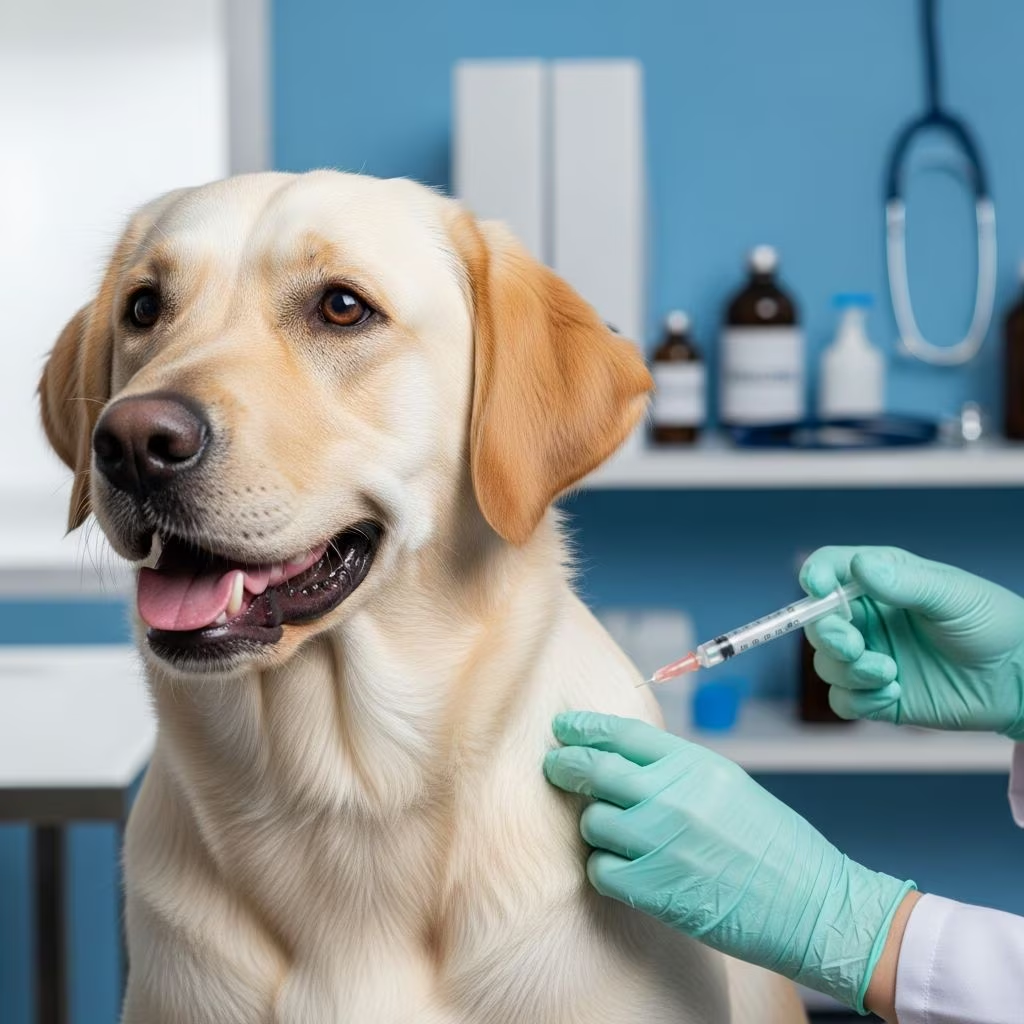
Understanding Dog Vaccinations
Dog vaccinations are one of the most important health decisions you’ll make as a pet owner. Vaccines protect your dog from serious, potentially life-threatening diseases by stimulating their immune system to develop immunity without causing actual illness. Vaccination is not only beneficial for individual dogs but also plays a crucial role in preventing disease transmission within the broader canine community.
Veterinarians recommend vaccinating puppies early and maintaining regular booster schedules throughout your dog’s life. The vaccination process involves introducing a small, harmless amount of a disease-causing organism (or its components) into your dog’s body, allowing their immune system to develop protective antibodies. When your dog later encounters the actual disease, their immune system can quickly recognize and fight it off.
Core Vaccines vs. Non-Core Vaccines
Dog vaccinations are divided into two main categories: core vaccines and non-core (or lifestyle) vaccines. Understanding the difference between these categories helps you make informed decisions about your dog’s health care with your veterinarian.
Core Vaccines
Core vaccines are considered essential for all dogs, regardless of their lifestyle or geographic location. These vaccines protect against diseases that are widespread, highly contagious, and potentially fatal. The core vaccines include:
- Distemper – A serious viral disease that attacks the respiratory, gastrointestinal, and nervous systems, potentially leading to seizures, pneumonia, and death
- Adenovirus (Hepatitis) – A viral infection that affects the liver and other organs
- Parvovirus – A highly contagious and often fatal viral disease, especially in puppies
- Parainfluenza – A respiratory virus that contributes to kennel cough
- Leptospirosis – A bacterial disease that can cause kidney and liver damage
- Rabies – A fatal neurological disease transmissible to humans, required by law in most areas
These vaccines are often combined into single injections for convenience. The most common combination is the DHPP vaccine (sometimes called DA2PP or DAPP), which protects against distemper, adenovirus, parvovirus, and parainfluenza.
Non-Core Vaccines
Non-core vaccines, also called lifestyle or optional vaccines, are recommended based on your dog’s individual risk factors, geographic location, and lifestyle. These include:
- Bordetella bronchiseptica – Protects against kennel cough, recommended for dogs in boarding facilities or dog parks
- Canine influenza – Protects against dog flu, recommended for dogs with high social exposure
- Lyme disease – Recommended for dogs in tick-endemic regions like New England
- Coronavirus – Protects against canine coronavirus
Your veterinarian can help determine which non-core vaccines are appropriate for your dog based on their specific circumstances.
Puppy Vaccination Schedule
Establishing a proper vaccination schedule during puppyhood is critical for developing lifelong immunity. Puppies receive a series of vaccines starting early and continuing at regular intervals to ensure complete protection as their maternal antibodies fade.
Initial Vaccination Timeline
Puppies typically begin their vaccination series between 6 and 8 weeks of age. For puppy vaccines to provide necessary protection, they’re given every two to four weeks until a puppy is at least 16 weeks old. Here’s what a typical puppy vaccination schedule looks like:
| Age | Core Vaccines | Non-Core Vaccines |
|---|---|---|
| 6-8 weeks | DAP (Distemper, Adenovirus, Parvovirus) | Bordetella (if recommended) |
| 10-12 weeks | DHLPP (includes Leptospirosis) | Lyme disease, Canine influenza |
| 14-16 weeks | DHLPP booster, Rabies vaccine | Lyme disease, Canine influenza boosters |
| 6 months | Additional vaccine if needed | Non-core vaccines if recommended |
Why Multiple Doses Matter
Puppies receive multiple vaccine doses because their immune systems are still developing. Maternal antibodies (antibodies passed from the mother through nursing) can interfere with vaccine effectiveness, so repeated doses ensure at least one vaccination occurs after these maternal antibodies have diminished. Veterinarians typically prefer administering the final DHLPP vaccine at 16 weeks or later to maximize protection.
Adult Dog Vaccination Schedule
Once your puppy has completed their initial vaccination series, vaccination requirements change. Adult dogs require boosters at different intervals depending on the vaccine type and your veterinarian’s recommendations.
Annual Booster Vaccines
Some core vaccines require annual boosters to maintain immunity. These include the initial rabies vaccine (though subsequent boosters may extend to three years) and leptospirosis vaccines. Leptospirosis requires annual revaccination because immunity wanes more quickly with this vaccine, and multiple leptospiral serovars exist, requiring ongoing protection.
Three-Year Booster Vaccines
After the initial booster given one year following the puppy series, many core vaccines only require revaccination every three years. This includes:
- Distemper, adenovirus, and parvovirus (DA2PP or DHPP)
- Rabies vaccine (in most states, using vaccines labeled for three-year protection)
Using vaccines specifically approved for three-year administration helps ensure optimal protection intervals.
Non-Core Vaccine Boosters
Non-core vaccine booster schedules depend on the specific vaccine. Bordetella vaccines may require boosters every 6 to 12 months, particularly for dogs with ongoing exposure in boarding facilities or dog parks. Lyme disease and canine influenza vaccines typically require annual boosters for continued protection.
Rabies Vaccination Requirements
Rabies vaccination deserves special attention because it’s required by law in most areas and represents a critical public health measure. Rabies is a fatal disease transmissible to humans, making vaccination non-negotiable for dog owners.
Puppy Rabies Vaccination
Puppies typically receive their first rabies vaccine between 12 and 16 weeks of age, depending on local regulations. Some municipalities require vaccination as early as 12 weeks, while others allow vaccination up to 16 weeks.
Booster Schedule
After the initial rabies vaccination, puppies require a booster one year later. Subsequently, rabies boosters are typically given every three years using vaccines approved for three-year administration, though some jurisdictions may still require annual boosters. Always check your local regulations, as rabies vaccination requirements vary by location.
Leptospirosis Vaccination Considerations
Leptospirosis vaccination warrants specific discussion because it differs from other core vaccines in important ways. Multiple leptospiral serovars can cause disease in dogs, and minimal cross-protection exists between different serovars. Currently available vaccines don’t contain all serovars, making annual revaccination necessary to maintain protection.
The initial leptospirosis vaccination should be followed by a booster 3-4 weeks later. Vaccines containing four leptospiral serovars (Grippotyphosa, Pomona, Canicola, and Icterohaemorrhagiae) are recommended. Annual vaccination of all dogs with these vaccines means all dogs should be evaluated annually by a veterinarian and vaccinated for leptospirosis.
Special Circumstances and Vaccine Titers
Some veterinarians offer titer testing to measure antibody levels before revaccinating. A titer test determines whether your dog still has sufficient antibodies from previous vaccinations, potentially reducing the need for unnecessary boosters. This approach can be particularly useful for senior dogs or those with known vaccine sensitivities.
Special circumstances that might warrant modified vaccination protocols include dogs with known vaccine sensitivities, immunocompromised dogs, or those with certain health conditions. Always discuss your dog’s individual health situation with your veterinarian to develop an appropriate vaccination plan.
Vaccination Frequency and Duration
| Vaccine Type | Frequency | Duration of Immunity |
|---|---|---|
| DHPP (Core) | Every 3 years (after initial series) | 3 years |
| Rabies (Core) | Every 1-3 years depending on vaccine | 1-3 years |
| Leptospirosis (Core) | Annually | 12 months |
| Bordetella (Non-core) | Every 6-12 months | 6-12 months |
| Lyme Disease (Non-core) | Annually | 12 months |
| Canine Influenza (Non-core) | Annually | 12 months |
Vaccine Types and Technologies
Modern dog vaccines utilize different technologies to provide protection. Understanding these technologies helps you have informed discussions with your veterinarian.
Modified-Live Virus (MLV) Vaccines
These vaccines contain weakened versions of the disease-causing virus that can replicate in your dog’s body but don’t cause actual illness. MLV vaccines typically provide strong, long-lasting immunity often with fewer doses required.
Inactivated Vaccines
Inactivated vaccines contain killed versions of the disease-causing organism and cannot replicate in your dog’s body. These vaccines are considered safer for immunocompromised dogs but typically require multiple doses to build immunity, with doses administered 2-4 weeks apart.
Recombinant Vaccines
These newer vaccines use genetic engineering to create specific disease-fighting components without using the actual virus. Recombinant vaccines offer targeted protection with potentially fewer side effects.
Frequently Asked Questions
Q: At what age should I start vaccinating my puppy?
A: Puppies typically begin their vaccination series between 6 and 8 weeks of age. This timing is optimal because it occurs after passive immunity from the mother begins to decline but while the puppy’s immune system is developing capacity to respond to vaccines.
Q: How often does my adult dog need vaccinations?
A: Most core vaccines require booster shots every 3 years after the initial puppy series and first-year booster. However, leptospirosis and some non-core vaccines may require annual boosters. Your veterinarian can recommend a schedule tailored to your dog’s specific needs.
Q: Is the rabies vaccine really necessary?
A: Yes, rabies vaccination is not only necessary but required by law in most areas. Rabies is a fatal disease transmissible to humans, making vaccination a critical public health measure and legal requirement for responsible dog ownership.
Q: What are non-core vaccines, and does my dog need them?
A: Non-core vaccines protect against diseases that pose risks based on lifestyle, geography, or exposure. They include vaccines for Bordetella (kennel cough), canine influenza, and Lyme disease. Your veterinarian can recommend which non-core vaccines suit your dog’s individual circumstances.
Q: Can I vaccinate my dog less frequently using titer testing?
A: Some veterinarians offer titer testing to measure antibody levels, potentially reducing revaccination frequency. Discuss this option with your veterinarian to determine if it’s appropriate for your dog’s health situation.
Q: Are there risks or side effects from dog vaccines?
A: Most dogs tolerate vaccines well. Minor side effects like mild swelling at injection sites or temporary lethargy are uncommon but possible. Serious adverse reactions are rare. The benefits of vaccination far outweigh the minimal risks, particularly considering the severity of diseases vaccines prevent.
Q: How should I prepare my dog for their vaccination appointment?
A: Ensure your dog has eaten and has access to water before the appointment. Bring any medical records from previous veterinarians. Discuss any health concerns with your vet, including current medications or previous vaccine reactions. Plan to observe your dog for the remainder of the day post-vaccination.
References
- Puppy and Dog Vaccinations: A Schedule for Every Life Stage — PetMD. 2024. https://www.petmd.com/dog/care/dog-vaccinations-for-every-lifestage
- 2022 AAHA Canine Vaccination Guidelines — American Animal Hospital Association. 2022. https://www.aaha.org/resources/2022-aaha-canine-vaccination-guidelines/
- Vaccination Guidelines for Dogs and Cats — UC Davis School of Veterinary Medicine. 2024. https://healthtopics.vetmed.ucdavis.edu/health-topics/feline/vaccination-guidelines-dogs-and-cats
- What Shots Do Dogs Need? A Complete Guide to Dog Vaccine Schedules — Hidden Springs Animal Hospital. 2024. https://hiddenspringsanimal.com/pet-vaccines-in-boise-id/what-shots-do-dogs-need-a-complete-guide-to-dog-vaccine-schedules/
- 2024 Guidelines for the Vaccination of Dogs and Cats — World Small Animal Veterinary Association. 2024. https://wsava.org/wp-content/uploads/2024/04/WSAVA-Vaccination-guidelines-2024.pdf
- A Complete Guide to Canine Vaccinations: Why They Matter — Metro Vet Clinic. 2024. https://metrovetclinic.com/resources/canine-vaccinations/



