

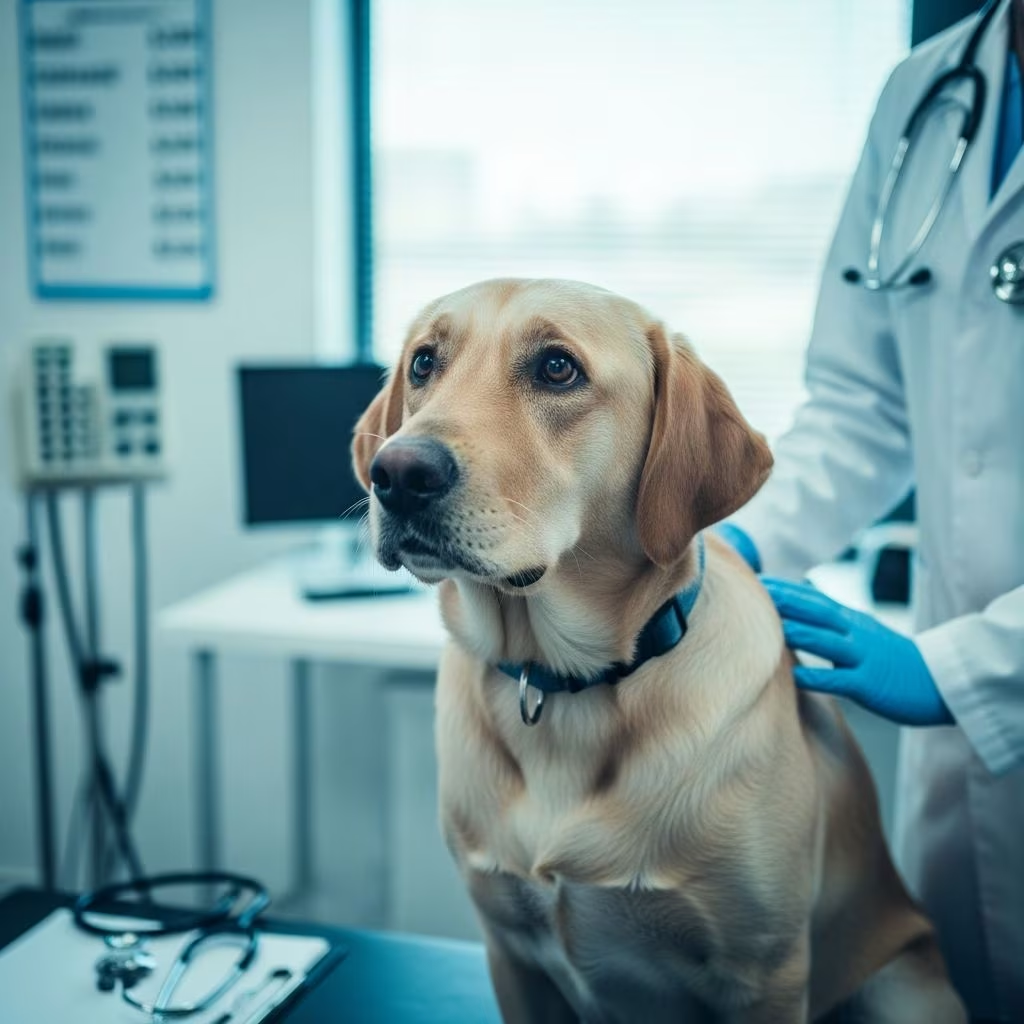
Urinary tract infections affect dogs of all ages and breeds, leading to discomfort and potential complications if untreated. In 2026, pet owners face varying expenses for diagnosis and care, typically ranging from $150 to $500 for straightforward cases, with higher costs for complex scenarios involving surgery.
Recognizing UTI Symptoms in Dogs
Dogs with UTIs often show signs like frequent urination attempts, blood in urine, straining, or accidents indoors. These symptoms prompt a vet visit, where initial assessments begin the cost accumulation. Early detection prevents escalation to kidney issues, emphasizing prompt action.
Initial Veterinary Examination Fees
The first step involves a physical exam, costing $30 to $150 depending on location and clinic type. General practices charge less than emergency or specialty centers. Regional differences are notable:
| Region | General Exam | Emergency Exam |
|---|---|---|
| Eastern US | $55–$100 | $80–$250 |
| Midwestern US | $30–$90 | $80–$250 |
| Western US | $70–$150 | $100–$300 |
These fees cover history review and basic checks, setting the stage for targeted diagnostics.
Diagnostic Procedures and Their Price Tags
Confirming a UTI requires urine analysis, the cornerstone of diagnosis. Costs break down as follows:
- Urinalysis: $30–$100, involving sterile sample collection via free catch, catheterization, or cystocentesis.
- Urine Culture: $170–$200 when sent to labs for bacterial identification and antibiotic sensitivity.
- X-rays: $150–$200 to detect stones or structural issues.
- Ultrasounds: $200–$500 for detailed bladder and kidney imaging, higher at specialty clinics.
In-house tests range $75–$95, while external labs add time and expense. Variations occur; some clinics charge up to $175 for basic urinalysis.
Medication Expenses for UTI Management
Treatment hinges on antibiotics tailored to the infection, costing $20–$300 per course based on dog size, drug type, and duration. Generic options run $0.39–$3.00 per capsule, with larger dogs needing more.
- Antibiotics: Common choices like amoxicillin or enrofloxacin, 7–14 days typical.
- Pain Relief: NSAIDs at $5–$20 orally or $100–$150 injected for inflammation.
Uncomplicated cases improve quickly, but resistance may necessitate cultures, raising costs.
Regional Cost Variations Across the United States
Treatment averages $365 nationally, from $280–$655, influenced by state economics and clinic rates. Here’s a snapshot:
| State | Average Cost |
|---|---|
| Alabama | $316 |
| California | $468 |
| Hawaii | $562 |
| New York | $394 |
| Texas | $340 |
Higher costs in coastal states reflect urban pricing, while Midwest areas remain more affordable.
Factors Driving Up Total Expenses
Several elements inflate bills:
- Dog Size: Larger breeds require higher medication doses.
- Infection Complexity: Recurrent or resistant UTIs demand advanced tests.
- Clinic Type: Emergency visits double fees.
- Follow-Ups: Re-checks add $50–$150 each.
- Surgery: For stones or blockages, $1,000–$3,000.
Upselling diagnostics, like unnecessary ultrasounds, can surprise owners, as seen in investigations where simple UTI visits escalated.
Preventive Strategies to Minimize Future Costs
Proactive care reduces UTI recurrence:
- Encourage frequent urination and ample water intake.
- Maintain hygiene, especially for females prone to infections.
- Feed urinary health diets to acidify urine.
- Schedule annual check-ups for early detection.
Supplements may support tract health, but consult vets first.
Insurance and Financing Options for Pet Care
Pet insurance covers 70–90% of UTI expenses post-deductible, with premiums $20–$60 monthly. Wellness plans offset routine tests. Financing like CareCredit spreads payments interest-free initially.
Compare policies for UTI-specific coverage, noting exclusions for pre-existing conditions.
When to Seek Emergency Care
Rush to ER for lethargy, vomiting, or no urination—these signal upper tract involvement or blockages, with exams $80–$300 and treatments soaring.
Long-Term Management for Chronic Cases
Some dogs face repeated UTIs due to anatomy or diabetes. Ongoing cultures and meds average $200–$500 yearly. Monitor via home logs of urination patterns.
FAQs
How much does a basic dog UTI treatment cost?
Around $150–$500, covering exam, tests, and antibiotics.
Are dog UTIs more common in certain breeds?
Females and smaller breeds like Shih Tzus are prone due to anatomy.
Can home remedies replace vet care?
No—antibiotics are essential; remedies support but don’t cure.
Does pet insurance cover UTI treatments?
Yes, typically after deductible, reimbursing diagnostics and meds.
How long do antibiotics take to work?
Improvement in days, full course 7–14 days.
References
- What Are the Medication & Vet Costs for a Dog UTI in 2026? — Hepper. 2026. https://articles.hepper.com/medication-vet-costs-for-dog-uti/
- Urinary Tract Infections (UTIs) in Dogs — Pets Best Insurance. 2026. https://www.petsbest.com/blog/urinary-tract-infections-in-dogs
- What Are the Medication & Vet Costs for a Dog UTI? 2026 Price — Dogster. 2026. https://www.dogster.com/dog-health-care/medication-and-vet-costs-for-dog-uti
- Dog UTI Signs, Causes and Treatment Costs Explained — CareCredit. 2026. https://www.carecredit.com/well-u/pet-care/uti-in-dogs/
- Veterinary Clinic Exposed: Shocking Vet Fees for Simple Dog UTI — Veterinary Secrets. 2026. https://veterinarysecrets.com/veterinary-clinic-exposed/
- How Much Does a Vet Visit Cost? Average Pricing By Procedure — CareCredit. 2026. https://www.carecredit.com/vetmed/costs/



