

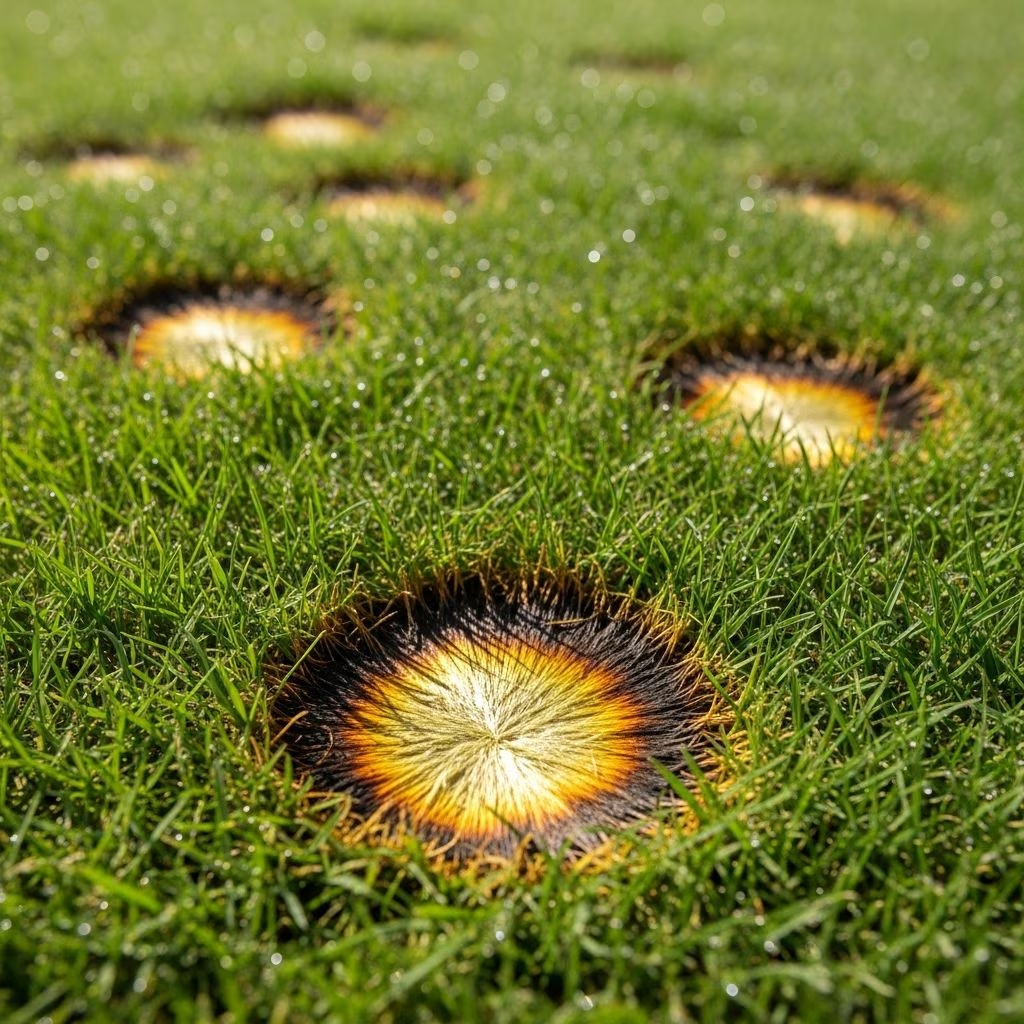
Dog Urine Scalding on Grass: Understanding the Problem
If you’ve noticed unsightly brown patches appearing on your lawn after your dog has relieved itself, you’re not alone. This common lawn problem frustrates pet owners everywhere, but understanding the actual cause of grass scalding can help you address the issue effectively. Contrary to popular belief, the damage isn’t caused by your dog’s urine being too acidic—the real culprit is nitrogen content combined with salts naturally present in canine urine.
When your dog urinates on grass, the high concentration of nitrogen and salts deposited in a small area overwhelms the plant, causing the grass to burn and turn brown. This is a natural and normal bodily function for your dog, but it can certainly wreak havoc on your carefully maintained landscaping. The good news is that with proper understanding and preventative measures, you can protect your lawn while maintaining your dog’s health.
Why Does Dog Urine Kill Grass?
The primary reason dog urine damages grass is straightforward: it contains high concentrations of nitrogen and salts. Nitrogen is an essential nutrient for plant growth, but in excessive amounts, it becomes toxic to grass. Here’s how the process works: when your dog’s body metabolizes proteins from their diet, excess nitrogen is eliminated through urination. As the water in the urine evaporates, it leaves behind a concentrated deposit of nitrogen and salts on the grass.
In some cases, the nitrogen concentration may actually stimulate grass growth, creating dark green spots. However, in most situations, the high concentration of nitrogen causes the grass to dry out and die, resulting in the characteristic brown patches with sometimes green edges where the nitrogen concentration is less intense.
Common Myth: Urine pH Is the Problem
One of the most persistent misconceptions about dog urine and lawn damage is that the problem stems from the acidity of the urine. This is not accurate. The pH of dog urine varies depending on what and when your dog eats, typically ranging from acidic to neutral to basic (approximately 6.0 to 7.5). Most lawn grasses thrive in soil with a pH between 5.5 and 8.0, which falls well within the range of dog urine pH.
This misunderstanding has led to the proliferation of supplements and treatments marketed to alter your dog’s urine pH. However, attempting to change your dog’s urine pH through medications or dietary supplements can have serious health consequences. These interventions may lead to the formation of crystals and stones in the urinary tract, potentially requiring surgical intervention. It’s crucial to recognize that pH adjustment is neither necessary nor safe for protecting your lawn.
The Role of Nitrogen and Urine Concentration
Understanding nitrogen’s role in lawn damage is fundamental to solving the problem. Nitrogen is a macronutrient essential for healthy plant growth and is found naturally in all animal urine. The issue arises when your dog’s urine deposits nitrogen in such high concentrations in a small area that the grass cannot handle it.
The concentration of nitrogen in your dog’s urine depends on several factors:
– Dietary protein content and quality- Your dog’s hydration status- The type of food your dog consumes- Individual metabolic differences
Dogs that consume dry kibble tend to have more concentrated urine, which increases the likelihood of grass scalding. Dehydrated dogs or those with certain medical conditions may also have higher nitrogen concentrations in their urine. This is why increasing your dog’s water intake can be an effective prevention strategy.
Is There a Difference Between Male and Female Dogs?
A common question among pet owners is whether female dogs cause more brown spots on grass than male dogs. The answer is no. The nitrogen levels in female and male dog urine are essentially identical. The perception that females cause more damage likely stems from differences in urination patterns and posture, which may affect how the urine is distributed.
However, each individual dog is unique. Some dogs may have higher nitrogen levels in their urine due to medical conditions, dehydration, or dietary factors, regardless of gender. If you notice that your dog’s urine is particularly damaging to your lawn, consult with your veterinarian to rule out any underlying health issues.
Preventing Grass Scalding: Practical Solutions
Increase Your Dog’s Water Consumption
The most straightforward approach to reducing grass scalding is to encourage your dog to drink more water. When dogs consume additional water, their urine becomes more diluted, which reduces the concentration of nitrogen deposited on the grass. Several methods can increase your dog’s fluid intake:
– Provide multiple water sources throughout your home and yard- Offer canned food instead of dry kibble, as it has higher moisture content- Add water to your dog’s dry food to increase moisture intake- Consider specialized diets formulated for urinary tract health, which encourage water consumption through higher salt content
Before switching to a specialized diet, consult with your veterinarian to determine if it’s appropriate for your dog’s specific health needs and age.
Immediate Watering After Urination
The most reliable method to prevent grass from burning is to water the affected area immediately after your dog urinates. Watering dilutes the urine and helps wash away the nitrogen and salts before they can cause significant damage to the grass. If you walk your dog regularly in your yard, consider carrying a small bottle or watering can to rinse the spots where your dog urinates.
This immediate action is crucial because the damage occurs as the water in the urine evaporates, concentrating the nitrogen and salts. By adding water to the area, you essentially reverse this concentration process, flushing away harmful compounds before they can harm the grass.
Strategic Urination Areas
Another effective strategy is to train your dog to urinate in less noticeable areas of your lawn or on alternative surfaces. Many dogs can be trained to use designated spots away from high-traffic or visible areas of your yard. Consider establishing a urination area on less visible patches of lawn or on alternative substrates such as:
– Mulch beds- Gravel areas- Concrete pads- Designated dog potty patches
Creating a dedicated space protects the rest of your lawn while containing the damage to a manageable area. Some pet owners successfully use these zones for landscaping that can accommodate the damage or require less maintenance.
Repairing Damaged Grass
Removing Dead Grass and Reseeding
If your lawn already has brown patches from dog urine scalding, removing the dead grass and reseeding is an effective repair strategy. The first step is to remove the damaged grass and loosen the soil. Water the area deeply and repeatedly to flush out accumulated urine salts from the soil. This flushing process is essential because salts can persist in the soil and inhibit new grass growth.
After flushing the soil, remove the dead grass and apply fresh topsoil if needed. Then select an appropriate grass seed for reseeding. Choose a quality seed blend suited to your climate and sun conditions.
Selecting Scalding-Resistant Grass Varieties
Not all grass varieties are equally susceptible to urine scalding. Some grass types are more resilient due to faster growth rates and deeper root systems. When reseeding damaged areas, consider selecting grass varieties known for their durability and recovery ability. These varieties can better withstand the stress of concentrated nitrogen and salts while quickly recovering from minor damage.
Consult with a local lawn care specialist or your extension office to determine which grass varieties perform best in your region and offer the best resistance to dog urine damage.
Using Lawn Repair Products
Commercial lawn repair treatments are available at most garden centers. These products typically contain organic enzymes or beneficial bacteria designed to break down nitrogen compounds and other harmful substances in dog urine. While these products can be helpful, they work best when combined with watering and other prevention strategies rather than as standalone solutions.
Debunking Ineffective Solutions
Why pH-Adjusting Supplements Don’t Work
Numerous supplements marketed to pet owners claim to prevent grass scalding by adjusting urine pH. These products are largely ineffective for lawn protection and potentially harmful to your dog’s health. Since pH is not the cause of grass damage, changing urine pH provides no benefit for your lawn.
Additionally, some supplements designed to alter urine pH can increase the risk of urinary crystal and stone formation, leading to urinary tract disease and potentially requiring expensive veterinary treatment or surgery. The risk to your dog’s health far outweighs any theoretical benefit to your lawn.
The Yucca Extract Exception
Among commonly marketed ingredients, yucca schidigera extract has some research support showing it may reduce ammonia levels in feces and potentially reduce intestinal gas and fecal odor. However, its effectiveness in preventing grass scalding specifically has not been conclusively demonstrated in peer-reviewed studies. While yucca is generally considered safe for dogs, its ability to solve lawn damage problems remains unproven.
Cranberry and D-Mannose: Limited Evidence
Cranberry extract has been studied for its potential to reduce urinary tract infections in dogs by preventing bacterial attachment to urinary cells. D-mannose, a type of sugar with similar properties, is sometimes combined with cranberry in supplements. While these ingredients show some promise for urinary health in dogs with recurrent infections, no peer-reviewed studies demonstrate their effectiveness in preventing grass scalding.
These supplements are generally safe and unlikely to cause harm, but their value specifically for protecting your lawn is unproven. Before giving your dog any supplement, discuss it with your veterinarian to ensure it’s appropriate for your dog’s individual health needs.
Frequently Asked Questions
Can changing my dog’s diet help prevent grass scalding?
Yes, dietary changes can help. Switching from dry kibble to canned or fresh food increases your dog’s moisture intake, which dilutes their urine and reduces nitrogen concentration. Additionally, high-quality diets with appropriate protein levels may help, though the primary benefit comes from increased hydration rather than specific nutrients.
Is dog urine dangerous for humans or pets?
Normal dog urine is not dangerous to humans or other pets. The compounds that damage grass—nitrogen and salts—are part of normal, healthy urine and indicate proper metabolic function. These substances only cause problems in the very high concentrations found in a small urination spot on grass.
Will my lawn eventually recover on its own from urine scalding?
Minor damage may fill in with surrounding grass over time, but severe damage typically requires active intervention. Watering the area, removing dead grass, and reseeding will significantly speed recovery compared to waiting for natural regrowth.
Should I be concerned about my dog’s health if their urine is burning the grass?
Urine scalding lawn damage does not indicate a health problem with your dog. It’s a completely normal result of your dog’s metabolism and is not a sign of disease or nutritional deficiency. However, if you notice other concerning symptoms or suspect your dog may be dehydrated, consult with your veterinarian.
Are there grass types that don’t get damaged by dog urine?
No grass is completely immune to high concentrations of nitrogen and salts. However, some varieties recover more quickly and are more forgiving. Perennial ryegrass and tall fescue are often more resilient than other varieties. Consult with a local lawn specialist about the best varieties for your region.
Summary: Living with Dogs and a Healthy Lawn
The reality is that dogs and healthy lawns can coexist successfully when you understand the true cause of urine scalding and implement appropriate prevention strategies. The key is recognizing that nitrogen concentration, not urine pH, causes the damage, and focusing your efforts on diluting the urine through increased water consumption and immediate post-urination watering.
By avoiding ineffective and potentially harmful supplements while implementing practical prevention and repair strategies, you can maintain your lawn while keeping your dog healthy and happy. Remember to consult with your veterinarian before making any significant changes to your dog’s diet or starting any new supplements to ensure all decisions support your dog’s overall health and wellbeing.
References
- Urine Scalding on Grass — VCA Animal Hospitals. 2024. https://vcahospitals.com/know-your-pet/urine-scalding-on-grass
- Why Does Dog Urine Burn Lawns and What You Can Do About It — Preventive Vet. 2024. https://www.preventivevet.com/dogs/what-to-do-if-your-dogs-urine-is-burning-the-lawn
- Why Does Dog Pee Kill Grass — And How To Stop It — American Kennel Club. 2024. https://www.akc.org/expert-advice/home-living/dog-pee-killing-grass/
- Dog Urine Damage on Lawns: Causes, Cures and Prevention — Colorado State University Extension. https://cmg.extension.colostate.edu/Gardennotes/553.pdf
- How To Keep Dog Pee From Ruining Your Lawn — PetMD. 2024. https://www.petmd.com/dog/general-health/how-to-keep-dog-pee-from-ruining-lawn
- How to Fix Dog Urine Spots on Lawns — Pennington Seed. 2024. https://www.pennington.com/all-products/grass-seed/resources/healthy-lawns-and-happy-dogs
- Why Does Dog Pee Kill Grass (and How to Fix Your Lawn) — LawnStarter. 2024. https://www.lawnstarter.com/blog/lawn-care-2/dog-pee-killing-grass/



