

Why Is My Dog’s Urine Killing My Grass?
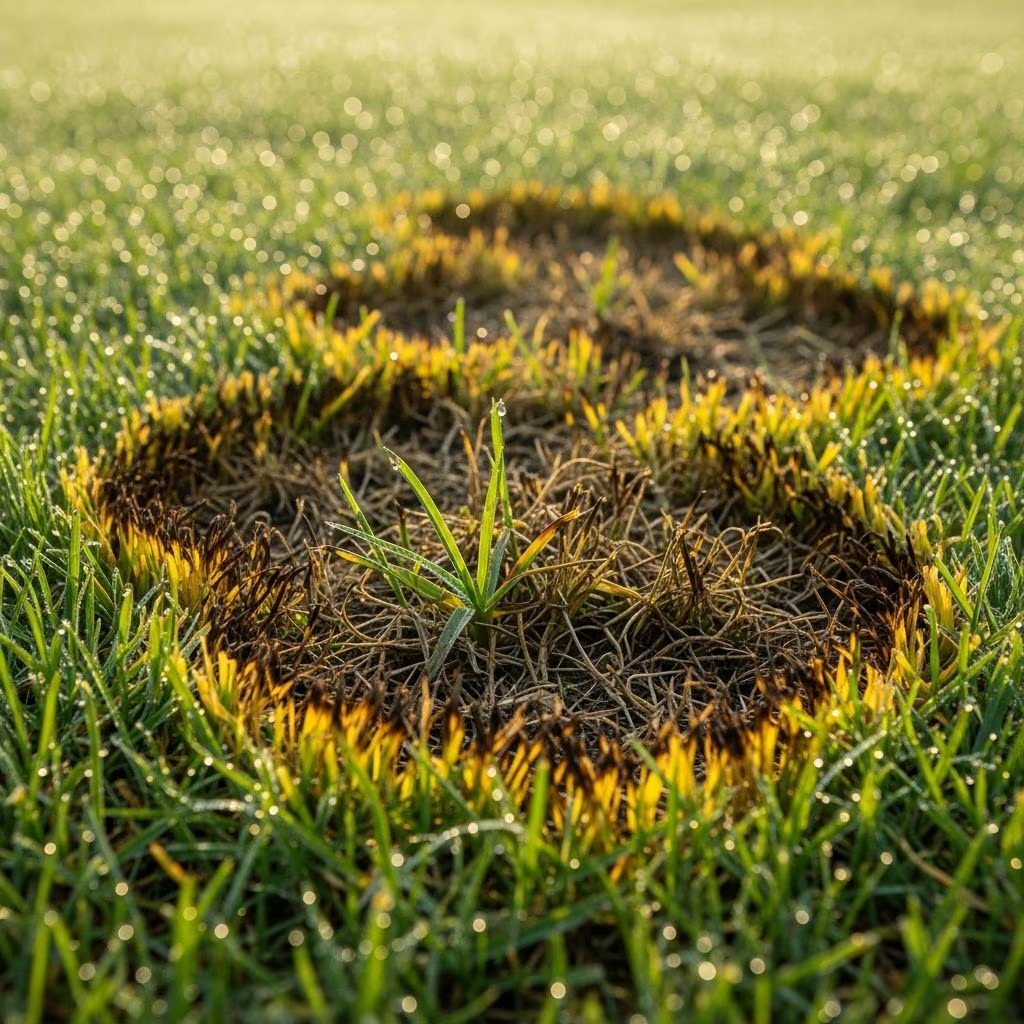
Spots of dead grass are a common frustration for dog owners, appearing in areas where dogs have repeatedly urinated. Many pet owners wonder what causes these brown patches and why their green space suffers from their beloved companion’s bathroom habits. The answer lies in the chemical composition of your dog’s urine, specifically the high concentration of nitrogen and salts it contains.
When your dog urinates on grass, the water component of the urine evaporates, leaving behind a highly concentrated deposit of nitrogen and other minerals. This concentrated nitrogen acts as a chemical burn, damaging the grass blades and roots in that specific area. The result is typically a brown or dead patch of grass surrounded by a ring of darker green grass where the nitrogen concentration is lower. In mild cases, you might see lush green growth around the edges, but the center remains scorched.
Understanding the Nitrogen Content in Dog Urine
The primary culprit behind urine scalding is nitrogen, which is a natural byproduct of protein metabolism. When your dog’s body breaks down and metabolizes proteins from their diet, excess nitrogen that isn’t utilized is eliminated through urine. This is a perfectly normal biological process and is not a sign of any health problem with your dog.
The amount of nitrogen in your dog’s urine directly correlates to their protein intake. Dogs that consume high-protein diets will have higher nitrogen levels in their urine, potentially causing more severe lawn damage. Additionally, concentrated urine contains even higher nitrogen levels than dilute urine, which is why factors affecting hydration status can influence the severity of grass damage.
Debunking the pH Myth
A widespread misconception exists that the burning of grass is due to the acidic nature of dog urine. This is incorrect. The pH of dog urine varies considerably depending on when and what the dog has eaten, and typically ranges from acidic to neutral to basic (pH 6.0-7.5). The pH has no direct relation to the nitrogen content in the urine and plays no role in grass scalding.
This misunderstanding has led to the marketing of numerous supplements and treatments designed to alter urine pH. However, attempting to artificially modify your dog’s urine pH through medications or dietary supplements can have serious adverse health effects. Altering urine pH can lead to the formation of crystals and stones in the urinary tract, potentially requiring surgical intervention. The pH-lowering approach is not only ineffective for preventing grass damage but also potentially harmful to your pet’s health.
Why Female Dogs Don’t Cause More Damage
Another common misconception is that female dogs cause more brown spots on grass than male dogs. In reality, the nitrogen levels in female and male dog urine are essentially identical. Gender does not play a role in determining urine scalding severity. However, individual dogs may vary in the damage they cause based on factors such as hydration status, diet, or underlying medical conditions that might affect nitrogen concentration in their urine.
How to Prevent Grass Scalding: Effective Solutions
Increase Your Dog’s Water Intake
One of the most effective strategies to reduce lawn damage is to encourage your dog to drink more water. When your dog consumes more water, their urine becomes more diluted, which means the nitrogen concentration is spread over a larger volume of liquid. Diluted urine contains lower concentrations of nitrogen and is therefore less likely to burn the grass.
You can encourage increased fluid consumption through several methods:
– Providing multiple water sources throughout your home and yard- Offering canned or wet food, which contains higher moisture content- Adding water to your dog’s dry kibble- Using specially formulated diets designed for urinary tract health
Some prescription diets specifically formulated for urinary tract health can help encourage water consumption due to their higher salt content. Consult with your veterinarian to determine if such diets would be appropriate for your individual dog.
Immediate Watering of Urine Spots
The most reliable method to prevent grass from burning is to water the affected area immediately after your dog urinates. By promptly rinsing the urine spot with water from a hose or watering can, you dilute the nitrogen concentration and help wash away the salts before they can be absorbed into the soil. This quick intervention must be done shortly after urination for maximum effectiveness, as the longer the urine sits on the grass, the more damage occurs.
Many owners find it convenient to keep water bottles or a spray bottle nearby during outdoor time with their dogs, allowing them to quickly rinse spots when needed. This method works well but requires diligence and immediate attention.
Training and Behavioral Modification
Another effective approach is to train your dog to urinate in a designated area that is less noticeable or less important to maintain. Some pet owners successfully train their dogs to use specific spots in the yard away from the primary lawn area. Alternatively, you can direct your dog to urinate on alternative substrates such as mulch, gravel, concrete, or artificial turf areas. These surfaces don’t burn or discolor like natural grass, making them excellent alternatives for your dog’s bathroom area.
Repairing Damaged Lawn
If your lawn has already suffered damage from urine scalding, several repair strategies can help restore it to its former appearance.
Reseeding and Grass Overseeding
Removing the dead grass and reseeding the affected areas will promote new grass growth. Before reseeding, it’s important to water the damaged area deeply and repeatedly to flush out accumulated urine salts from the soil. Once the soil has been treated, remove any dead or dying grass and prepare the area for new seed.
When selecting grass varieties for reseeding, consider choosing grasses that are less susceptible to scalding damage. Some grass varieties have faster growth rates and deeper root systems, making them more resilient to nitrogen burn. Cool-season grasses typically tolerate dog urine damage better than warm-season varieties. Consult with a local lawn care professional or extension office to determine which grass varieties perform best in your climate zone.
Soil pH Correction
Deep watering of damaged areas helps flush away salts and excessive nitrogen from the soil. Some owners find success covering affected areas with approximately one inch of compost, which helps rebalance the soil chemistry and create conditions favorable for new grass growth. This addition of organic matter can improve soil health while the area recovers.
Lawn Care Products
Lawn repair treatments are available at most garden centers and typically contain organic enzymes or bacteria designed to break down nitrogen compounds, making them less harmful to grass. These products can be effective supplementary treatments when combined with other approaches like watering and reseeding.
Understanding Supplement Claims and Effectiveness
The pet care market includes numerous supplements marketed as solutions for preventing grass damage. It’s important to understand what these products actually do and what evidence supports their use.
pH-Altering Supplements
Many dog supplements sold to prevent grass damage contain ingredients marketed to change urine pH. However, as previously discussed, pH is not the cause of urine damage to lawns, and these supplements will have no effect on grass scorching. Moreover, altering your dog’s urine pH can create health problems including urinary tract infections and stone formation.
Yucca Extract
Yucca schidigera extract is one of the few supplement ingredients that has been specifically studied in dogs rather than just in humans. Research suggests that yucca decreases the amount of ammonia (which includes nitrogen compounds) in feces. It may also reduce intestinal gas and the smell of feces. While the mechanism differs from directly affecting urine, it may have some modest benefit in reducing overall nitrogen elimination.
Cranberry Extract and D-Mannose
Cranberry has long been used by people to prevent urinary tract infections caused by E. coli bacteria. Some peer-reviewed studies in dogs suggest that cranberry extract reduces E. coli attachment to urinary cells and may reduce the number of urinary tract infections in dogs with a history of recurrent infections. However, this effect has not been demonstrated with other types of bacteria, and no peer-reviewed studies have examined whether cranberry extract prevents grass scalding.
Similarly, D-mannose is a sugar that prevents bacteria from sticking to urinary cells. While studies exist for humans, no research has been conducted on its effectiveness in preventing urinary tract infections in dogs. Though D-mannose is very safe and unlikely to cause harm, its effectiveness for preventing grass damage remains unknown.
Paramagnetic Rock Products
Some specialty products claim to prevent grass scalding through paramagnetic removal of nitrates from water. However, dogs obtain their nitrogen from food, not water. Nitrates in water are infrequent unless the water is contaminated by fertilizer or wastewater. While such rocks are unlikely to harm dogs (unless swallowed), it remains unclear whether the amount of nitrogen they absorb would be sufficient to meaningfully reduce grass scalding.
Dietary Considerations for Lawn Protection
Your dog’s diet directly influences the nitrogen content of their urine. Dogs consuming high-protein diets will have more nitrogen to eliminate through urination. While protein is essential for your dog’s health and should not be drastically reduced, being mindful of dietary protein levels can help moderately reduce urine scalding.
Additionally, dry foods increase urine concentration, which means higher nitrogen density in each urination event. Switching to canned or wet food options increases your dog’s moisture intake, resulting in more dilute urine with lower nitrogen concentration. A balanced approach combining adequate nutrition with increased hydration offers the best solution for most dogs.
Frequently Asked Questions About Urine Scalding
Q: Is my dog’s urine pH acidic and burning my grass?
A: No. Dog urine typically ranges from slightly acidic to neutral to slightly basic (pH 6.0-7.5), and pH does not cause grass scalding. Nitrogen concentration is the primary culprit, not urine acidity.
Q: Will supplements that adjust urine pH help save my lawn?
A: No. pH-altering supplements are ineffective for preventing grass damage and can harm your dog’s health by increasing the risk of urinary tract crystals and stones. These supplements are not recommended.
Q: Do female dogs cause more lawn damage than male dogs?
A: No. The nitrogen levels in female and male dog urine are essentially the same. Individual variation in damage depends on factors like hydration, diet, and overall health status, not gender.
Q: What is the fastest way to fix urine-damaged grass?
A: Immediately water the area after your dog urinates to dilute the nitrogen concentration. For existing dead patches, deeply water the area to flush out salts, then reseed with hardy grass varieties suited to your climate.
Q: Can I completely prevent lawn damage without medication?
A: Yes. The combination of increasing your dog’s water intake, immediately watering urine spots, training your dog to use designated areas, and choosing resistant grass varieties provides effective prevention without risky medications.
References
- Urine Scalding on Grass — VCA Animal Hospitals. 2025. https://vcahospitals.com/know-your-pet/urine-scalding-on-grass
- Why Does Dog Urine Burn Lawns and What You Can Do About It — Preventive Vet. 2025. https://www.preventivevet.com/dogs/what-to-do-if-your-dogs-urine-is-burning-the-lawn
- Dog Urine Damage on Lawns: Causes, Cures and Prevention — Colorado State University Extension. https://cmg.extension.colostate.edu/Gardennotes/553.pdf
- Why Does Dog Pee Kill Grass — And How To Stop It — American Kennel Club. 2025. https://www.akc.org/expert-advice/home-living/dog-pee-killing-grass
- How To Keep Dog Pee From Ruining Your Lawn — PetMD. 2025. https://www.petmd.com/dog/general-health/how-to-keep-dog-pee-from-ruining-lawn
- How to Fix Dog Urine Spots on Lawns — Pennington Seed. 2025. https://www.pennington.com/all-products/grass-seed/resources/healthy-lawns-and-happy-dogs



