

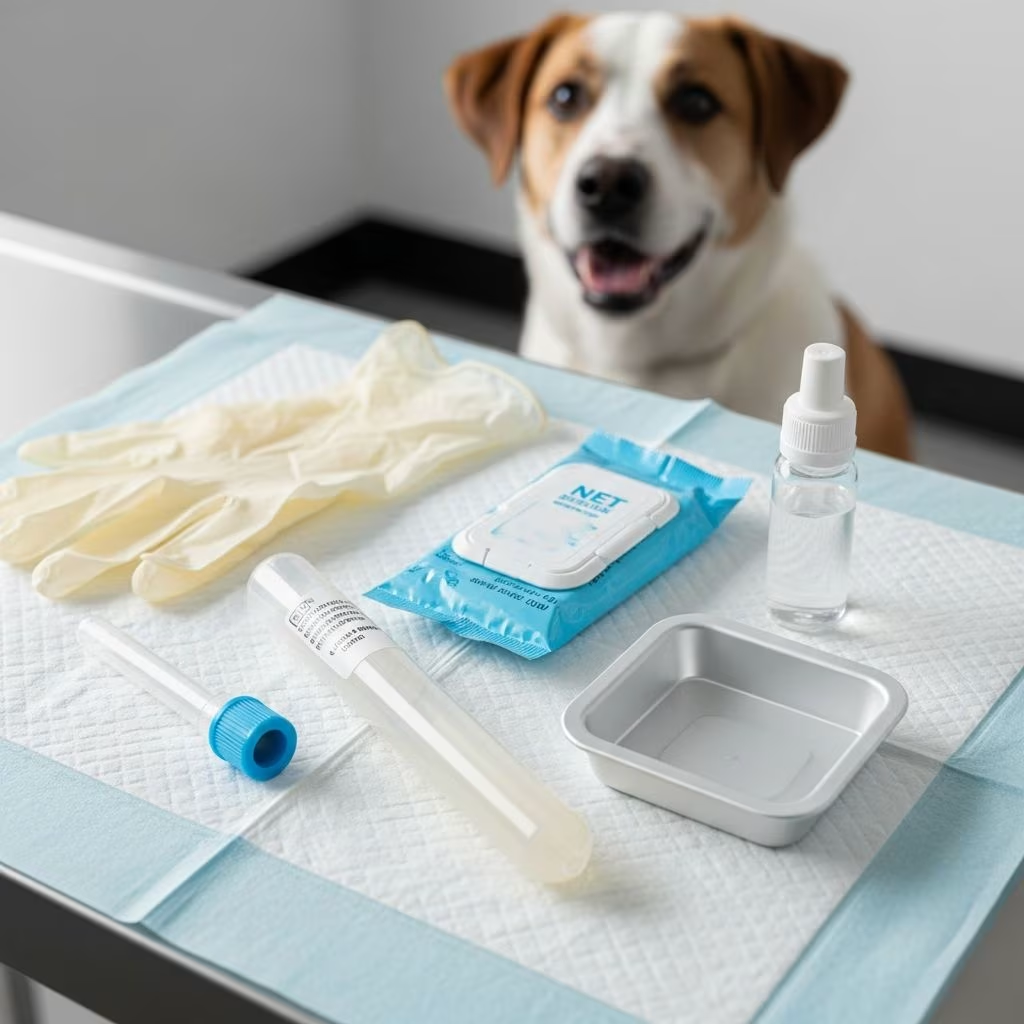
Collecting a urine sample from your dog is a crucial skill for proactive pet health management. Veterinary professionals rely on these samples for urinalysis, which helps diagnose urinary tract infections, kidney problems, diabetes, and more. This guide details practical methods, preparation tips, and best practices to obtain reliable samples without stress for you or your pet.
Why Urine Samples Matter in Canine Health
Urine analysis provides a window into your dog’s internal health. It reveals concentrations of proteins, glucose, bacteria, crystals, and cells that indicate issues like infections or organ dysfunction. A properly collected sample ensures accurate results, avoiding false positives from contaminants. Early detection through routine sampling can prevent serious conditions, making it a cornerstone of preventive care.
Factors like diet, hydration, and time of day influence urine composition. Morning samples are ideal as they are more concentrated, offering clearer diagnostic insights.
Preparation Essentials Before Collection
Gather supplies in advance to streamline the process:
- Clean, sterile container with a tight lid (avoid household items like food containers that may harbor residues).
- Disposable gloves to prevent contamination.
- Wide, shallow tray or foil for catching (e.g., pie pan or aluminum tray).
- Labels with your dog’s name, collection time/date.
- Refrigeration option for short-term storage.
Wash all tools with soap and water, rinse thoroughly, and dry. Timing matters—aim for first morning urine when the bladder is full.
Home-Based Free-Catch Method: Step-by-Step
The free-catch approach is the simplest for owners, involving capturing mid-stream urine during natural voiding. This minimizes lower tract contaminants compared to floor puddles.
- Take your dog to their usual elimination spot on a leash for control.
- Observe for squatting or leg-lifting cues.
- Swiftly position the tray under the stream to catch the middle portion (skip initial and final flow).
- Transfer 1-2 tablespoons to the sterile pot immediately.
- Label and transport to the vet within hours, or refrigerate briefly.
For squatters, a low pie plate slides easily underneath. Leg-lifters suit cups or ladles held in the stream. Practice patience—multiple attempts may be needed.
| Dog Posture | Recommended Tool | Tips |
|---|---|---|
| Squatter | Shallow pie pan or foil tray | Slide from behind gently. |
| Leg-Lifter | Cup, jar, or ladle | Position quickly in arc. |
| Small Breed | Tupperware or small dish | Stay low to avoid spills. |
Advanced Owner Technique: Manual Bladder Expression
If free-catch fails, gentle abdominal pressure can express urine. Position your dog on their side or back, palpate the lower abdomen for the bladder (soft, balloon-like), and apply steady, mild squeeze. Catch the flow in your container. Use sparingly to avoid discomfort or incomplete emptying. Consult your vet first, as this risks trauma if done forcefully.
Professional Veterinary Collection Options
When home methods aren’t feasible, vets use sterile techniques for pristine samples.
Cystocentesis: The Gold Standard
This involves needle aspiration directly from the bladder, yielding the cleanest sample with minimal contamination. Ideal for bacterial cultures and accurate urinalysis.
Bladder Isolation Steps:
- Vet assembles 6-12mL syringe, 22-gauge needle, ethanol.
- Dog in lateral recumbency; abdomen clipped and cleaned.
- Bladder palpated, needle inserted midline caudal abdomen.
- Urine withdrawn, needle removed.
Ultrasound-Guided Variant: Adds real-time imaging for precision, reducing risks like hematuria.
Catheterization: Targeted Access
A sterile tube navigates the urethra into the bladder. Best for males due to anatomy; females risk trauma. Provides sterile samples but may introduce epithelial cells.
Pros: Good for cultures. Cons: Invasive, potential irritation.
Sample Handling and Storage Protocols
Time-sensitive: Analyze within 30-60 minutes for optimal cell integrity. Refrigerate at 4°C if delayed (up to 6-12 hours); avoid freezing unless specified. Warm to room temperature before testing. Label precisely: pet name, owner contact, collection details.
Contamination pitfalls: Detergents alter chemistry; bacteria proliferate if warm. Mid-stream free-catch reduces but doesn’t eliminate risks—follow with sterile methods if infection suspected.
Common Challenges and Solutions
Reluctant Dogs: Use high-value treats, familiar spots, or assistants. Off-leash if safe, but stay vigilant.
Small/Fast Piddlers: Non-absorbent litter kits or pediatric cups help.
Cold Weather: Indoor grass patches or warmed trays encourage voiding.
Multi-Dog Homes: Isolate during collection; confirm sample source.
Interpreting Urinalysis Results Basics
While vets interpret fully, know common markers:
- Color/Clarity: Cloudy suggests infection; red indicates blood.
- pH: Acidic (5-7) normal; alkaline may signal bacteria.
- Protein/Glucose: Abnormal levels flag kidney or metabolic issues.
- Crystals/Bacteria: Point to stones or UTIs.
Samples guide treatments like antibiotics or diets.
FAQ: Dog Urine Collection Queries
How much urine is needed?
Typically 5-10mL (1-2 tsp); vets specify.
Can I use kitty litter for dogs?
Non-absorbent pellets only; avoid clumping types.
What if my dog has no bladder control?
Vet catheterization or expression required.
Is overnight refrigeration safe?
Up to 12 hours yes; discard after.
Free-catch vs. sterile—which for home tests?
Free-catch suffices for dips; sterile for cultures.
Safety Considerations for You and Your Pet
Wear gloves; wash post-collection. Monitor for stress—stop if anxious. Never force expression without training. Puppies/seniors need gentler handling. If blood appears post-cysto, it’s often transient.
For ongoing monitoring (e.g., diabetes), home test strips complement vet samples but aren’t substitutes.
Tools and Products for Easier Collection
- Pet urine collectors: Extendable cups for leg-lifters.
- Disposable trays: Sterile, leak-proof.
- Home analyzers: Strips for pH/protein (vet verification essential).
Invest in vet-recommended kits for reliability.
References
- Urinalysis in Companion Animals: Collection, Handling, & Evaluation — Today’s Veterinary Practice. 2023. https://todaysveterinarypractice.com/clinical-pathology/todays-technician-urinalysis-in-companion-animals-part-1-collection-sample-handling-initial-evaluation/
- Sample collection | eClinpath — eClinpath. 2024. https://eclinpath.com/urinalysis/sample-collection/
- Urinalysis: Best practices for sample collection and submission — Texas A&M Veterinary Medical Diagnostic Laboratory. 2023. https://tvmdl.tamu.edu/urinalysis-best-practices-for-sample-collection-and-submission/
- How to collect a urine sample from your dog — PDSA. 2024. https://www.pdsa.org.uk/pet-help-and-advice/pet-health-hub/other-veterinary-advice/how-to-collect-a-urine-sample-from-your-dog
- How To Collect A Urine Sample From Your Dog — PDSA (YouTube). 2022. https://www.youtube.com/watch?v=U3WIXBEXB8o
- How Do I Collect a Urine Sample From My Dog? — AKC. 2024. https://www.akc.org/expert-advice/health/collect-urine-sample-from-dog/



