

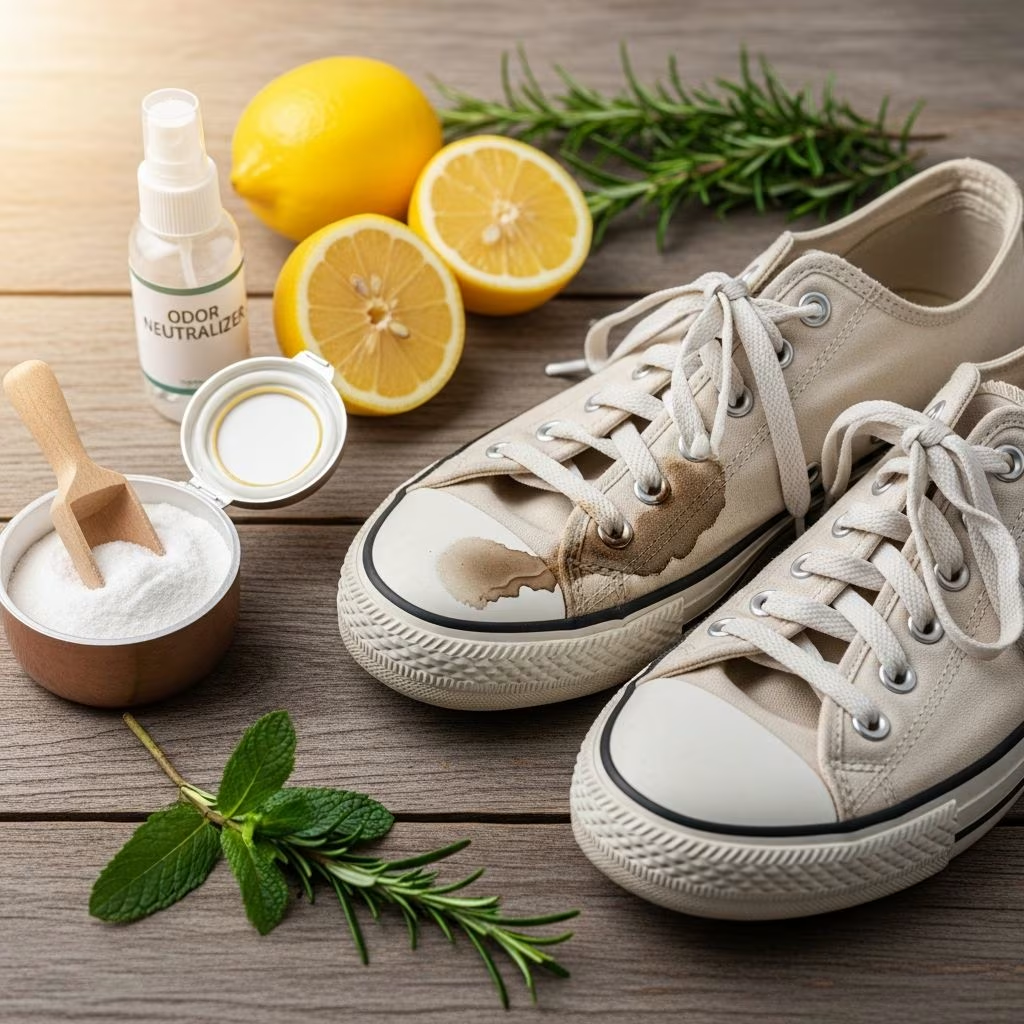
Dog urine presents a persistent challenge for pet owners, particularly when accidents occur on personal belongings like shoes and boots. The distinctive ammonia-based odor can embed itself into fabric and materials, creating an unpleasant smell that standard washing may not completely resolve. Understanding the chemistry behind pet urine odors and learning the most effective removal strategies can help restore your footwear to its original condition.
Understanding the Chemistry of Dog Urine Odors
Dog urine contains compounds including urea, uric acid, and ammonia, which create the characteristic pungent smell associated with pet accidents. When urine contacts porous materials like leather, canvas, or mesh found in shoes and boots, these compounds penetrate the fibers and can bond to the material at a molecular level. This is why simply wiping the surface or rinsing with water often fails to eliminate the odor completely.
The complexity of urine chemistry explains why some removal methods work better than others. Generic air fresheners or surface cleaners may temporarily mask the smell, but they do not address the underlying chemical compounds responsible for the odor. This temporary relief means the unpleasant smell often returns once the masking agent fades.
Enzymatic Cleaners: The Science-Backed Solution
Enzymatic cleaners represent one of the most effective approaches to eliminating pet urine odors from footwear. These specialized products function by breaking down the organic proteins and compounds within urine into smaller, odorless molecules. Unlike conventional cleaning products that simply cover up smells, enzymatic formulas actively neutralize the root cause of the odor.
The enzyme proteins in these cleaners work as biological catalysts. They continue their action over extended periods, provided the organic residue remains present. This extended working time makes enzymatic cleaners particularly valuable for treating deeply embedded odors in shoes and boots where the urine may have saturated multiple layers of material.
When selecting an enzymatic cleaner for footwear, look for products specifically formulated to target pet urine. These are typically labeled as pet-safe and non-toxic, ensuring they will not damage shoe materials while effectively removing odors. Application involves coating the affected area generously and allowing the cleaner to remain in contact with the material for the time recommended by the product instructions, typically 12 to 24 hours for stubborn odors.
Natural Home-Based Treatment Methods
Many pet owners prefer addressing pet urine odors using household items already available in their kitchens and bathrooms. These natural solutions offer several advantages, including affordability, safety for both pets and people, and environmental sustainability.
Vinegar and Water Solution
White vinegar serves as an effective natural odor neutralizer due to its acidic properties, which break down the uric acid present in dog urine. The standard preparation involves mixing equal parts white vinegar and water in a spray bottle. For shoes and boots, this solution can be applied directly to the affected areas, allowed to sit for 5 to 10 minutes to penetrate the material, and then blotted thoroughly with absorbent cloths. The vinegar smell itself will dissipate as the treated footwear dries, taking the urine odor with it.
Baking Soda Treatment
Baking soda functions as a moisture and odor absorber, making it valuable for treating shoes and boots with lingering smells. The powder can be sprinkled directly inside shoes or boots, where it will gradually absorb moisture and odor-causing compounds. Leaving baking soda inside footwear overnight or for several hours enhances its effectiveness. After the treatment period, the baking soda should be thoroughly vacuumed or shaken out to prevent residue from transferring to feet or socks.
Combined Vinegar and Baking Soda Method
For moderate to severe odors, combining vinegar and baking soda creates a more powerful treatment. First, spray the vinegar and water mixture onto the affected shoe or boot areas. Once the vinegar solution has been applied and had time to begin breaking down the urine compounds, sprinkle baking soda over the same areas. The combination of these two substances enhances odor absorption and neutralization. Allow the mixture to sit for several hours or overnight, then vacuum thoroughly to remove all baking soda residue.
Advanced Treatment with Hydrogen Peroxide
For persistent or deeply embedded odors, hydrogen peroxide offers a more aggressive treatment option. Products containing 3% hydrogen peroxide can be combined with the vinegar and water solution to create an enhanced cleaning formula. A standard enhanced mixture involves combining one-quarter cup of 3% hydrogen peroxide with one cup of vinegar and one cup of water. This combination works through multiple mechanisms: vinegar breaks down uric acid, hydrogen peroxide oxidizes odor-causing compounds, and water serves as a carrier to help the solution penetrate shoe materials.
Before applying hydrogen peroxide-based solutions to shoes or boots, particularly those made from colored materials or delicate fabrics, it is essential to test the mixture on a small, inconspicuous area first. Hydrogen peroxide can potentially bleach or discolor certain materials, so verification of safety should occur before treating visible areas. If the test area shows no discoloration after several minutes, the treatment can proceed on the affected odor areas.
Practical Application Strategies for Different Shoe Types
The specific application method for removing dog urine odor depends partly on the type of footwear affected. Canvas shoes and athletic footwear, which feature porous materials, generally respond well to liquid-based treatments where solutions can be applied directly and allowed to soak. Leather shoes and boots require more careful handling to avoid water damage or discoloration. For leather footwear, applying solutions with a cloth dampened in the cleaning mixture, rather than spraying directly, provides better control and prevents oversaturation.
For enclosed spaces within shoes, such as insoles or the interior lining, treatment may require removing these components when possible. Removable insoles can be soaked in cleaning solutions or treated with baking soda powder more aggressively than the shoe exterior. Interior linings, if not removable, can be treated by injecting baking soda powder into the shoe and allowing it to rest for extended periods, or by using enzymatic sprays designed for interior fabric treatment.
Drying and Post-Treatment Care
Proper drying following odor treatment is crucial for complete odor elimination and preventing mold or mildew growth within shoes. After applying any liquid-based cleaning solution, shoes and boots should be blotted with absorbent cloths to remove excess moisture. Avoid exposing treated footwear to direct heat sources such as hair dryers or radiators, as excessive heat can damage shoe materials and potentially set any remaining odor into the fabric.
Instead, allow shoes to air dry completely in a well-ventilated area, preferably in sunlight if possible. Natural sunlight provides both UV exposure, which can help eliminate residual odors, and passive drying. The drying process may take 24 to 48 hours depending on shoe size, material composition, and humidity levels. Patience during this phase ensures thorough odor removal and prevents the development of new problems from incomplete drying.
When to Seek Professional Cleaning Services
Some situations may warrant professional intervention for footwear odor removal. If home treatment methods fail to eliminate the odor after multiple applications, or if the dog urine has caused visible damage to the shoe material or structure, professional cleaning services specializing in shoe restoration may be the appropriate choice. Professional cleaners have access to industrial-strength enzymatic products and specialized equipment designed to treat footwear comprehensively.
Additionally, extremely valuable or delicate shoes that the owner is hesitant to treat with do-it-yourself methods may benefit from professional handling. Professionals can assess material composition and select treatment methods that minimize risk to the footwear while maximizing odor removal effectiveness.
Prevention Strategies for Future Protection
While removal methods address existing odor problems, preventing future accidents provides long-term protection for footwear. Storing shoes in closed areas away from pet access reduces the likelihood of urine accidents on stored items. Using pet gates to restrict access to closets and entryways where shoes are typically kept offers additional protection. For pets with ongoing house-training challenges or medical issues causing inappropriate urination, addressing these underlying problems with veterinary guidance reduces the frequency of accidents that can damage belongings.
Maintaining consistent pet bathroom schedules and providing regular outdoor access significantly decreases the probability of indoor accidents on personal items. Regular cleaning of accident-prone areas of the home, combined with enzymatic treatments of any areas where pets have previously marked, helps prevent repeated soiling of the same spots, which can then extend to nearby items like shoes.
Comparing Treatment Effectiveness
| Treatment Method | Effectiveness Level | Time Required | Cost Estimate |
|---|---|---|---|
| Enzymatic Cleaner | Very High | 12-24 hours | $15-30 |
| Vinegar & Water | Moderate | 5-10 minutes + drying | $2-5 |
| Baking Soda | Moderate | Overnight | $3-7 |
| Hydrogen Peroxide Mix | High | Several hours | $5-10 |
| Professional Service | Very High | Varies | $40-100+ |
Frequently Asked Questions
How long does it take for dog urine odor to disappear from shoes?
The timeline for complete odor elimination depends on the treatment method and severity of the accident. Natural methods like vinegar and baking soda typically require 24 hours or more. Enzymatic cleaners often work within 12 to 24 hours with proper application. Stubborn or deeply embedded odors may require multiple treatment applications, extending the timeline to several days.
Can machine washing eliminate dog urine odor from shoes?
Standard machine washing provides only partial odor removal because water alone does not break down the uric acid and protein compounds in dog urine. Pre-treating shoes with enzymatic cleaner or a vinegar solution before machine washing significantly improves results. However, some shoe types may not tolerate machine washing without damage, making pre-treatment followed by air drying often the safer approach.
What is the most cost-effective odor removal method?
Vinegar and baking soda represent the most budget-friendly approaches since most households already have these items available. These natural methods cost just a few dollars to implement while providing moderate effectiveness for mild to moderate odors. For severe odors, investing in an enzymatic cleaner provides better results despite higher upfront cost.
Will enzyme cleaners damage shoe materials?
Most pet-safe enzymatic cleaners are designed to be gentle on fabrics and materials when used as directed. However, testing on an inconspicuous area before treating visible shoe surfaces remains advisable, particularly for delicate or expensive footwear. Reading product instructions carefully and following manufacturer guidance ensures safe application.
Can baking soda be left permanently inside shoes?
While baking soda is safe, leaving it permanently inside shoes can create residue that transfers to feet and socks, creating an uncomfortable texture. After treatment, baking soda should be thoroughly removed through vacuuming or shaking out the shoe. For ongoing freshness, replacing baking soda periodically or using specialized shoe deodorizing inserts offers a better long-term solution.
References
- How to Remove the Smell of Pet Urine from Your Home — Scott Brand. 2024. https://www.scottbrand.com/en-us/tips-and-advice/pet-care/how-to-clean-pet-urine
- How to Remove Dog and Cat Urine Smell from Carpet — BISSELL. 2024. https://www.bissell.com/en-us/blog/how-to-remove-dog-and-cat-urine-smell-from-carpet/
- How To Get Dog Pee Out of Carpet, Floors, and Couches — PetMD. 2024. https://www.petmd.com/dog/general-health/how-to-get-dog-pee-out-of-carpet-floors-couches
- How to Get Rid of Pet Urine Odors for Good | Proven Cleaning Tips — Doggy Bathroom. 2024. https://doggybathroom.com/blogs/blog/tackling-pet-urine-odours-effective-strategies-for-a-fresh-smelling-carpet
- Natural Ways to Remove Pet Odor Fast With Home Remedies — Tequest Veterinary Clinic. 2024. https://tequestaveterinaryclinic.com/natural-home-remedies-to-remove-pet-odor-fast/



