

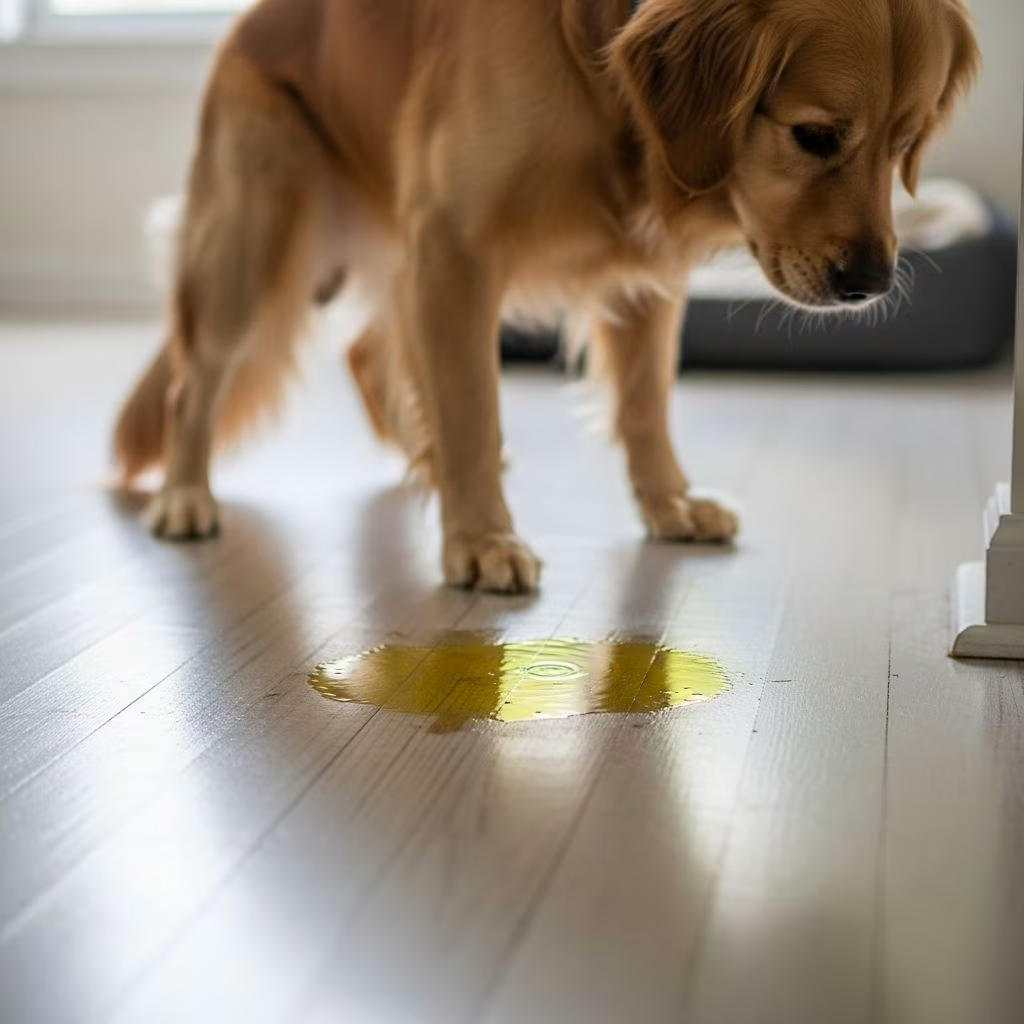
Urinary incontinence in dogs, often noticed as involuntary urine leakage, affects many pets and can stem from various underlying issues. Owners frequently spot wet bedding or dribbling during rest, prompting concern for their dog’s comfort and home hygiene. Early identification and veterinary intervention can significantly improve outcomes.
Recognizing the Signs of Involuntary Urination
Dogs experiencing urine leakage typically show subtle yet consistent indicators that alert attentive owners. Common observations include small puddles under the dog during sleep or relaxation, damp fur around the rear legs and abdomen, and a persistent urine odor on the pet or its living areas. Additional clues involve frequent genital licking to clean moisture, skin irritation resembling scalding in wet regions, and occasional dribbles noticed while the dog walks or shortly after normal urination.
- Wet spots on bedding or floors where the dog rests
- Matted or discolored fur on the underbelly and groin
- Red, inflamed skin from constant dampness
- Excessive self-cleaning of the urinary area
- Indoor urine accidents despite house training
These signs often appear without the dog showing distress or awareness, distinguishing true incontinence from behavioral issues like excitement or submissive peeing. Accompanying symptoms tied to specific causes might include straining, blood-tinged urine, increased thirst, or mobility problems in the hindquarters.
Primary Causes Behind Canine Urine Leakage
Multiple factors contribute to a dog’s inability to control urination, ranging from age-related weakening to serious medical conditions. Understanding these helps in pinpointing the root problem through professional evaluation.
Urethral Sphincter Mechanism Incompetence (USMI)
The leading cause in adult and senior female dogs, USMI occurs when the urethral muscles fail to maintain closure, allowing urine to escape passively. Hormonal changes post-spaying, obesity, and breed predispositions exacerbate this. Males can also be affected, particularly with prostate issues.
Urinary Tract Infections (UTIs)
Bacterial invasions in the bladder or urethra irritate tissues, leading to leakage alongside pain during voiding, frequent small urinations, and possible hematuria. Older dogs or those with mobility limitations face higher risks.
Congenital and Structural Defects
In puppies, ectopic ureters—where urine bypasses the bladder—cause lifelong dribbling, diagnosable via imaging. Other anomalies like hernias or vestibulovaginal issues in females contribute similarly.
Neurological and Spinal Disorders
Damage to nerves controlling the bladder, from disc herniations or trauma, disrupts signals, resulting in overflow incontinence. Breeds like Dachshunds are prone due to spinal anatomy.
Other Contributing Factors
Bladder stones provoke irritation and temporary leaks; tumors compress structures; diabetes boosts urine production overwhelming weak sphincters; toxins or medications alter control. Senility in aged dogs may lead to unawareness of voiding needs.
| Cause | Affected Age Group | Key Symptoms | Breeds at Risk |
|---|---|---|---|
| USMI | Adults/Seniors | Dribbling at rest, no awareness | Large breeds, spayed females |
| UTI | All ages | Frequent urination, licking, blood | Older females |
| Ectopic Ureters | Puppies | Constant leak from birth | Female Shepherds, Labs |
| Spinal Injury | All ages | Hind leg weakness, overflow | Dachshunds, long-backed breeds |
Diagnostic Approaches for Accurate Identification
Veterinarians employ a stepwise process to differentiate incontinence causes, starting with history and physical exams. Urinalysis detects infections or crystals; cultures identify bacteria; blood panels screen for systemic diseases like diabetes. Imaging such as ultrasound or contrast studies reveals stones, tumors, or anatomical flaws, while neurological assessments evaluate spinal integrity.
- Complete blood count and chemistry profile
- Urine sediment analysis and culture
- Abdominal radiographs or ultrasound
- Cystoscopy for ureter visualization
- Neurological reflex testing
Prompt diagnostics prevent complications like recurrent infections or skin damage from chronic moisture.
Treatment Strategies Tailored to the Cause
Management hinges on the diagnosis, often combining medications, lifestyle adjustments, and surgery. Most cases respond well, restoring continence and comfort.
Medical Interventions
Phenylpropanolamine (PPA) strengthens urethral tone for USMI, with high success rates. Hormonal therapies like DES mimic estrogen effects. Antibiotics clear UTIs, while anti-inflammatories soothe stone irritation. Diabetic control stabilizes production.
Surgical Options
Ectopic ureters require ureteral reimplantation; severe USMI may need slings or collagen injections. Tumor removal or stone dissolution addresses blockages.
Supportive Home Care
Doggy diapers, frequent walks, and waterproof bedding maintain hygiene. Weight management aids sphincter function; manual bladder expression helps paralyzed pets.
| Treatment Type | Target Condition | Success Rate | Potential Side Effects |
|---|---|---|---|
| PPA Medication | USMI | 80-90% | Restlessness, hypertension |
| Antibiotics | UTI | 95% with culture guide | Gastrointestinal upset |
| Surgery | Ectopic Ureters | 70-85% | Infection, recurrence |
Preventive Measures and Long-Term Management
While not all cases are preventable, spaying timing, obesity control, and routine vet checks reduce risks. Monitor seniors closely for early signs. Home strategies like elevated food bowls for UTIs and non-slip floors for mobility aid prevention.
When to Seek Emergency Veterinary Care
Rush to the vet if leakage accompanies inability to urinate, severe pain, blood clots, collapse, or sudden hindquarter paralysis—these signal blockages or neuro crises.
Frequently Asked Questions (FAQs)
Is urine leaking common in older dogs?
Yes, USMI and weakened muscles make seniors prone, but treatable with meds.
Can spaying cause incontinence?
It increases USMI risk via hormone drop, but benefits outweigh for most.
How effective are incontinence medications?
PPA resolves symptoms in most dogs, often lifelong but safe.
Will my puppy outgrow leaking?
Congenital issues like ectopic ureters persist without surgery.
Can diet help manage dog incontinence?
UTI-preventive urinary diets reduce crystals; weight loss supports sphincters.
Enhancing Your Dog’s Quality of Life
Beyond treatments, emotional support through consistent routines reassures incontinent dogs. Regular grooming prevents infections, and belly bands offer dignity during leaks. Collaborate with vets for tailored plans, ensuring happy, dry companionship.
References
- Urinary incontinence in dogs: Signs and treatment options — Vetster. 2023. https://vetster.com/en/wellness/urinary-incontinence-in-dogs-signs-and-treatment-options
- Why is my dog urinating uncontrollably? — WagWalking. 2023. https://wagwalking.com/symptom/why-is-my-dog-urinating-uncontrollably
- Urinary Incontinence (Urethral Incontinence) in Dogs — VCA Animal Hospitals. 2023. https://vcahospitals.com/know-your-pet/urethral-incontinence-in-dogs
- Urinary Incontinence in dogs — PDSA. 2023. https://www.pdsa.org.uk/pet-help-and-advice/pet-health-hub/symptoms/urinary-incontinence-in-dogs
- Urinary Incontinence in Dogs: Signs, Causes, Treatments — Best Friends Animal Society. 2023. https://bestfriends.org/pet-care-resources/urinary-incontinence-dogs-signs-causes-treatments
- Dog Urinary Incontinence | Causes, Symptoms & Treatment — Proin ER. 2023. https://www.proin-er.com/urinary-incontinence/
- Urinary Incontinence in the Dog — UC Davis Veterinary Medicine. 2023. https://www.vetmed.ucdavis.edu/hospital/animal-health-topics/canine-incontinence



