

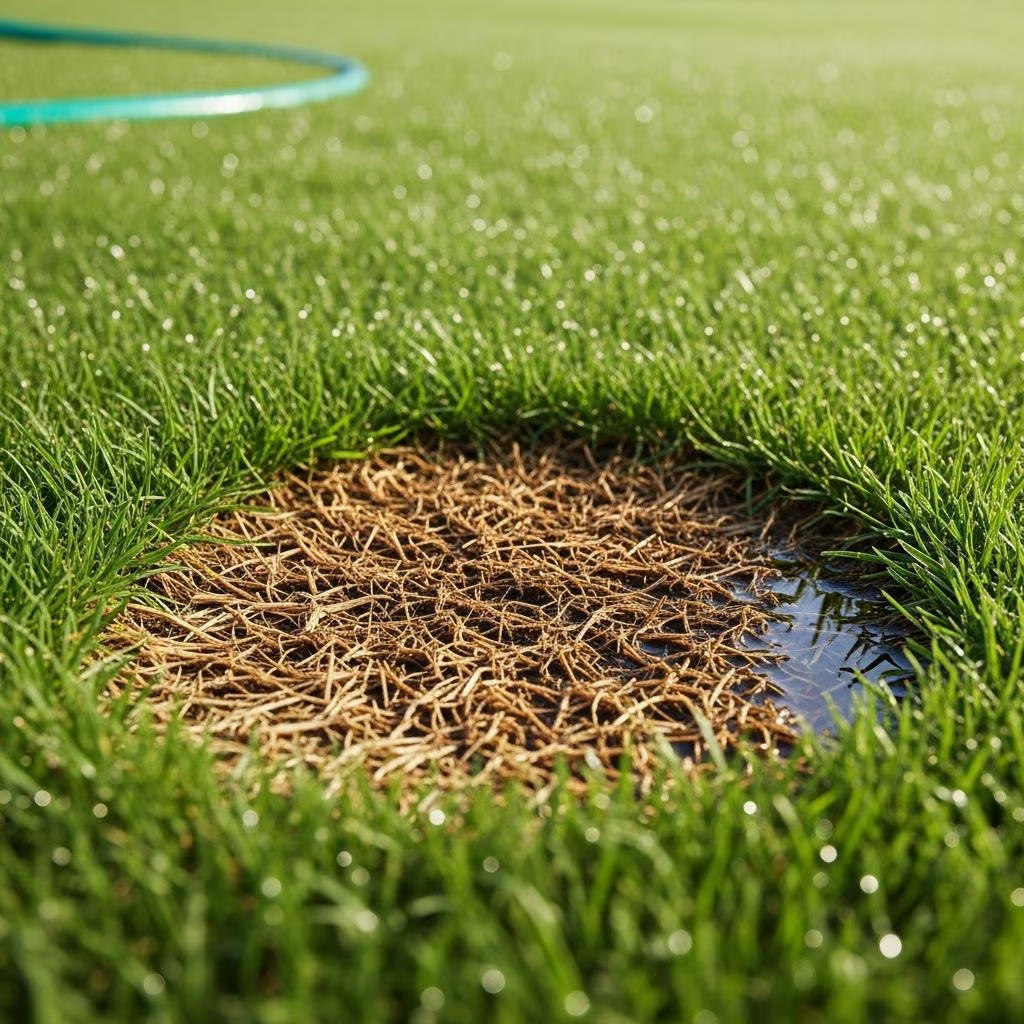
Pet ownership brings joy and companionship, but it often comes with an unwelcome side effect: brown, dead patches appearing across your lawn where your dog frequents. This frustrating problem affects countless homeowners who struggle to maintain an attractive yard while caring for their furry companions. Understanding the science behind why dog urine damages grass is the first step toward finding effective solutions that work for both your landscape and your pet.
Understanding the Chemistry Behind Lawn Damage
The damage to your lawn from dog urine stems from a straightforward biological process. When dogs consume protein-rich food, their bodies break down these proteins during digestion. This metabolic process produces nitrogen, which accumulates in the bloodstream and is subsequently filtered by the kidneys into the urine. Dogs that consume high-protein diets or drink insufficient water will have more concentrated urine with elevated nitrogen levels.
While nitrogen is an essential nutrient for healthy plant growth, excessive concentrations become problematic. When a dog urinates on a specific spot, it deposits a large quantity of nitrogen into a small area of soil. This concentrated dose overwhelms the root system of the grass, essentially burning it and causing the characteristic brown, dead patches. The process happens relatively quickly, sometimes within days of repeated urination in the same location.
Additionally, dog urine contains salts alongside the nitrogen. These mineral compounds compound the damage by further stressing the grass plants and creating an inhospitable environment for root development and nutrient absorption.
The Critical Role of Hydration in Prevention
One of the most effective preventative measures involves something as simple as ensuring your dog drinks adequate water throughout the day. When dogs consume more water, their urine becomes diluted, reducing the concentration of nitrogen and harmful salts. This dilution significantly decreases the likelihood of lawn damage occurring.
Many well-intentioned pet owners mistakenly believe that limiting their dog’s water intake might reduce urination frequency and thus protect the lawn. This strategy backfires considerably. When dogs have restricted water access, their kidneys concentrate the urine, creating more potent nitrogen and salt deposits that cause more severe damage.
To encourage adequate hydration, consider these practical approaches:
- Place multiple water bowls throughout your home and yard to increase accessibility
- Invest in a pet water fountain, which many dogs find more appealing than static bowls
- Add water to your dog’s dry food to increase daily fluid consumption
- Consult your veterinarian about diet modifications designed to encourage drinking
- Ensure fresh water is always available both indoors and outdoors
Some veterinarians recommend specialized diets formulated to increase thirst and water consumption, which can help dilute urine and reduce lawn damage.
Creating Designated Relief Areas
Rather than attempting to prevent your dog from urinating entirely—which is neither realistic nor healthy—many experts recommend designating specific areas where your pet can relieve themselves without damaging the entire lawn. This approach concentrates damage to a manageable zone rather than distributing it across your property.
Training a dog to use a specific potty area requires consistency and positive reinforcement over several weeks, but the payoff is significant. You can enhance this training by strategically placing pheromone-infused posts or hydrants in the designated zone, which naturally encourage dogs to urinate in that location.
For those who prefer not to rely solely on training, physical solutions work effectively:
- Fence off a portion of your yard specifically for dog toileting
- Create a mulch or gravel area separate from the main lawn
- Install a dedicated dog potty pad or artificial turf in a contained space
- Use landscape borders to clearly define the relief zone
These physical barriers ensure your dog understands where elimination is acceptable while protecting your primary lawn area from damage.
Selecting Resilient Grass and Alternative Plantings
Not all grass species respond equally to urine exposure. Some varieties demonstrate significantly greater resilience to nitrogen concentration and salt damage than others. If you’re planning to reseed your lawn or are starting fresh, choosing the right grass type makes a substantial difference.
Tall Fescue stands out as the top choice for dog-friendly lawns. This durable grass variety thrives in diverse climates, develops deep root systems that enhance drought resistance, and demonstrates exceptional ability to withstand both dog urine and heavy play. When reseeding after damage, tall fescue typically outperforms other options in terms of recovery and long-term durability.
Perennial Ryegrass and standard fescue offer good alternatives with moderate resistance to urine damage. These species recover reasonably well when spots receive proper care and reseeding.
For homeowners seeking to reduce their turf lawn altogether, several dog-safe alternatives exist:
| Alternative Plant/Material | Characteristics | Best For |
|---|---|---|
| Clover | Low-maintenance, resilient, nitrogen-fixing properties | Entire lawn replacement |
| Moss | Shade-tolerant, minimal maintenance, durable | Shaded areas |
| Ornamental Grasses | Decorative, varying heights, low water needs | Mixed plantings |
| Mulch or Gravel | Completely eliminates grass concerns, long-lasting | Designated dog zones |
| Bark Chips | Comfortable for paws, natural appearance, biodegradable | High-traffic pet areas |
Ensure any plants or materials you select are completely non-toxic to dogs, as pets may ingest or have prolonged contact with yard surfaces.
Maintaining Grass Health to Resist Damage
A strong, healthy lawn demonstrates much greater resilience to damage than weakened grass. Proper maintenance practices create conditions where grass can better withstand nitrogen stress and recover more quickly from urine exposure.
Mowing Height and Technique play important roles in lawn resilience. Maintain grass at the taller end of your specific variety’s recommended height range, ideally at least four inches tall. Longer grass blades help hide any damage that does occur and provide more leaf surface area for photosynthesis and nutrient production. Always follow the one-third rule: never remove more than the top third of the grass blade in a single mowing.
Watering Strategy significantly impacts grass health and resistance. Your lawn should receive approximately one inch of water weekly from rainfall or irrigation. If relying on supplemental watering, applying half an inch every three days promotes deep root development and maintains consistent soil moisture. This consistent hydration helps grass recover from stress and maintain vigor.
Spot Rinsing provides immediate relief to affected areas. When you observe your dog urinating on the lawn, rinse that spot thoroughly with water from a hose if possible. This dilutes the nitrogen concentration and hydrates the grass roots, mitigating damage before it becomes severe. Even without witnessing the urination, maintaining a regular watering schedule achieves similar results.
Fertilizer Selection requires careful consideration. While grass needs nitrogen for health, choose dog-friendly fertilizers with lower nitrogen concentrations than standard products. This balanced approach provides necessary nutrients without compounding the damage from urine deposits.
Repairing Existing Damage
When prevention isn’t entirely successful and brown patches appear, several repair strategies can restore your lawn’s appearance. The approach depends on the extent of damage and underlying soil conditions.
Aeration Treatment represents one of the most effective repair methods. This process involves creating small holes throughout the soil to improve air, water, and nutrient penetration. By enhancing soil conditions, aeration stimulates root growth and allows the grass plant to recover from nitrogen stress. This foundational improvement should be the first step in any serious repair plan.
Reseeding Damaged Areas follows aeration and provides fresh grass to replace dead patches. For small, localized damage, spot-seeding with appropriate species works well. For more extensive damage, consider professional overseeding across the affected zone. Choose seed varieties matched to your climate and dog-resistant characteristics.
Sod Replacement offers the fastest visible recovery, particularly for large damaged areas. Pre-grown sod establishes quickly and provides immediate lawn coverage, though at higher cost than seeding.
Commercial Patch Kits simplify the repair process for homeowners. These products typically contain specialized seeds and sometimes protective elements that discourage dogs from re-soiling treated areas. Follow package instructions carefully for optimal results.
Frequently Asked Questions
Why does limiting my dog’s water intake worsen lawn damage?
When dogs drink less water, their kidneys concentrate urine, increasing nitrogen and salt density. This creates more potent burns that cause more severe damage. Proper hydration is essential for both your dog’s health and lawn protection.
Can I train an older dog to use a designated potty area?
Yes, though it requires patience and consistency. Use positive reinforcement and pheromone-infused markers to guide your dog to the designated spot. Most dogs adapt within weeks to months of consistent training.
What’s the best grass for a household with multiple dogs?
Tall Fescue is the top recommendation for multi-dog households due to its exceptional durability and resilience. Perennial Ryegrass and standard Fescue offer good secondary options.
Is there a dietary supplement that prevents lawn damage?
While some additives like salt, garlic, and tomato juice increase water consumption, they can have unintended health consequences for dogs. Consult your veterinarian before trying any dietary modifications. Standard approaches like water bowls and fountains are safer.
Can I fix brown spots without reseeding?
Small, light damage sometimes recovers with aggressive watering and aeration without needing to reseed. However, for established brown patches where grass is dead, reseeding provides the fastest and most reliable recovery.
How long does it take to see results from lawn repairs?
Seeded areas typically show visible green growth within 2-3 weeks and reach full density in 6-8 weeks with proper care. Sod establishes more quickly, usually within 2-3 weeks. Ongoing maintenance affects the timeline significantly.
Balancing Pet Care and Lawn Aesthetics
Managing dog urine damage requires accepting that perfect landscaping and pet ownership sometimes involve trade-offs. The most successful approach combines multiple strategies: ensuring adequate hydration, creating designated relief areas, selecting resilient plant varieties, and maintaining proper lawn care practices. This multifaceted approach allows you to enjoy a reasonably attractive yard while providing your dog with the unrestricted outdoor access they need.
Implementation depends on your specific situation, property size, number of dogs, and aesthetic priorities. Some homeowners gladly tolerate minor brown patches as the cost of pet ownership, while others invest in comprehensive solutions. Whatever your preference, these strategies provide the tools to manage the challenge effectively.
References
- How to Stop and Repair Dog Urinating Damage on Your Lawn — Lawn Pride. Retrieved March 2026. https://lawnpride.com/pet-damage/
- How to Protect Your Lawn from Dog Urine — NG Turf. Retrieved March 2026. https://ngturf.com/protect-your-lawn-from-dog-urine-and-other-damage/
- Why Is Dog Pee Killing Your Grass — And How to Stop It — American Kennel Club. Retrieved March 2026. https://www.akc.org/expert-advice/home-living/dog-pee-killing-grass/
- How To Keep Dog Pee From Ruining Your Lawn — PetMD. Retrieved March 2026. https://www.petmd.com/dog/general-health/how-to-keep-dog-pee-from-ruining-lawn
- Dog Urine Damage on Lawns: Causes, Cures and Prevention — Colorado State University Extension. https://cmg.extension.colostate.edu/Gardennotes/553.pdf



