

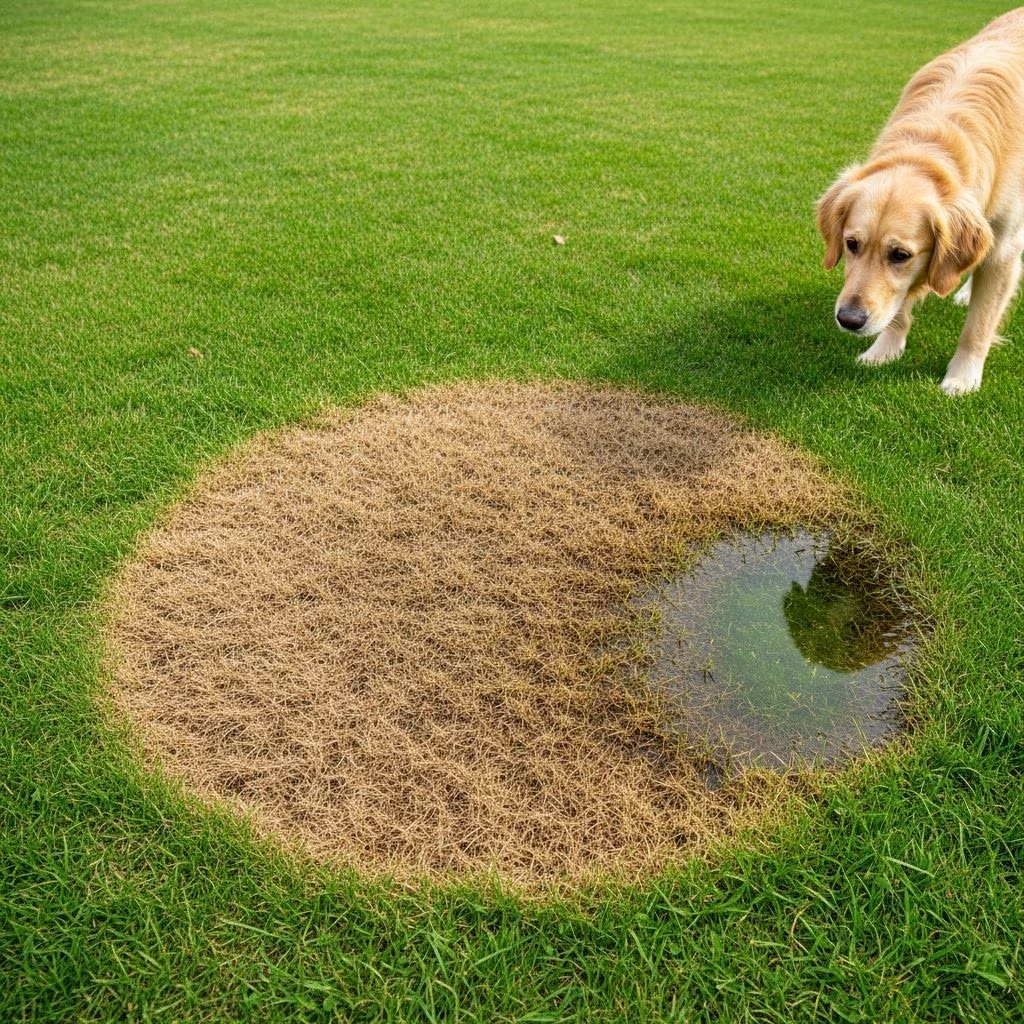
Observing green-colored urine from your dog can be alarming for any pet owner. While normal canine urine ranges from pale yellow to amber, a green tint often points to underlying issues ranging from benign dietary factors to serious medical conditions. Understanding the reasons behind this discoloration helps in deciding whether immediate veterinary intervention is needed. This article breaks down the primary causes, associated symptoms, diagnostic approaches, and treatment strategies to guide you effectively.
Understanding Normal vs. Abnormal Urine Colors in Dogs
Healthy dog urine gets its yellow hue from urochrome, a pigment produced during normal metabolic processes. The color can vary slightly based on hydration levels—darker when concentrated, lighter when dilute. Deviations like green indicate the presence of abnormal pigments or substances not typically filtered into urine.
Green hues specifically arise from compounds like biliverdin, a byproduct of bilirubin oxidation, or bacterial pigments. Bilirubin, derived from red blood cell breakdown, is processed by the liver; excess amounts can spill into urine, altering its color. Sunlight exposure on urine containing bilirubin can further shift it to green via oxidation to biliverdin. Beyond health issues, external factors like dyes can mimic this effect temporarily.
Primary Medical Causes of Green Dog Urine
Several health conditions can lead to green urine. Here’s a detailed look at the most common ones, supported by veterinary insights.
1. Breakdown of Red Blood Cells (Hemolysis)
Hemolysis occurs when red blood cells are destroyed prematurely, releasing hemoglobin that converts to bilirubin. Excess bilirubin overwhelms the liver’s processing capacity, entering the kidneys and tinting urine green. Causes include immune-mediated hemolytic anemia (IMHA), where the body attacks its own cells; toxins from foods like onions, garlic, or grapes; blood parasites such as babesiosis; or cancers affecting blood cells.
Symptoms often accompany this: lethargy, pale gums, rapid breathing, weakness, and jaundice—yellowing of eyes, gums, and skin. Early detection is crucial as untreated hemolysis can lead to organ failure.
2. Liver and Gallbladder Disorders
The liver conjugates bilirubin for excretion via bile. Diseases impairing this function cause buildup in the blood and urine. Conditions include hepatitis (inflammation), cirrhosis (scarring), cancer, or genetic predispositions in breeds like Bedlington Terriers (copper storage disease).
Bile duct obstructions from gallstones, pancreatitis, tumors, or trauma prevent bilirubin flow to the intestines, forcing recirculation. Signs include vomiting, appetite loss, abdominal pain, and jaundice. Chronic cases may show weight loss and fluid accumulation in the abdomen.
3. Bacterial Infections in the Urinary Tract
Certain bacteria produce pigments that directly color urine green. Pseudomonas aeruginosa, a resilient, drug-resistant bacterium common in environments like soil, water, and medical settings, secretes pyocyanin—a blue-green compound. Though it more frequently causes skin or ear infections, urinary tract involvement turns pee vividly green.
Risk factors: catheterization, weakened immunity, or hospital stays. Additional symptoms: frequent urination, straining, blood in urine, fever, and foul odor. This infection demands prompt antibiotics due to resistance.
Non-Medical Reasons for Green-Tinted Urine
Not all green urine spells disaster. Harmless causes include:
- Food Dyes: Ingestion of treats, toys, or human foods with blue/green dyes (e.g., from grass or colored plastics) can pass undigested into urine.
- Medications: Drugs like propofol (anesthesia), methylene blue (diagnostic dye), or others such as amitriptyline may cause temporary discoloration, more noted in humans but possible in dogs post-procedure.
These resolve as the substance clears the system, usually within hours to days, without other symptoms.
Recognizing Accompanying Symptoms
Green urine alone warrants monitoring, but paired symptoms elevate urgency:
| Symptom | Possible Linked Cause |
|---|---|
| Jaundice (yellow skin/eyes) | Hemolysis, liver disease |
| Lethargy, weakness | Hemolysis, infection |
| Vomiting, diarrhea | Liver issues, toxins |
| Increased thirst/urination | Infection, liver dysfunction |
| Straining to urinate | UTI (Pseudomonas) |
Track these alongside urine color changes for a complete picture to share with your vet.
Diagnostic Steps Your Vet Will Take
Veterinarians approach green urine systematically:
- History and Physical Exam: Review diet, meds, recent exposures, and check for jaundice/pain.
- Urinalysis: Detects bilirubin, bacteria, crystals; culture identifies Pseudomonas.
- Blood Tests: Measures liver enzymes (ALT, AST), bilirubin levels, anemia markers.
- Imaging: Ultrasound/X-rays for liver, gallbladder, obstructions.
- Biopsy: If needed, for definitive liver/cancer diagnosis.
These pinpoint the issue efficiently, often same-day for urgent cases.
Treatment Options Based on Cause
Tailored therapies address root problems:
- Hemolysis: Immunosuppressants (steroids), blood transfusions, avoid toxins.
- Liver Disease: Supportive care (IV fluids, antibiotics), diet change (low-protein), surgery for obstructions.
- Infections: Culture-guided antibiotics; severe cases may need hospitalization.
- Benign Causes: Observation, hydration encouragement.
Prognosis varies: dietary issues resolve quickly; advanced liver disease may require lifelong management.
Prevention Strategies for Healthy Urine
Minimize risks through:
- Balanced, toxin-free diet (no onions, grapes).
- Regular vet checkups, especially for at-risk breeds.
- Plenty of fresh water to dilute urine.
- Prompt treatment of infections/UTIs.
- Secure environment free of hazards.
When to Rush to the Vet
Seek immediate care if green urine persists >24 hours, or with any symptoms like collapse, severe lethargy, or jaundice. Delays in hemolysis or infections can be life-threatening. Tele-vet options offer quick initial advice.
Frequently Asked Questions (FAQs)
Is green dog urine always an emergency?
Not always, but it’s rarely normal. Rule out dyes first, but consult a vet promptly for safety.
Can diet alone cause green pee?
Yes, dyes from food/toys can, but monitor for resolution and other signs.
How does Pseudomonas infection spread to urine?
Via contaminated water, surfaces, or ascending from lower tract; common in hospitals.
Will my dog’s green urine go away on its own?
If dietary, yes; medical causes need intervention to prevent complications.
What home tests check urine color causes?
Observe hydration and symptoms; professional urinalysis is essential—avoid OTC human strips.
Final Thoughts on Monitoring Your Dog’s Health
Staying vigilant about urine color empowers proactive care. Green pee, while uncommon, serves as an early warning. Partner with your vet for tailored advice, ensuring your furry friend thrives. Regular routines and awareness keep minor issues from escalating.
References
- Why Is My Dog’s Pee Green? 5 Vet Reviewed Reasons & What to Do — Dogster. 2023. https://www.dogster.com/dog-health-care/why-is-my-dogs-pee-green
- Dog Urine Color Chart: What Specific Shades Mean — Great Pet Care. 2023. https://www.greatpetcare.com/dog-health/dog-urine-color-chart/
- What Does Your Dog’s Urine Color Mean? — Pet Health Network. 2023. https://www.pethealthnetwork.com/dog-health/dog-checkups-preventive-care/what-does-your-dogs-urine-color-mean
- Why is my dog’s pee green, and should I be worried? — Dial A Vet. 2023. https://www.dialavet.com/vet-answers/dog-urine-green-tint-4904
- Discolored urine: What does it mean? — DVM360. 2023. https://www.dvm360.com/view/discolored-urine-what-does-it-mean



