

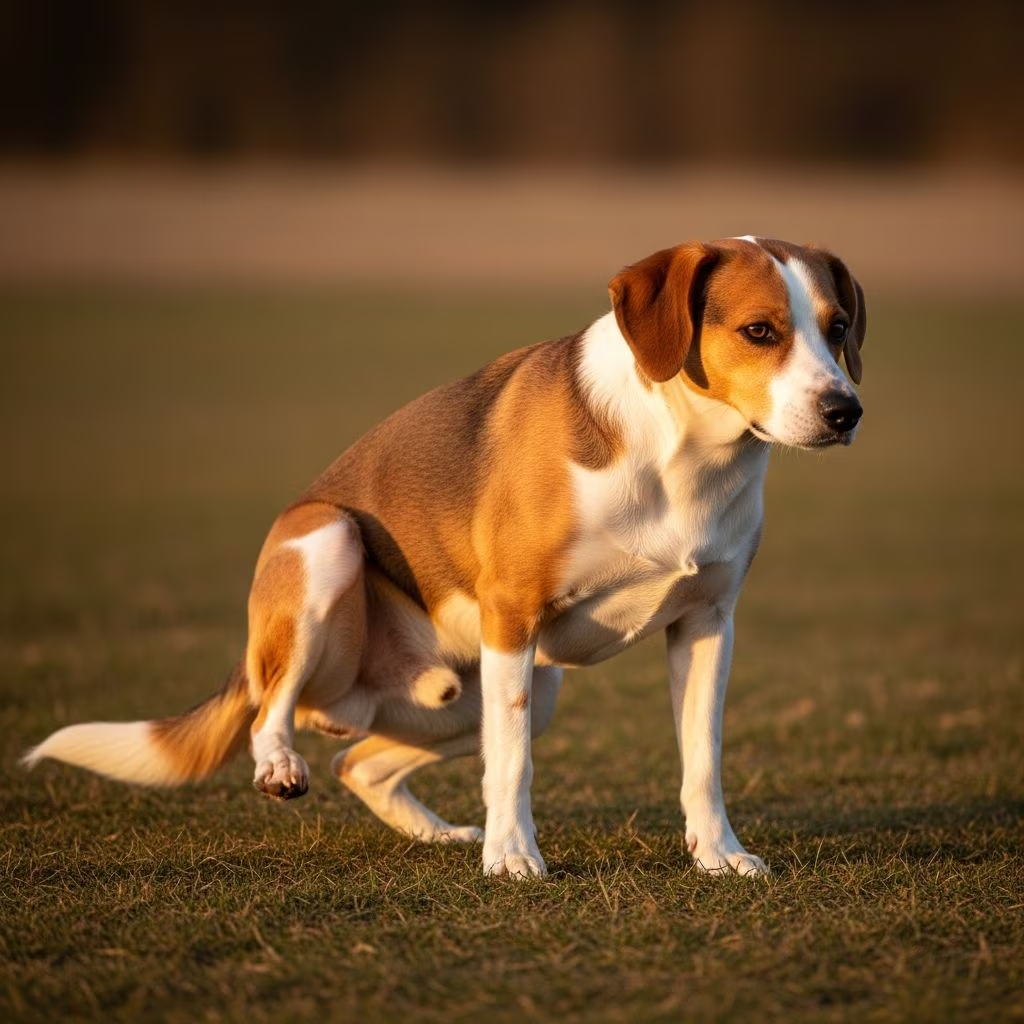
Healthy adult dogs typically urinate **3 to 5 times per day**, though this varies by age, size, diet, and activity. Puppies and small breeds often need more frequent breaks, while seniors may require adjustments due to health changes. Monitoring these patterns helps detect issues early.
Normal Peeing Patterns Across Life Stages
Dogs’ bladder capacity and control evolve with age. Recognizing baselines prevents unnecessary worry and supports routine establishment.
- Puppies: Every 1-2 hours initially, extending to 4-6 hours by 6 months as training progresses.
- Adults: 3-5 outings daily, holding 6-8 hours max during sleep or routine.
- Seniors: May increase to 4-6 times due to weakened muscles or conditions like incontinence.
Small dogs with tiny bladders pee more often than large breeds, which can hold urine longer.
Factors Shaping Urination Habits
Several elements influence how often dogs eliminate. Tracking changes reveals environmental or physiological shifts.
| Factor | Impact on Frequency | Examples |
|---|---|---|
| Hydration | Increases with more water intake | Hot weather, post-exercise drinking |
| Diet | High moisture/protein/sodium boosts output | Wet food, salty kibble |
| Activity | More exercise means more peeing | Walks, play sessions |
| Size/Age | Small/young pee more frequently | Puppies under 6 months |
| Environment | Stress alters patterns | New home, travel |
Consistent access to fresh water maintains balance, but overhydration from illness can signal trouble.
Signs Your Dog’s Peeing Is Too Frequent
Excessive urination, or pollakiuria, demands attention if beyond normal. Watch for clusters of symptoms rather than isolated incidents.
- Straining or discomfort during elimination
- Blood, foul odor, or cloudy urine
- Increased thirst alongside peeing
- Accidents in previously house-trained dogs
- Licking genitals excessively
Sudden shifts, especially in seniors or post-medication, warrant vet checks.
Common Medical Causes of Frequent Peeing
Underlying conditions often drive changes. Early diagnosis improves outcomes.
Urinary Tract Infections (UTIs)
Bacterial invasions like E. coli cause urgent, painful urges. Symptoms include straining, blood-tinged urine, and genital licking. Females and certain breeds (e.g., Miniature Poodles) are prone.
Diabetes Mellitus
Impaired glucose processing leads to dilute urine and thirst. Common in obese females over 7 years; watch for weight loss and lethargy.
Kidney Disease
Reduced filtration causes toxin buildup and frequent voids. Dietary management and meds help, but prevention via nutrition is key.
Hormonal Issues
Conditions like Cushing’s or post-spay incontinence relax sphincters. Larger breeds and neutered females are at risk.
Other Concerns
- Bladder stones/crystals blocking flow
- Pyometra in unspayed females
- Cancer or toxins
Medications (diuretics, steroids) temporarily increase output; consult vets on adjustments.
Behavioral Reasons for Changes
Not all frequency stems from illness. Anxiety, excitement, or marking spikes output.
- Stress: New environments or visitors prompt submissive peeing.
- Marking: Intact males/females scent territory frequently.
- Excitement: Overstimulation leads to leaks.
Rule out medical causes first via urinalysis.
Training Tips for Reliable Schedules
Build bladder control through consistency, rewarding successes.
- Feed on schedule; potty 15-30 minutes post-meal.
- Take out after naps, play, and mornings/evenings.
- Use cues like “go potty” with praise/treats.
- Supervise to prevent indoor accidents.
Crate training aids puppies by leveraging natural aversion to soiling dens. Gradually extend intervals.
When to Seek Veterinary Help
Act promptly on red flags: inability to urinate (emergency blockage), combined symptoms, or pattern shifts lasting 24+ hours. Vets use exams, bloodwork, and imaging for diagnosis.
FAQs
How long can a healthy dog hold its pee?
Adults: 6-8 hours; puppies: 1-4 hours based on age.
Does breed affect peeing frequency?
Yes, small breeds need more trips; some like Corgis prone to UTIs.
Can diet reduce excessive peeing?
Balanced, low-sodium formulas with fiber help regulate.
Is frequent peeing always serious?
No, but persistent cases need vet evaluation to exclude diseases.
How to monitor urine at home?
Check color (pale yellow normal), volume, and odor daily.
References
- How Long Can a Dog Go Without Peeing? — Heart of Chelsea. 2023. https://heartofchelsea.com/blog/how-long-can-a-dog-go-without-peeing/
- How Long Can a Dog Go Without Peeing? — Mills Animal Hospital. 2024. https://millsanimalhospital.com/blog/how-long-can-a-dog-go-without-peeing/
- Why Is My Dog Peeing So Much – Frequent Urination In Dogs — WagWalking. 2023. https://wagwalking.com/condition/frequent-urination
- Why Is My Dog Peeing So Much? 7 Possible Reasons — Pet Honesty. 2024. https://www.pethonesty.com/blogs/blog/why-is-my-dog-peeing-so-much-7-possible-reasons-you-should-know
- Excessive Urination in Dogs: Recognizing Emergency Signs — GSVS. 2023. https://gsvs.org/blog/dog-excessive-urination-emergency/
- How Long Can a Dog Go Without Peeing Before It Is Dangerous? — Loveland Regional. 2024. https://lovelandregional.com/blog/how-long-can-a-dog-go-without-peeing-before-it-is-dangerous/
- Excessively Frequent Urination (Pollakiuria) in Dogs — Vetster. 2024. https://vetster.com/en/symptoms/dog/excessively-frequent-urination-pollakiuria



