

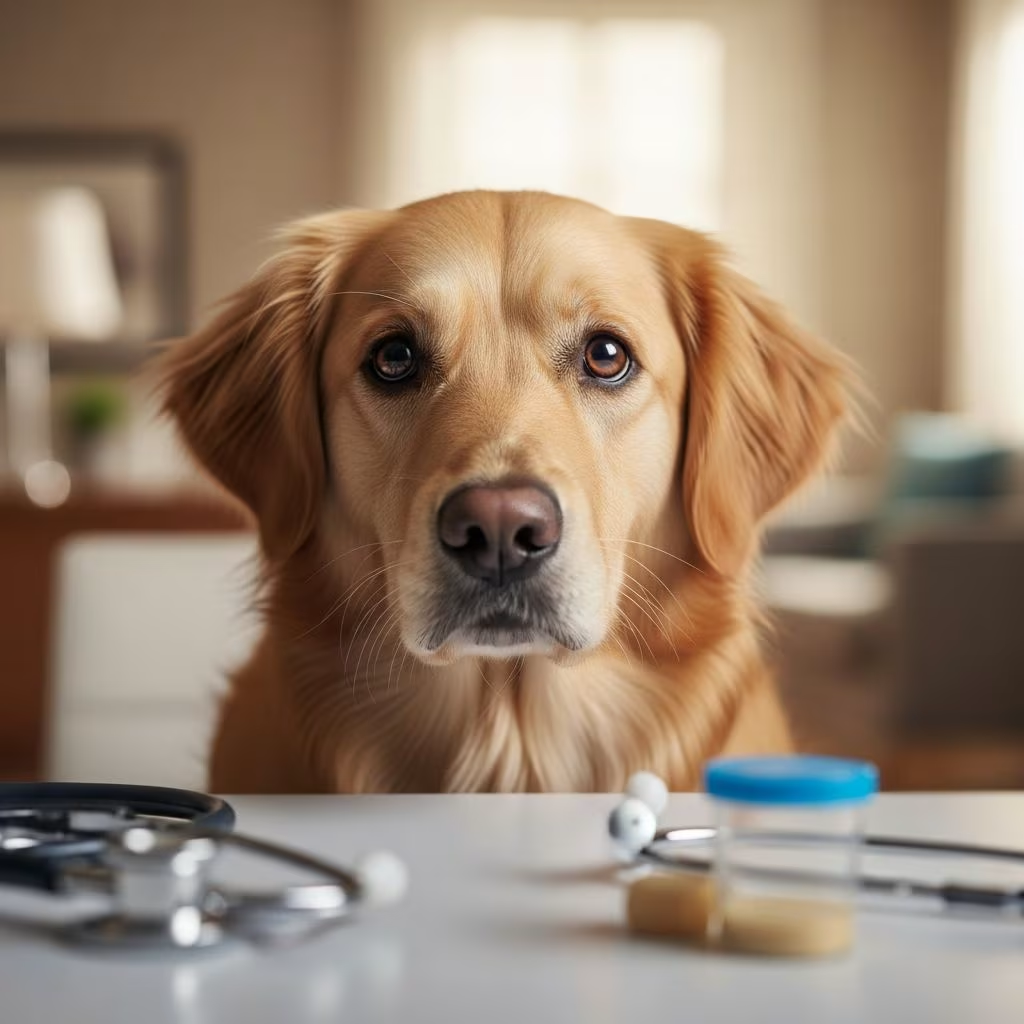
Urinary tract infections represent one of the most frequently diagnosed health conditions affecting dogs across all age groups and breeds. These infections develop when bacteria enter the urinary system and establish themselves in the bladder, causing inflammation and discomfort. Pet owners often become alarmed when their dogs begin displaying unusual bathroom behaviors, yet many cases of urinary tract infections respond exceptionally well to prompt veterinary intervention and appropriate antimicrobial therapy. Understanding the mechanisms behind these infections, recognizing the warning signs, and knowing when to seek professional care can make a significant difference in your dog’s recovery and long-term urinary health.
Recognizing the Warning Signs of Bladder Infections
Dogs experiencing urinary tract infections typically exhibit a cluster of behavioral and physical changes that warrant immediate veterinary attention. The most prominent indicator involves a noticeable increase in bathroom frequency, with affected dogs requesting outdoor access far more often than their normal routine. During these frequent trips outside, owners frequently observe that their dogs produce only minimal quantities of urine despite the apparent urgency to urinate.
The discomfort associated with these infections often manifests as visible distress during urination. Dogs may whimper, whine, or display other pain-related behaviors when passing urine. Additionally, some pets develop issues with household soiling, particularly dogs that previously maintained excellent house training. This regression in bathroom habits represents a significant red flag indicating potential underlying medical issues.
Observable changes to the urine itself provide another diagnostic clue. The presence of blood in the urine, visible cloudiness, or an unusually strong unpleasant odor all suggest possible urinary tract involvement. Some dogs develop excessive licking behaviors focused on the genital region, which indicates discomfort or irritation in that area.
Beyond the urinary symptoms, dogs may display broader signs of illness including decreased appetite, lethargy, or behavioral changes. Increased thirst and corresponding increases in water consumption sometimes accompany urinary infections. In more serious cases where infections have progressed to involve the kidneys, dogs may develop fever, vomiting, or severe lethargy requiring immediate emergency veterinary care.
Understanding How Infections Develop
The typical pathway for urinary tract infections begins when bacteria from the dog’s own body gain access to the urinary system. Most commonly, these microorganisms originate from the skin surface or the gastrointestinal tract. The bacteria travel upward through the urethra—the tube that carries urine from the bladder out of the body—and establish themselves within the bladder environment.
Under normal circumstances, urine within the bladder remains sterile and inhospitable to bacterial growth. However, once bacteria successfully colonize the bladder, they begin reproducing rapidly, overwhelming the bladder’s natural defense mechanisms. This bacterial proliferation triggers inflammation of the bladder walls, which accounts for the painful urination, frequent urination, and other clinical signs observed in affected dogs.
Several bacterial species commonly cause urinary tract infections in dogs. E. coli ranks as the most frequent culprit, though other organisms including Enterococcus, Enterobacter, Proteus species, Staphylococcus, Streptococcus, Pseudomonas, and Corynebacterium can also cause infections. Occasionally, viral or fungal organisms may be responsible, though these causes remain relatively uncommon compared to bacterial infections.
The pathway bacteria take to reach the bladder typically involves ascending the urethra rather than spreading through the bloodstream. However, in certain circumstances, particularly when infections go untreated, bacteria can eventually reach the kidneys through the ureters, causing more serious kidney infections with potentially severe consequences for overall health.
Identifying Risk Factors and Susceptibility Patterns
Certain dogs face significantly higher risks of developing urinary tract infections due to anatomical variations, underlying medical conditions, or medications that compromise immune function. Understanding these risk factors helps pet owners recognize when their dogs require more vigilant monitoring for urinary health concerns.
Anatomical abnormalities represent a substantial risk category. Female dogs with excessive skin folds around the vulva or hooded vulvas experience increased susceptibility because urine can become trapped in these skin folds, creating an environment where bacteria thrive. Male dogs with prostate disease face elevated infection risks due to compromised urinary flow and tissue inflammation.
Several systemic medical conditions predispose dogs to urinary infections. Diabetes mellitus alters urine composition, creating conditions favorable for bacterial growth. Cushing’s disease, which affects adrenal hormone production, suppresses immune function and increases infection susceptibility. Bladder stones directly damage bladder tissue and obstruct urine flow, both of which facilitate infection development. Kidney disease impairs the kidney’s ability to concentrate urine and maintain normal urinary defenses.
Neurological issues including intervertebral disc disease can impair a dog’s ability to empty the bladder completely, leaving residual urine that bacteria can colonize. Cancer affecting the urinary tract or nearby organs creates tissue damage and compromises normal urinary function. Dogs experiencing urinary or fecal incontinence have increased risks because they cannot maintain normal urine flow patterns and may develop abnormal urine pooling.
Immunosuppressive medications prescribed for other health conditions reduce the body’s ability to fight bacterial infections. Senior dogs naturally experience age-related declines in immune function, explaining why urinary tract infections occur more frequently in aging canines. Female dogs statistically develop infections more often than males due to anatomical differences in the urethra.
Complications That Arise From Untreated Infections
Leaving urinary tract infections untreated poses serious risks to your dog’s health and comfort. When bacteria remain unchecked within the bladder, they continue proliferating and can ascend the ureters toward the kidneys. Kidney infections represent a substantially more serious condition than simple bladder infections, with potential for permanent organ damage and systemic illness.
Additionally, certain bacterial infections can alter the pH of urine, creating conditions that promote bladder stone formation. The development of these mineral deposits adds another layer of complexity to treatment and can cause additional urinary obstruction and tissue damage.
The longer bacteria persist in the urinary tract, the greater the inflammatory response becomes, potentially leading to scarring and permanent functional changes in the bladder. In severe cases, untreated infections can progress to urosepsis—a life-threatening condition where bacteria and their toxins enter the bloodstream and cause systemic infection.
Diagnostic Approaches and Veterinary Evaluation
When you bring your dog to the veterinarian with suspected urinary tract infection, the diagnostic process typically begins with a thorough history and physical examination. Your veterinarian will discuss your dog’s symptoms, bathroom habits, and any recent health changes.
Urinalysis represents the primary diagnostic tool for confirming urinary tract infections. This laboratory test examines urine samples for the presence of white blood cells, red blood cells, bacteria, crystals, and other abnormalities. Urine culture, which involves growing bacteria from the sample in the laboratory, identifies the specific bacterial species causing the infection and determines which antibiotics will prove most effective against that particular organism.
Ultrasound imaging of the bladder and kidneys allows the veterinarian to visualize the urinary tract structure, identify stones, assess kidney function, and rule out anatomical abnormalities. In some cases, particularly when infections recur frequently or fail to respond to treatment, additional diagnostic testing may be warranted to identify underlying conditions contributing to infection development.
Treatment Strategies and Recovery Timeline
The primary treatment approach for bacterial urinary tract infections involves appropriate antibiotic therapy. Once your veterinarian has identified the bacterial species through culture testing, they select an antibiotic that demonstrates effectiveness against that specific organism. Most dogs respond well to appropriate antibiotic treatment when therapy begins promptly.
The typical antibiotic course lasts between one and two weeks, though some cases may require extended treatment depending on infection severity and individual patient factors. It remains critically important to complete the entire prescribed course of antibiotics, even if your dog’s symptoms resolve earlier. Prematurely discontinuing antibiotics allows surviving bacteria to repopulate and may result in treatment failure or the development of antibiotic-resistant strains.
Supportive care measures complement antibiotic therapy. Ensuring your dog has frequent opportunities to urinate helps flush bacteria from the urinary system. Increasing water intake dilutes the urine and creates conditions less favorable for bacterial growth. Some dogs benefit from prescription urinary tract diets formulated to support bladder health and promote normal urine pH.
Follow-up urinalysis after completing antibiotic treatment confirms that the infection has fully resolved. Some veterinarians recommend repeat urine cultures to ensure bacteria have been completely eliminated, particularly in dogs with recurrent infections or those with underlying predisposing conditions.
Prevention Strategies for Long-Term Urinary Health
Maintaining your dog’s urinary tract health requires a multi-faceted approach combining good hygiene practices, appropriate preventive care, and management of underlying health conditions.
Promote Regular Urination: Ensure your dog has frequent opportunities to urinate throughout the day. Regular outdoor access allows proper bladder emptying and reduces the time bacteria remain in the urinary system.
Maintain Proper Hydration: Encourage adequate water consumption to promote dilute urine that is less conducive to bacterial growth. Clean, fresh water should always be available.
Support Immune Function: A balanced diet rich in appropriate nutrients supports overall immune health. Discuss nutritional optimization with your veterinarian.
Manage Underlying Conditions: Proactive management of conditions like diabetes, Cushing’s disease, or bladder stones reduces infection risk significantly.
Female Genital Hygiene: For female dogs, gentle regular cleaning of the genital area and careful drying after swimming or bathing helps prevent bacterial accumulation.
Weight Management: Maintaining a healthy body weight supports overall health and reduces stress on the urinary system.
Regular Veterinary Checkups: Routine wellness visits allow early detection of conditions that increase infection susceptibility.
Frequently Asked Questions About Canine Urinary Infections
How quickly do urinary tract infection symptoms develop? Symptoms may appear within days of bacterial colonization. Some dogs develop signs very rapidly, while in others symptoms progress more gradually. In asymptomatic infections, no obvious signs appear despite bacterial presence.
Can dogs recover from UTIs without antibiotics? While some mild uncomplicated infections might theoretically resolve without treatment, this is unreliable and risks serious complications. Veterinary treatment with appropriate antibiotics provides the safest path to complete resolution.
How long does treatment typically take? Most cases respond to one to two weeks of antibiotic therapy. Complicated infections or those involving underlying conditions may require extended treatment.
Are certain dog breeds more prone to UTIs? While any breed can develop urinary infections, female dogs and those with anatomical variations of the vulva face higher risks. Senior dogs also develop infections more frequently.
Can UTIs be prevented entirely? While complete prevention may not be possible for all dogs, especially those with predisposing conditions, risk reduction through proper hydration, regular urination opportunities, and management of underlying diseases is effective.
What is the difference between a bladder infection and a kidney infection? Bladder infections (cystitis) affect the bladder specifically, while kidney infections (pyelonephritis) involve the kidneys and are more serious. Untreated bladder infections can progress to kidney infections.
When to Seek Emergency Veterinary Care
Most uncomplicated urinary tract infections do not constitute medical emergencies, but certain situations require immediate veterinary attention. If your dog displays signs of kidney infection including fever, vomiting, severe lethargy, or abdominal pain, emergency care is warranted. Complete inability to urinate despite apparent urgency also represents an emergency, as urinary obstruction can be life-threatening.
Any dog showing signs of severe systemic illness alongside urinary symptoms should receive immediate evaluation. Additionally, if your dog has been treated for a UTI but symptoms persist or worsen despite antibiotic therapy, prompt follow-up veterinary care is essential.
Your dog’s health and comfort should be the primary concern guiding treatment decisions. By recognizing the signs of urinary tract infections early, seeking prompt veterinary care, and implementing appropriate preventive measures, you can help ensure your dog maintains optimal urinary tract health throughout their life.
References
- Urinary Tract Infections (UTIs) in Dogs — VCA Animal Hospitals. 2024. https://vcahospitals.com/know-your-pet/urinary-tract-infections-utis-in-dogs
- Urinary tract infections — Cornell University College of Veterinary Medicine, Riney Canine Health Center. 2024. https://www.vet.cornell.edu/departments-centers-and-institutes/riney-canine-health-center/canine-health-topics/urinary-tract-infections
- UTI in Dogs: Signs, Causes, and Treatment — PetMD. 2024. https://www.petmd.com/dog/conditions/urinary/uti-dogs-signs-causes-and-when-call-your-vet
- Urinary Tract Infection (UTI) in Dogs — Neighborhood Veterinary Clinic. 2024. https://www.neighborhoodvetclinic.com/urinary-tract-infection-uti-in-dogs/
- UTI in Dogs: Knowing the Signs + Potential Treatment Options — Bond Vet. 2024. https://bondvet.com/blog/uti-in-dogs-symptoms-diagnosis-and-treatment



