

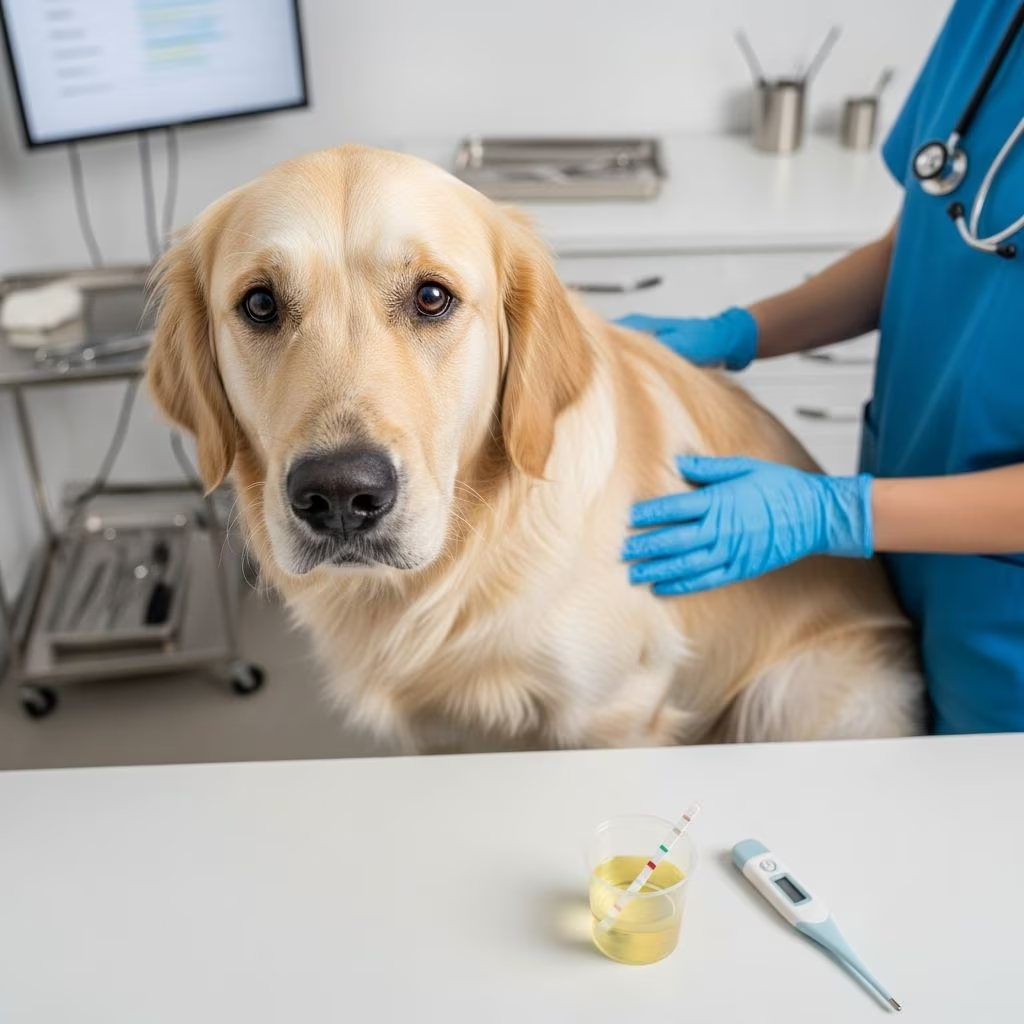
Urinary tract infections (UTIs) are common in dogs, affecting approximately 27% of them at some point in their lives, often due to bacterial causes but also other factors like stones or underlying diseases.
What Is a UTI in Dogs?
A urinary tract infection in dogs occurs when harmful bacteria, typically E. coli, enter the urinary tract and multiply, leading to inflammation and discomfort in the bladder, urethra, or kidneys. While bacterial infections are most prevalent, non-bacterial causes such as crystals, stones, or systemic conditions can mimic or contribute to UTI symptoms. Early detection is crucial as untreated UTIs can ascend to the kidneys, causing pyelonephritis, a potentially life-threatening condition.
Female dogs are more prone due to their shorter urethras, but males can also be affected, especially if neutered later in life or with prostate issues. Senior dogs, those with diabetes, Cushing’s disease, or weakened immune systems face higher risks.
Symptoms of UTI in Dogs
Recognizing UTI symptoms early allows for prompt veterinary intervention. Common signs include:
- Frequent urination: Small amounts more often, sometimes indoors despite house training.
- Straining to urinate: Appears painful or effortful, with cries or whining.
- Blood in urine (hematuria): Pink, red, or brown-tinged urine.
- Foul-smelling urine: Strong, ammonia-like odor indicating bacterial overgrowth.
- Accidents in the house: Incontinence or dribbling, especially in older dogs.
- Licking genital area excessively: Due to irritation and discomfort.
- Lethargy or fever: In advanced cases signaling kidney involvement.
These symptoms can overlap with other conditions like urinary stones or diabetes, underscoring the need for professional diagnosis.
Causes of Urinary Tract Infections in Dogs
While bacteria cause most UTIs, several factors predispose dogs:
- Bacterial infections: Ascending from the skin or genitals, often E. coli.
- Urinary stones or crystals: Irritate the tract, promoting bacterial growth.
- Bladder inflammation (cystitis): Non-infectious irritation leading to secondary infections.
- Weak bladder or incontinence: Allows urine retention and bacterial proliferation.
- Underlying diseases: Kidney disease, prostate issues, spinal cord problems, cancer, diabetes, or Cushing’s.
- Fungal or viral infections: Rare but possible in immunocompromised dogs.
Dogs with dilute urine from increased thirst (polydipsia) may show false negatives on initial tests, necessitating culture confirmation.
Diagnosis of UTI in Dogs
Veterinarians diagnose UTIs through a multi-step process:
- Urinalysis: Checks for bacteria, white blood cells, blood, crystals, or pH changes. First-line screening.
- Urine culture and sensitivity: Gold standard; identifies specific bacteria and effective antibiotics, taking 24-48 hours.
- Imaging: X-rays or ultrasound detect stones, tumors, or structural issues.
- Bloodwork: Screens for diabetes, kidney function, or Cushing’s.
- Cystoscopy: Rare, for direct bladder visualization in recurrent cases.
For recurrent UTIs, additional tests address underlying causes to prevent reinfection.
Treatment for UTI in Dogs
Treatment targets the infection and any underlying issues, tailored via diagnostics. Most dogs improve within days but require full courses.
Antibiotics
Primary treatment for bacterial UTIs. Vets start with broad-spectrum antibiotics (e.g., amoxicillin) while awaiting culture results, then adjust for sensitivity. Courses last 7-14 days for uncomplicated cases, up to 4-6 weeks for complicated ones. Completing the full prescription prevents resistance and recurrence.
Pain Management and Anti-Inflammatories
UTIs cause significant pain; vets prescribe NSAIDs like carprofen or stronger analgesics for severe cases. These reduce inflammation and improve comfort.
Dietary Modifications
Prescription diets acidify urine, dissolve struvite stones, or promote hydration via increased water intake. Supplements like cranberry extracts or probiotics support urinary health, but consult vets first.
Treatment for Underlying Conditions
Manage diabetes, Cushing’s, or prostate disease to halt recurrences. Chemical castration or medications slow prostate issues; tumor treatments vary.
Surgery
For persistent stones, surgical removal (cystotomy) is effective, with recovery in 1-2 weeks. Stone analysis guides prevention.
Urethral Sphincter Medications
Drugs like phenylpropanolamine tighten the urethra in incontinence cases without other causes.
Bladder Support Supplements
Antioxidants, probiotics, and prebiotics bolster gut and urinary flora. Always vet-approved to avoid interactions.
In severe cases, hospitalization with IV fluids aids recovery.
Recovery and Prognosis
With prompt treatment, prognosis is excellent; most dogs recover fully in days to weeks. Recheck urinalysis confirms clearance. Recurrent UTIs signal unresolved issues needing further investigation. Rest, hydration, and avoiding strenuous activity aid healing.
Preventing UTIs in Dogs
Proactive steps reduce risk:
- Encourage frequent urination and ample fresh water.
- Maintain ideal weight to avoid diabetes or incontinence.
- Regular vet check-ups for seniors or at-risk breeds.
- Hygienic practices: Wipe females post-urination; neuter males timely.
- Urinary health diets or supplements as recommended.
Monitor for early symptoms to intervene swiftly.
When to See a Vet for Dog UTI
Seek immediate care for any UTI signs, especially blood, straining, or lethargy. Delays risk kidney damage. Recurrent issues warrant full workup.
Frequently Asked Questions (FAQs)
Can I give my dog something at home for a UTI?
No, do not self-treat. Antibiotics require prescription based on culture; home remedies like cranberry may help mildly but aren’t substitutes.
How long does it take for a dog UTI to clear up?
Improvement in 2-3 days with antibiotics; full resolution in 7-14 days. Rechecks ensure success.
Are female dogs more prone to UTIs?
Yes, due to shorter urethras allowing easier bacterial ascent.
Can diet prevent dog UTIs?
Yes, specialized diets alter urine pH and reduce stones, promoting prevention.
What if my dog’s UTI keeps coming back?
Investigate underlying causes like stones, diabetes, or anatomy via advanced tests.
References
- Urinary Tract Infection in Dogs — Animal Hospital of Clemmons. 2020-12-18. https://www.animalhospitalofclemmons.com/site/veterinary-pet-care-blog/2020/12/18/urinary-tract-infection-in-dogs
- Urinary Tract Infection (UTI) in Dogs — Neighborhood Veterinary Clinic. N/A. https://www.neighborhoodvetclinic.com/urinary-tract-infection-uti-in-dogs/
- Dog Urinary Tract Infection Treatment — Hunters Animal Hospital. 2023-09-30. https://www.huntersanimalhospital.com/site/blog/2023/09/30/dog-urinary-tract-infection-treatment
- UTI in Dogs: Knowing the Signs + Potential Treatment Options — Bond Vet. N/A. https://bondvet.com/blog/uti-in-dogs-symptoms-diagnosis-and-treatment
- The Drips and Drops of Urinary Tract Infection in Dogs — Morris Animal Foundation. N/A. https://www.morrisanimalfoundation.org/article/urinary-tract-infection-golden-retriever
- Urinary Tract Infections (UTIs) in Dogs — VCA Animal Hospitals. N/A. https://vcahospitals.com/know-your-pet/urinary-tract-infections-utis-in-dogs
- Urinary Tract Infections — Cornell University College of Veterinary Medicine. N/A. https://www.vet.cornell.edu/departments-centers-and-institutes/riney-canine-health-center/canine-health-topics/urinary-tract-infections



