

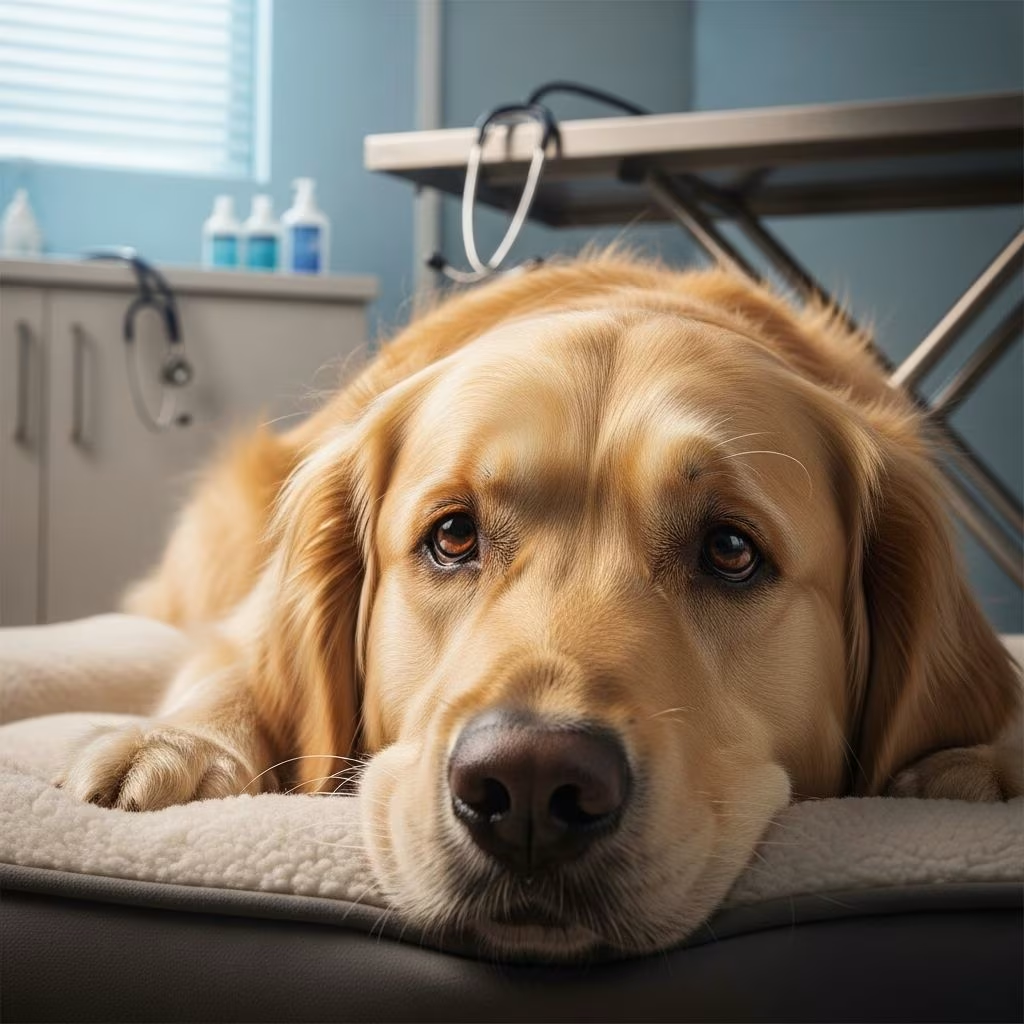
Understanding Urinary Tract Infections in Dogs
Urinary tract infections (UTIs) are a common health concern for dog owners, affecting approximately 27% of dogs at some point in their lives. These infections can cause significant discomfort and, if left untreated, may progress to more serious kidney infections. Understanding the causes, symptoms, and available treatment options is essential for maintaining your dog’s urinary health and overall well-being.
What Causes Urinary Tract Infections in Dogs?
While bacterial infections account for a large percentage of UTIs in dogs, several other factors can contribute to the development of these uncomfortable conditions. Understanding the underlying causes is crucial because treatment often depends on addressing the root problem.
Common Causes of Canine UTIs
- Bacterial infection: The most common cause of UTIs in dogs, typically requiring antibiotic treatment.
- Viral infection: Less common than bacterial causes but can still lead to urinary tract problems.
- Fungal infection: Occasional cause of UTIs that may require specialized treatment.
- Urinary stones and crystals: Mineral deposits that can irritate the bladder and urethra.
- Bladder inflammation: Can occur independently or as a secondary condition.
- Weak bladder: Some dogs may have structural weaknesses affecting urine retention.
- Kidney disease: Underlying kidney problems can predispose dogs to UTIs.
- Spinal cord disease: Neurological issues can affect bladder function and control.
- Prostate disease: In male dogs, prostate conditions can contribute to urinary problems.
- Cancer: Tumors in the bladder or surrounding areas may cause infection-like symptoms.
Recognizing Symptoms of UTIs in Dogs
Early identification of UTI symptoms can help you seek prompt veterinary care and prevent complications. Dogs with urinary tract infections typically display several noticeable behavioral and physical changes.
Key Warning Signs
- Frequent urination: Your dog may need to urinate more often than usual.
- Straining to urinate: Visible discomfort or difficulty when attempting to pass urine.
- Blood in urine: Pink, red, or darker-colored urine indicates possible infection.
- Foul-smelling urine: A strong, unpleasant odor that differs from normal urine.
- Increased thirst: Dogs may drink more water as their body attempts to flush out the infection.
- Asking to go outside frequently: More frequent bathroom requests, sometimes urgently.
- Incontinence: Accidents in the house, particularly in house-trained dogs.
How Veterinarians Diagnose UTIs
Proper diagnosis is essential because the treatment approach depends on identifying the underlying cause of your dog’s symptoms. Your veterinarian will employ various diagnostic methods to confirm a UTI and determine the best course of treatment.
Diagnostic Procedures
Urinalysis: The primary diagnostic tool, this test examines a urine sample for signs of infection, including bacteria, white blood cells, and red blood cells. However, diluted urine from increased drinking can occasionally result in false negatives, which is why additional testing may be necessary.
Urine Culture and Sensitivity Testing: This test identifies the specific bacteria causing the infection and determines which antibiotics will be most effective. Culture results typically take several days but are crucial for selecting the appropriate medication and preventing antibiotic resistance.
Additional Diagnostic Tests: If your dog has recurrent UTIs or severe symptoms, your veterinarian may recommend blood work, X-rays, ultrasounds, or other imaging to identify underlying health conditions contributing to the infections.
Treatment Options for Canine UTIs
The treatment strategy for your dog’s UTI will be tailored to the underlying cause and severity of the infection. Several treatment approaches may be used individually or in combination to effectively resolve the infection and prevent recurrence.
Antibiotic Therapy
Initial treatment: Your veterinarian will typically prescribe a broad-spectrum antibiotic effective against common bacteria to provide immediate relief while awaiting culture results. Improvement is often noticeable within a couple of days.
Adjusted treatment: Once culture and sensitivity results are available, your vet may switch to a more targeted antibiotic if the initial medication is not ideal for the specific bacteria identified.
Duration: Uncomplicated UTIs usually require a seven-day course of antibiotics, while complicated UTIs may require four weeks of treatment with close monitoring. It is critical to complete the entire prescribed course, even if symptoms resolve, to prevent reinfection and reduce the risk of antibiotic resistance.
Pain Management and Anti-Inflammatory Medication
UTIs can be extremely painful for dogs. Veterinarians often prescribe anti-inflammatory medications to reduce discomfort and bladder inflammation. In more severe cases, stronger pain medications administered by injection may be necessary to keep your dog comfortable during recovery.
Dietary Modifications
Specialized prescription diets can play an important role in managing certain types of UTIs, particularly those involving urinary stones or crystals. These diets are formulated to alter urine acidity and prevent crystal formation, thereby reducing bladder inflammation. Additionally, supplements may encourage your dog to drink more water, which helps dilute the urine and supports the body’s natural flushing mechanism.
Supportive Care
For severe infections, your veterinarian may recommend IV fluids and hospitalization to provide intensive support while the infection is treated. Rest and avoiding strenuous activities during recovery are also important for allowing your dog’s body to heal.
Surgical Intervention
Large urinary stones that persist despite dietary modifications may require surgical removal. Dogs generally tolerate this procedure well and typically show improvement within 1-2 weeks. In some cases, removed stones can be analyzed to determine the most appropriate ongoing prevention strategy.
Urethral Sphincter Medication
For dogs experiencing urinary incontinence without a detectible underlying cause, your veterinarian may prescribe medication to help strengthen and tighten the urethra, improving urine control.
Bladder Support Supplements
Antioxidant, probiotic, and prebiotic supplements may benefit dogs with chronic or recurrent UTIs by supporting healthy gut bacteria and improving overall gut lining health. Always consult your veterinarian before starting any supplement to prevent potential drug interactions.
Addressing Underlying Health Conditions
If your dog has an underlying medical condition such as diabetes or Cushing’s disease, treatment will focus on managing these conditions to prevent recurring urinary tract infections. Some conditions, like prostate disease, may be controlled through chemical or surgical castration, while bladder tumors may be treated with medications to slow growth.
Post-Treatment Follow-Up
Following completion of antibiotic therapy, it is essential to have your dog’s urine rechecked to confirm the infection has been completely resolved. Some dogs, particularly those with underlying health conditions or recurrent UTIs, may require a longer course of antibiotics or additional follow-up testing. Your veterinarian will provide specific instructions based on your individual dog’s situation.
Prevention and Prognosis
The prognosis for dogs with UTIs is generally excellent when appropriate treatment is provided promptly. Most dogs respond well to antibiotics and show significant improvement within a few days. However, leaving a UTI untreated can allow the infection to progress to a more serious kidney infection, which is more difficult to treat and potentially life-threatening.
Frequently Asked Questions
Q: How long does it take to treat a dog’s UTI?
A: Most dogs show improvement within a couple of days of starting antibiotics, with uncomplicated UTIs typically requiring seven days of treatment. More complex cases may require four weeks of antibiotic therapy with close veterinary monitoring.
Q: Can UTIs in dogs be prevented?
A: While not all UTIs can be prevented, ensuring your dog stays well-hydrated, maintaining a healthy diet, and promptly treating any underlying health conditions can help reduce the risk. Regular veterinary check-ups are also important for early detection.
Q: What happens if I don’t complete the full antibiotic course?
A: Stopping antibiotics early can lead to reinfection that may be harder to treat and can contribute to antibiotic-resistant bacteria. It’s crucial to complete the entire prescribed course even if symptoms resolve.
Q: Are female dogs more prone to UTIs than males?
A: While the search results indicate UTIs affect about 27% of dogs overall, certain anatomical factors may influence susceptibility. Your veterinarian can discuss risk factors specific to your dog.
Q: Should I give my dog supplements for UTI prevention?
A: Some dogs may benefit from probiotic and prebiotic supplements to support gut health and reduce UTI recurrence. However, always consult your veterinarian before starting any supplement to ensure safety and prevent drug interactions.
Q: What should I do if my dog keeps getting UTIs?
A: Recurrent UTIs often indicate an underlying health condition that needs to be addressed. Your veterinarian may recommend additional diagnostics such as blood work, imaging, and specialized testing to identify the root cause.
References
- Urinary Tract Infection in Dogs — Animal Hospital of Clemmons. https://www.animalhospitalofclemmons.com/site/veterinary-pet-care-blog/2020/12/18/urinary-tract-infection-in-dogs
- Urinary Tract Infection (UTI) in Dogs — Neighborhood Veterinary Clinic. https://www.neighborhoodvetclinic.com/urinary-tract-infection-uti-in-dogs/
- The Drips and Drops of Urinary Tract Infection in Dogs — Morris Animal Foundation. https://www.morrisanimalfoundation.org/article/urinary-tract-infection-golden-retriever
- UTI in Dogs: Knowing the Signs + Potential Treatment Options — Bond Vet. https://bondvet.com/blog/uti-in-dogs-symptoms-diagnosis-and-treatment
- Urinary Tract Infections (UTIs) in Dogs — VCA Animal Hospitals. https://vcahospitals.com/know-your-pet/urinary-tract-infections-utis-in-dogs
- Urinary Tract Infections — Cornell University College of Veterinary Medicine, Riney Canine Health Center. https://www.vet.cornell.edu/departments-centers-and-institutes/riney-canine-health-center/canine-health-topics/urinary-tract-infections



