

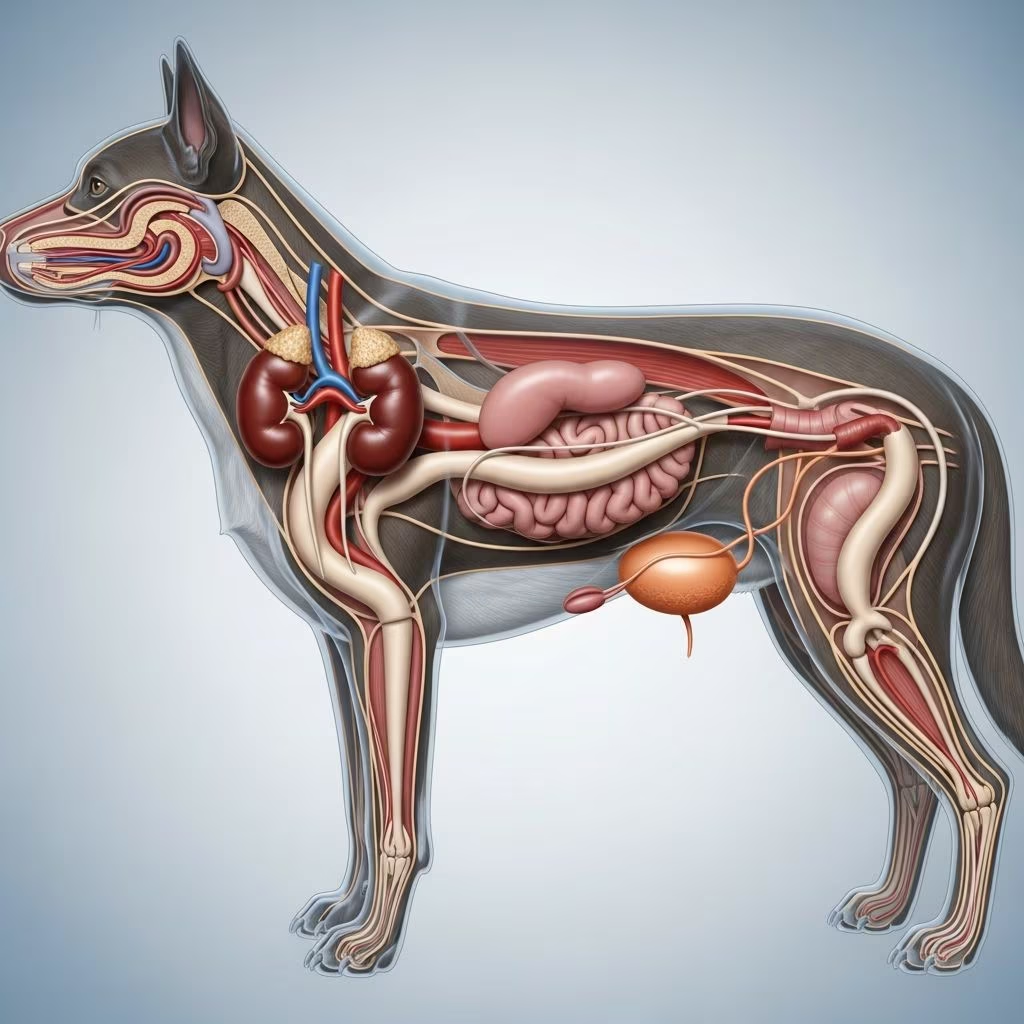
The urinary system in dogs is a vital network responsible for filtering waste, regulating fluids, and maintaining overall balance in the body. Comprising kidneys, ureters, bladder, and urethra, it ensures toxins are removed while preserving essential substances.
Core Components of the Canine Urinary Anatomy
Dogs possess a sophisticated urinary setup designed for efficiency. The kidneys act as primary filters, processing blood to produce urine. Ureters transport this urine to the bladder for storage, and the urethra expels it.
- Kidneys: Paired organs located in the abdominal cavity near the spine, each with an outer cortex for filtration and inner medulla for concentration.
- Ureters: Narrow muscular tubes using peristalsis to move urine unidirectionally to the bladder.
- Bladder: Muscular sac that expands to hold urine until voluntary release.
- Urethra: Exit tube, longer and narrower in males, shorter in females, influencing infection risks.
Key Functions Beyond Waste Removal
While eliminating metabolic byproducts like urea is primary, the system performs multifaceted roles. It balances water and electrolytes, produces hormones for blood pressure and red blood cell production, activates vitamin D, and stabilizes pH levels.
| Function | Description | Key Organs Involved |
|---|---|---|
| Waste Excretion | Removes toxins from protein metabolism | Kidneys |
| Fluid Balance | Regulates hydration and electrolyte levels | Kidneys, Bladder |
| Hormone Production | Erythropoietin for RBCs, Renin for BP | Kidneys |
| pH Regulation | Maintains acid-base homeostasis | Kidneys |
| Vitamin D Activation | Converts to active calcitriol for calcium | Kidneys |
Inside the Kidneys: Filtration Process
Each kidney contains over a million nephrons, the functional units. Blood enters via renal arteries, gets filtered in glomeruli within the cortex, producing ultrafiltrate. This passes through proximal tubules for reabsorption of glucose, amino acids, and most water, then the loop of Henle concentrates it, and distal tubules fine-tune electrolytes before collecting ducts form urine in the renal pelvis.
Nephrons ensure 99% of filtrate is reabsorbed, yielding concentrated urine suited to a dog’s needs. This process prevents dehydration and overloads.
Urine Journey: From Production to Elimination
Urine travels from renal pelvis through ureters—about 2.5mm wide in large dogs, narrower in small breeds—to the bladder. Ureters enter at the neck, preventing reflux via oblique angles. The bladder, with its detrusor muscle, submucosa, and urothelium lining, stretches without leaking.
Fullness triggers nerves signaling the brain. Voluntary sphincter relaxation allows detrusor contraction, expelling urine via urethra. Males’ os penis in the urethra adds structure but obstruction risk.
Differences in Male and Female Dogs
- Males: Longer urethra (10-20cm) curves at penis base, prone to stones lodging.
- Females: Shorter urethra (3-5cm), wider, easier flow but higher ascending infection chance.
These anatomical variances affect disease susceptibility and treatment approaches.
Common Urinary Health Challenges in Dogs
Disruptions range from infections to stones and failure. Symptoms include frequent urination, straining, blood-tinged urine, incontinence, lethargy, vomiting, or excessive thirst.
- Urinary Tract Infections (UTIs): Bacteria ascend urethra, more common in females.
- Uroliths (Bladder Stones): Mineral crystals form, blocking ureters or urethra especially in males.
- Kidney Disease: Acute from toxins or chronic from age, impairing filtration.
- Incontinence: Sphincter weakness, often post-spay.
Recognizing Warning Signs Early
Owners should monitor for:
- Accidents indoors or dribbling.
- Straining (dysuria) without production.
- Cloudy, strong-smelling, or bloody urine.
- Increased drinking/urination (polydipsia/polyuria).
- Appetite loss or abdominal pain.
Prompt vet visits prevent escalation; diagnostics include urinalysis, imaging, bloodwork.
Preventive Strategies for Lifelong Urinary Wellness
Maintain health through:
- Hydration: Encourage water intake with fresh bowls, wet food.
- Diet: Balanced kibble avoiding excess minerals; vet-formulated for breeds prone to stones.
- Exercise: Regular walks promote complete emptying.
- Weight Control: Obesity stresses kidneys.
- Routine Checks: Annual exams with urine tests for seniors.
Spaying may increase incontinence risk but reduces cancers; discuss with vets.
Diagnostic Tools Vets Use
Modern assessments:
- Urinalysis: Checks pH, crystals, bacteria.
- Ultrasound: Views stones, tumors non-invasively.
- Blood Panels: Measures kidney markers like BUN, creatinine.
- Cystoscopy: Direct bladder visualization.
Early detection improves outcomes dramatically.
Breeds at Heightened Risk
| Breed | Common Issue |
|---|---|
| Dalhatians | Uric acid stones |
| Shih Tzu, Miniature Schnauzer | Struvite stones |
| Bulldogs | Calcium oxalate stones |
| Small breeds generally | UTIs |
Genetic predispositions guide tailored care.
FAQs on Dog Urinary Health
What causes blood in my dog’s urine?
Hematuria stems from infections, stones, trauma, or cancer. Vet evaluation essential.
How often should dogs urinate?
3-5 times daily normal; more may signal diabetes or kidney issues.
Can diet prevent urinary stones?
Yes, low-protein, controlled-mineral foods reduce recurrence.
Is urinary incontinence fixable?
Often managed with meds like phenylpropanolamine post-spay.
When is excessive thirst a concern?
Over 100ml/kg/day warrants checks for renal disease or Cushing’s.
Supporting Your Dog’s Urinary Vitality
Understanding this system empowers owners. Regular observation, hydration focus, and vet partnerships safeguard against issues. Healthy urine reflects thriving kidneys.
References
- Canine Male Urogenital — Blue Run Veterinary Practice. 2023. https://bluerunvet.com/client-resources/canine/canine-male-urogenital/
- Dog Urinary Health — MaxxiPaws. 2024. https://maxxipaws.com/dog-urinary-health/
- The Canine and Feline Urinary System — Linden Veterinary Clinic. 2023. https://lindenvet.co.za/the-canine-and-feline-urinary-system/
- Anatomy of the Canine Urinary System — Veterinary Anatomy YouTube. 2021-03-22. https://www.youtube.com/watch?v=-Z7EJlEniXs
- The Urinary System of Dogs — MSD Veterinary Manual. 2025. https://www.msdvetmanual.com/dog-owners/kidney-and-urinary-tract-disorders-of-dogs/the-urinary-system-of-dogs
- The Vet Nurse’s Guide to Renal and Urinary Tract Disease — Veterinary Internal Medicine Nursing. 2024. https://www.veterinaryinternalmedicinenursing.com/blog/the-vet-nurses-guide-to-renal-and-urinary-tract-disease



