

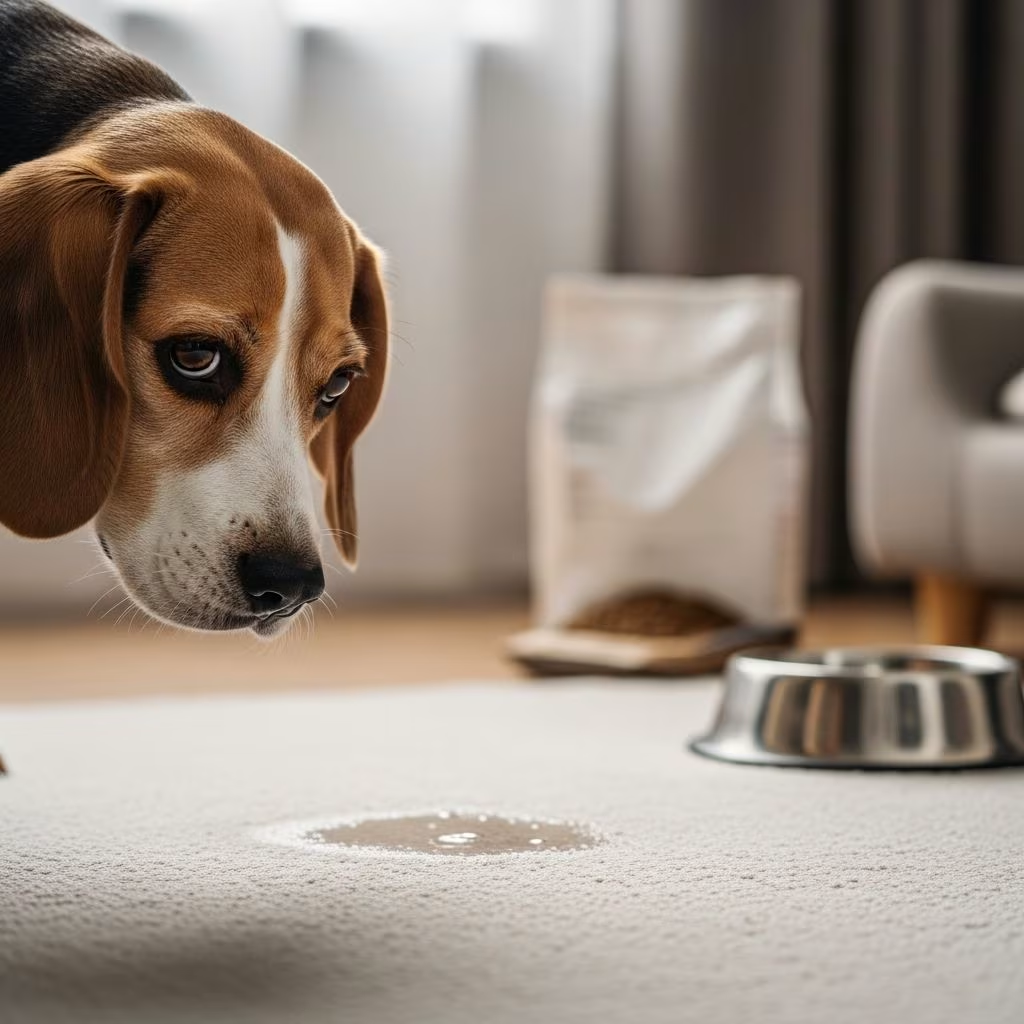
Urinary incontinence in dogs involves the unintentional release of urine, often noticed as damp spots on bedding or floors. This condition affects dogs of various ages and breeds, requiring prompt attention to identify and address root causes for improved quality of life.
Recognizing the Signs of Urinary Leakage
Owners frequently spot evidence of incontinence through subtle yet consistent indicators. Common observations include urine puddles forming beneath a resting dog, particularly after sleep, or persistent dampness on furniture and carpets where the pet has lounged. Dogs may exhibit dribbling during walks or immediately post-urination, alongside excessive grooming of the genital area due to irritation from constant moisture.
- Wet patches on beds, rugs, or upholstery from sitting or lying positions
- Droplets trailing while moving or right after eliminating
- Frequent licking of hindquarters, leading to skin redness or scalding
- Noticeable ammonia odor emanating from the dog’s coat or sleeping area
- Damp fur on hind legs, especially in longer-haired breeds
Accompanying signs can point to broader issues, such as blood-tinged urine, heightened thirst and urination frequency, hind limb weakness, appetite shifts, or even fecal leakage in severe cases. These symptoms may fluctuate initially before stabilizing, underscoring the need for vigilant monitoring.
Primary Causes Behind Bladder Control Loss
Multiple factors contribute to urinary incontinence, ranging from congenital defects to age-related declines. Understanding these helps in tailoring interventions effectively.
Urethral Sphincter Mechanism Incompetence (USMI)
The leading culprit in adult spayed females, USMI occurs when urethral muscles weaken, failing to seal properly and allowing urine escape. Hormonal deficiencies post-spaying, obesity, and breed predispositions exacerbate this, but daily medications often restore control.
Congenital Anomalies like Ectopic Ureters
In young puppies, ectopic ureters—where urine tubes misroute past the bladder—cause constant leaking from birth. Diagnostic imaging confirms this, with surgical correction repositioning the ureters for resolution.
Neurological and Spinal Disorders
Disruptions in nerve signals to the bladder from spinal disc herniations, degenerative myelopathy, or injuries impair control. Paralyzed hindquarters in breeds like Dachshunds often signal this, necessitating manual bladder expression.
Infections and Inflammatory Conditions
Urinary tract infections (UTIs) provoke swelling and discomfort, temporarily worsening leakage. Incontinent dogs face higher UTI risks, creating a cycle that demands antibiotic intervention.
Prostate Issues in Males
Older intact males suffer from prostate enlargement compressing the urethra, leading to dribbling. Castration typically alleviates this alongside targeted therapies.
Other Contributors: Stones, Tumors, and Cognitive Decline
Bladder stones irritate the lining, causing painful spasms and blockages, while tumors obstruct flow. In seniors, canine cognitive dysfunction mimics dementia, blending incontinence with forgotten training. Medications like steroids boost thirst, indirectly promoting accidents.
| Cause Category | Affected Age Group | Key Features |
|---|---|---|
| USMI | Adult females | Weak sphincter, hormone-related |
| Ectopic Ureters | Puppies | Congenital misplacement |
| Neurological | All ages | Nerve damage, paralysis |
| UTIs/Stones | Middle-aged+ | Infection, irritation |
| Prostate | Senior males | Enlargement, obstruction |
When and How to Diagnose the Problem
Consult a veterinarian at the first sign of leakage to rule out treatable issues. Diagnosis begins with a history review and physical exam, followed by urinalysis for infections or crystals, bloodwork for systemic diseases, and imaging like ultrasounds or X-rays for stones, tumors, or anatomical flaws. Advanced contrast studies pinpoint ectopic ureters, while neurological assessments evaluate spinal integrity. Prompt evaluation prevents complications like recurrent infections or skin damage.
Treatment Options for Restoring Control
Therapies target the underlying issue, often combining medications, surgery, and lifestyle tweaks for optimal outcomes.
- Pharmacological Approaches: Phenylpropanolamine strengthens sphincter tone in USMI cases, with success rates exceeding 80%. Estrogen supplements aid hormone-deficient dogs.
- Surgical Interventions: Ureteral reimplantation corrects congenital defects; prostatectomies or tumor removals address obstructions.
- Supportive Care: Antibiotics clear UTIs; diets dissolve stones. Manual expression trains owners for neurogenic cases.
Senior dogs benefit from padded bedding, frequent potty breaks, and belly bands to manage leaks humanely. Weight management enhances treatment efficacy.
Preventive Measures and Daily Management
While not all cases are preventable, spaying at optimal timing, maintaining ideal weight, and routine vet checkups mitigate risks. Hydration balance prevents stone formation, and early UTI detection via home monitoring preserves continence. For chronic cases, waterproof bedding, enzymatic cleaners, and skin protectants maintain hygiene and comfort.
Special Focus: Incontinence in Aging Pets
Seniors face compounded risks from weakened muscles, prostate changes, and cognitive fog. Non-painful leaking demands empathy over punishment, as dogs remain unaware. Holistic management includes joint supplements for mobility and pheromone diffusers for anxiety-related triggers.
Frequently Asked Questions (FAQs)
Is urinary incontinence painful for dogs?
No, most dogs feel no discomfort from leaking itself, though secondary issues like UTIs or scalding may cause irritation.
Can diet influence dog incontinence?
Yes, specialized urinary diets reduce stone risk and inflammation, supporting bladder health.
Will my spayed female always develop USMI?
Not guaranteed, but larger breeds post-spay are prone; medications control it effectively.
How do I clean up incontinence accidents?
Use enzymatic cleaners to neutralize odors, preventing remarking behaviors.
Can home remedies fix incontinence?
Limited efficacy; vet-prescribed treatments outperform herbs or supplements alone.
Long-Term Outlook and Prognosis
With accurate diagnosis, most dogs achieve good control. USMI responds well to lifelong meds, congenital fixes via surgery endure, and managed infections recur less. Quality of life improves dramatically through consistent care, allowing active companionship.
References
- Urinary Incontinence in dogs – PDSA — PDSA. 2024-06. https://www.pdsa.org.uk/pet-help-and-advice/pet-health-hub/symptoms/urinary-incontinence-in-dogs
- Urinary Incontinence in Dogs: Signs, Causes, Treatments — Best Friends Animal Society. N/A. https://bestfriends.org/pet-care-resources/urinary-incontinence-dogs-signs-causes-treatments
- Urinary Incontinence (Urethral Incontinence) in Dogs — VCA Animal Hospitals. N/A. https://vcahospitals.com/know-your-pet/urethral-incontinence-in-dogs
- Urinary Incontinence in the Dog — UC Davis School of Veterinary Medicine. N/A. https://www.vetmed.ucdavis.edu/hospital/animal-health-topics/canine-incontinence



