

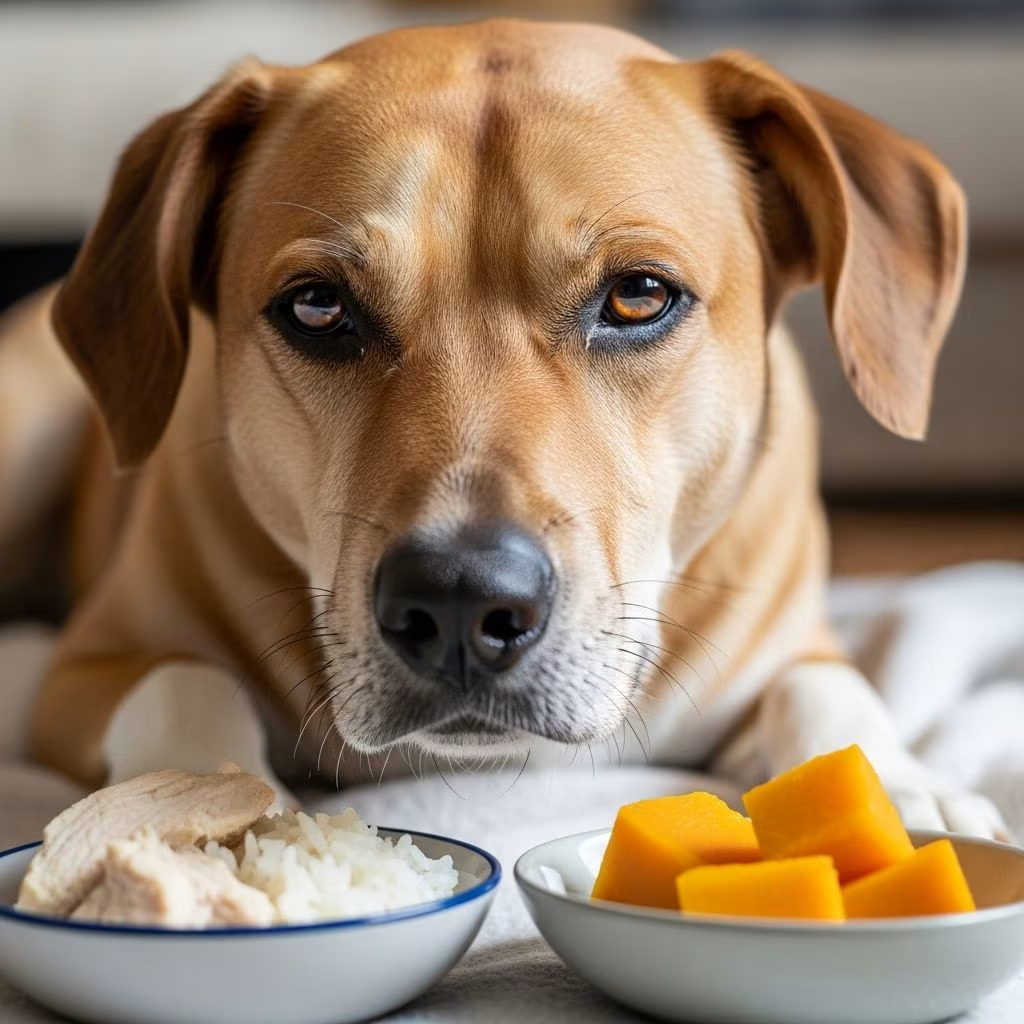
Understanding Dog Upset Stomach: Symptoms and Solutions
Dog upset stomachs are one of the most common health concerns pet owners face. Whether your furry friend is experiencing occasional digestive discomfort or chronic gastrointestinal issues, understanding the symptoms and knowing what comfort foods to offer can make a significant difference in their recovery and overall well-being. This comprehensive guide will help you recognize the signs of digestive upset in your dog and provide practical solutions to support their healing.
Common Symptoms of Dog Upset Stomach
Recognizing the early signs of stomach upset in dogs is crucial for prompt intervention. Your dog may display several indicators that their digestive system is struggling:
- Vomiting or retching
- Diarrhea or loose stools
- Reduced appetite or reluctance to eat
- Lethargy and decreased activity levels
- Abdominal pain or discomfort
- Excessive drooling
- Constipation
- Gas or bloating
- Lip licking or repeated swallowing
- Restlessness or inability to find a comfortable position
These symptoms can range from mild to severe, depending on the underlying cause. While occasional mild symptoms may resolve with home care, persistent or severe signs warrant immediate veterinary attention.
Primary Causes of Canine Digestive Upset
Understanding what triggers stomach issues in dogs helps you prevent future episodes and respond appropriately when they occur. Several factors can contribute to digestive distress:
Dietary Factors
One of the most common causes of upset stomach in dogs is a sudden change in diet. When you switch your dog’s food too quickly, their digestive system may not adapt well to the new ingredients or formula. Additionally, dogs that consume table scraps, raid the trash, or eat spoiled food often experience digestive upset. Food allergies and sensitivities to specific ingredients can also trigger chronic gastrointestinal issues.
Infections and Parasites
Viral and bacterial infections can cause significant digestive upset in dogs. Parvovirus is particularly serious and requires immediate veterinary care. Intestinal parasites, including roundworms, hookworms, whipworms, giardia, and coccidia, frequently cause vomiting and diarrhea, especially in puppies and unprotected dogs.
Stress and Environmental Factors
Just like humans, dogs can experience stress-related stomach upset. Changes in their environment, household stress, anxiety about travel, or significant life changes can trigger digestive issues. Heat stroke and exposure to toxic substances also commonly result in stomach distress.
Medical Conditions
More serious underlying conditions can manifest as stomach upset, including inflammatory bowel disease, pancreatitis, bloat, gastroenteritis, kidney failure, liver failure, and cancer. These conditions typically require professional veterinary diagnosis and treatment.
When to Seek Veterinary Care
While minor stomach upset often resolves with home care, certain symptoms indicate your dog needs immediate professional evaluation. Contact your veterinarian if your dog experiences persistent vomiting lasting more than a few hours, bloody vomit or stool, severe abdominal pain, lethargy that doesn’t improve, weight loss, or symptoms that persist beyond 48 hours. Puppies, senior dogs, and those with pre-existing medical conditions are more susceptible to severe complications from stomach upset and should receive prompt veterinary attention.
Comfort Foods for Dogs with Upset Stomachs
One of the most effective ways to support your dog’s recovery from digestive upset is through dietary management. Bland, easily digestible foods can help settle their stomach and allow their digestive system to heal.
The Bland Diet Approach
Veterinarians frequently recommend bland diets as the first line of treatment for upset stomachs in dogs. These diets consist of simple, low-fat ingredients that are gentle on the digestive system and easier to process than rich or complex foods.
Ideal Bland Diet Components:
- Boiled, skinless chicken breast (lean protein)
- Cooked white rice (easily digestible carbohydrate)
- Boiled turkey or fish (alternative protein sources)
- Low-fat cottage cheese (protein and calcium)
- Plain pumpkin puree (fiber and digestive support)
- Sweet potato (nutrient-dense and digestible)
- Bone broth without added salt or seasonings
Preparation Guidelines
When preparing comfort foods for your dog, ensure all ingredients are thoroughly cooked, boneless, and free from any seasonings, garlic, onions, or excessive salt. Remove all skin from poultry, as the fat content can exacerbate digestive upset. Cut food into appropriately sized pieces for your dog’s size, and serve at room temperature. Avoid using oils or butter during preparation, and never add salt, pepper, or other seasonings that could irritate the stomach lining.
Portion Control and Feeding Schedule
When your dog has an upset stomach, smaller, more frequent meals are preferable to large meals. Divide their daily food allowance into three to four smaller portions spaced throughout the day. This approach reduces the burden on the digestive system and allows for better nutrient absorption. Most dogs with mild stomach upset can gradually return to their normal food schedule within five to seven days as symptoms improve.
Supplementary Support for Digestive Health
Probiotics
Probiotics contain beneficial gut bacteria that can help restore normal digestive flora after an upset stomach. These dietary supplements are particularly helpful if your dog has been on antibiotics or has experienced diarrhea. Many probiotics also contain ingredients designed to firm stools and soothe the gut wall. Ask your veterinarian for a probiotic recommendation, as quality varies significantly among products.
Electrolyte Replacement
When dogs vomit or experience diarrhea, they lose essential fluids and electrolytes including potassium, magnesium, and calcium. Replenishing these minerals is crucial for maintaining proper bodily function. Small amounts of dog-safe electrolyte solutions like Pedialyte can help restore balance, though always consult your veterinarian before administering any solution.
Medications for Symptom Relief
Your veterinarian may prescribe several types of medications to provide relief during recovery. Maropitant (Cerenia) is an FDA-approved medication that blocks nausea signals to the brain and is commonly prescribed for motion sickness and digestive-related nausea. Metoclopramide (Reglan) blocks nausea sensations and improves stomach contractions to keep food moving through the digestive tract. Famotidine (Pepcid) is an over-the-counter human medication that reduces stomach acid production and can help treat acid-related stomach upset.
Step-by-Step Recovery Plan
Day One to Two: Initial Management
When you first notice signs of stomach upset, contact your veterinarian to rule out serious underlying conditions. If approved for home care, withhold food (but not water) for 12-24 hours to give your dog’s digestive system a rest. Small, frequent water breaks are important to prevent dehydration, though avoid large quantities of water at once. Provide a calm, comfortable environment where your dog can rest undisturbed.
Day Two to Three: Reintroducing Food
Begin with small amounts of bland food, such as boiled chicken and white rice mixed in a 1:1 or 1:2 ratio. Offer only a few tablespoons every two to three hours. Monitor your dog closely for any return of symptoms. If vomiting resumes, wait another few hours before attempting to feed again. Continue providing fresh water throughout the day.
Day Four to Seven: Gradual Transition
Assuming your dog is tolerating the bland diet well, gradually increase portion sizes while maintaining the frequent feeding schedule. Continue offering only bland foods during this period. Do not reintroduce treats, table scraps, or their regular food yet, as this can trigger a relapse.
Day Seven and Beyond: Return to Normal Diet
Once your dog has been symptom-free for 48 hours, you can begin slowly transitioning back to their regular diet. Mix increasing amounts of their normal food with the bland diet over three to five days. This gradual transition helps prevent digestive upset from recurring. If symptoms return at any point during the transition, revert to the bland diet and consult your veterinarian.
Prevention Strategies for Future Episodes
Preventing upset stomachs is significantly easier than treating them. Implement these preventative measures to minimize your dog’s risk of digestive distress:
- Make any dietary changes gradually over 7-10 days, mixing increasing amounts of new food with old food
- Maintain a consistent feeding schedule with appropriate portion sizes
- Keep your dog away from trash, toxic plants, and human foods
- Ensure your dog receives regular parasite prevention and vaccinations
- Provide fresh water at all times
- Minimize stress through consistent routines and positive reinforcement training
- Avoid sudden changes to your dog’s environment or schedule when possible
- Keep your dog at a healthy weight to reduce digestive strain
- Choose high-quality dog food appropriate for your dog’s age and size
- Exercise your dog regularly to promote healthy digestion
Special Considerations for Different Dog Populations
Puppies
Puppies have developing immune systems and are particularly vulnerable to infections and parasites. Upset stomachs in puppies should be taken seriously, and prolonged fasting is not appropriate for young dogs. Veterinary evaluation is recommended for any puppy with digestive symptoms lasting more than a few hours.
Senior Dogs
Older dogs have less robust immune systems and may experience more frequent digestive upset. Senior dogs also may have underlying medical conditions that complicate treatment. Regular veterinary check-ups become increasingly important as your dog ages.
Large Breed Dogs
Large breed dogs, particularly those with deep chests like German Shepherds and Great Danes, are at higher risk for bloat—a life-threatening condition requiring immediate emergency surgery. Any signs of severe abdominal distension, retching without vomiting, or extreme restlessness in these breeds demands immediate veterinary attention.
Frequently Asked Questions About Dog Upset Stomachs
Q: How long does it typically take for a dog’s upset stomach to resolve?
A: Mild cases often improve within 24-48 hours with supportive care and bland diet. More severe cases may take several days to a week. If symptoms persist beyond one week despite home treatment, seek veterinary care.
Q: Can I give my dog over-the-counter medications for stomach upset?
A: Some over-the-counter medications like Famotidine (Pepcid) can be used in dogs under veterinary guidance, but dosing must be precise. Always consult your veterinarian before administering any medication, as some can interact with other treatments or worsen certain conditions.
Q: Is it safe to fast my dog when they have stomach upset?
A: Short-term fasting of 12-24 hours can be beneficial for healthy adult dogs to allow their digestive system to rest. However, fasting is not appropriate for puppies, senior dogs, or dogs with certain medical conditions. Always consult your veterinarian before fasting your dog.
Q: What’s the difference between occasional upset stomach and a serious condition?
A: Occasional upset stomach typically involves mild symptoms that resolve within 24-48 hours with home care. Serious conditions involve persistent vomiting, bloody discharge, severe lethargy, weight loss, or symptoms lasting more than 48 hours—all requiring veterinary attention.
Q: Should I switch my dog to a different food permanently if they have stomach upset?
A: Not necessarily. If the upset stomach was due to a dietary indiscretion or stress, returning to their regular food is usually fine. However, if your dog has food sensitivities or allergies, your veterinarian may recommend switching to a limited-ingredient or hypoallergenic diet permanently.
Q: Can probiotics really help my dog’s digestive health?
A: Yes, probiotics containing beneficial gut bacteria can help restore normal digestive flora and may reduce the duration and severity of upset stomach symptoms. Choose a probiotic specifically formulated for dogs and ask your veterinarian for recommendations.
Q: What human foods are safe to give a dog with an upset stomach?
A: Safe bland options include plain boiled chicken, white rice, plain pumpkin puree, and low-fat cottage cheese. Avoid any foods containing garlic, onions, chocolate, grapes, raisins, or excessive salt and fat.
References
- What to Give a Dog for Upset Stomach and Vomiting — GoodRx. 2024. https://www.goodrx.com/pet-health/dog/what-to-give-a-dog-for-upset-stomach-and-vomiting
- What to Do if Your Dog Has an Upset Stomach — WebMD Pets. 2024. https://www.webmd.com/pets/dogs/what-to-do-if-your-dog-has-an-upset-stomach
- Gastroenteritis (Stomach Upset) in Dogs — People’s Dispensary for Sick Animals (PDSA). 2024. https://www.pdsa.org.uk/pet-help-and-advice/pet-health-hub/conditions/gastroenteritis-stomach-upset-in-dogs
- Does My Dog Have an Upset Stomach? — Family Pet Hospital Clovis. 2023. https://www.fphclovis.com/site/blog/2023/03/21/does-dog-have-upset-stomach
- Upset Stomach in Dogs: Causes, Symptoms, & Home Remedies — Ruby Vet. 2024. https://www.rubyvet.com/blog/tummy-troubles-got-you-down-upset-stomach-in-dogs-causes-symptoms-and-home-remedies
- Upset Stomach In Dogs: Causes, Remedies, and When to Worry — Halo Collar. 2024. https://www.halocollar.com/blog/dog-health/upset-stomach-in-dogs/



