

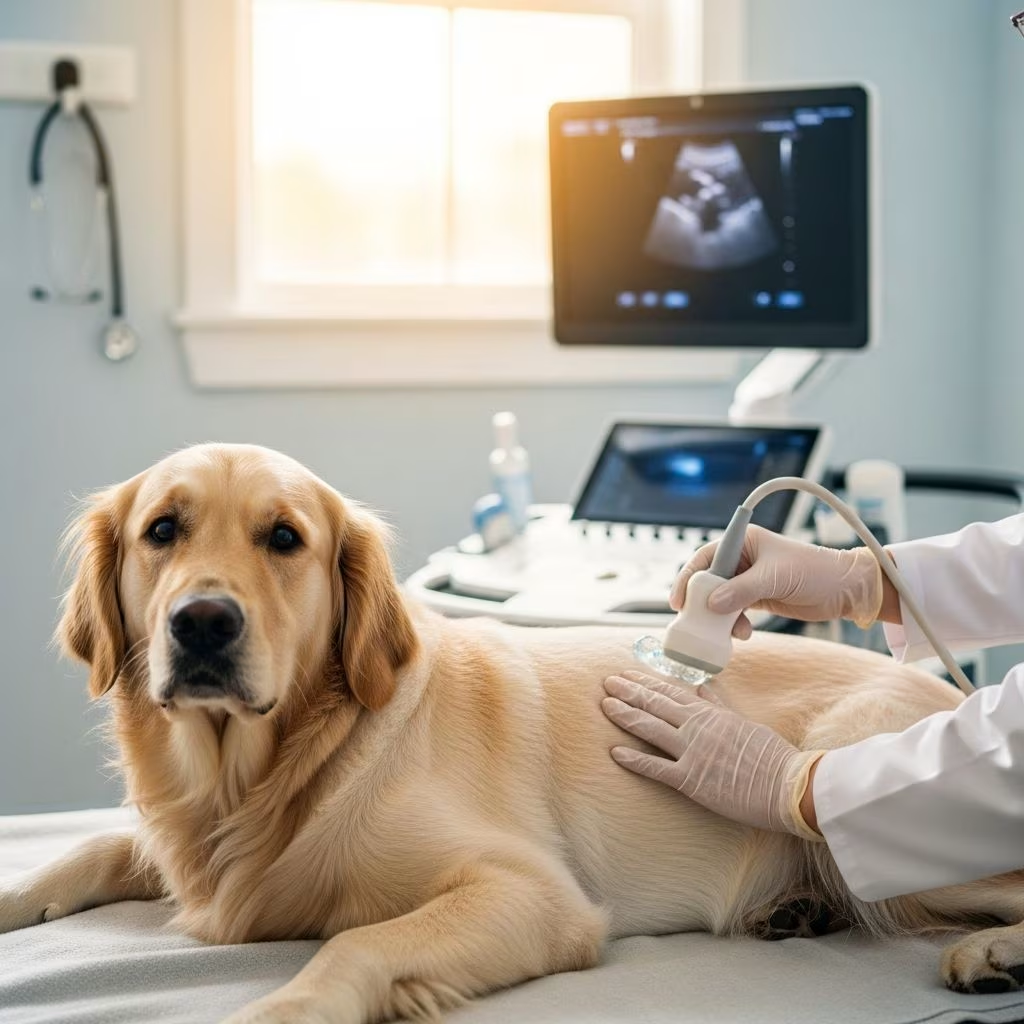
Ultrasound imaging for dogs provides critical insights into internal health without invasive procedures, but understanding the associated costs helps pet owners plan effectively. Prices typically range from $300 to $1,000 depending on various factors, making it a valuable yet potentially expensive diagnostic step.
Understanding Veterinary Ultrasound for Canines
Veterinary ultrasound uses high-frequency sound waves to create real-time images of a dog’s internal organs, offering a non-invasive way to assess conditions that x-rays might miss. This technology is particularly useful for examining soft tissues like the liver, kidneys, intestines, and heart, allowing veterinarians to detect abnormalities such as tumors, fluid buildup, or inflammation.
The procedure involves a transducer probe that emits sound waves, which bounce off tissues and form images on a monitor. Unlike x-rays, ultrasound excels at showing organ function and blood flow in real time, which is essential for conditions like gastrointestinal blockages or cardiac issues.
Key Factors Influencing Dog Ultrasound Expenses
Several elements determine the final cost of a dog ultrasound, and recognizing them can help anticipate bills.
- Location and Clinic Type: Urban veterinary hospitals or specialty centers charge more, often $500-$1,200, compared to rural clinics at $250-$600. Board-certified radiologists increase fees due to expertise.
- Ultrasound Type: Abdominal scans average $400, while cardiac (echocardiograms) can reach $800. Full-body or emergency scans push costs higher.
- Pet Size and Complexity: Larger dogs require more gel, time, and probe adjustments, adding $50-$200. Complex cases needing biopsies or multiple views extend session duration.
- Sedation and Prep: Anxious pets may need mild sedatives ($50-$150), and fasting preparation is standard but doesn’t add direct costs.
- Additional Services: Combining with bloodwork or follow-up consultations can total $800-$1,500.
| Factor | Average Cost Impact | Examples |
|---|---|---|
| Clinic Location | $250-$1,200 | Rural vs. Urban/Specialty |
| Scan Type | $300-$800 | Abdominal vs. Cardiac |
| Pet Size | +$50-$200 | Small vs. Large Breed |
| Sedation | $50-$150 | Optional for Calm Pets |
| Extras (Biopsy) | +$200-$500 | Guided Procedures |
When Is a Dog Ultrasound Medically Necessary?
Vets recommend ultrasounds when initial tests like bloodwork or radiographs suggest deeper issues. Common indicators include unexplained weight loss, vomiting, abdominal pain, elevated liver enzymes, or heart murmurs.
- Abdominal problems: Detects liver disease, kidney stones, or intestinal obstructions.
- Cardiac evaluation: Assesses valve function and chamber sizes for murmurs or arrhythmias.
- Emergency cases: Identifies internal bleeding or urinary blockages swiftly.
- Pregnancy checks: Monitors fetal health non-invasively.
Early use improves outcomes, as real-time imaging guides precise treatments.
Step-by-Step: What Happens During a Dog Ultrasound
Preparation starts 12-24 hours prior with fasting to clear the abdomen for clearer images; water may be restricted. At the clinic:
- Initial Assessment: Vet reviews history and symptoms, performs a physical exam.
- Setup: Pet positioned on a padded table (back or side); fur shaved over the area.
- Gel Application: Water-based gel ensures sound wave transmission.
- Scanning: Transducer glides over skin for 20-60 minutes, capturing live images.
- Analysis: Vet notes findings; may take biopsies if needed.
- Post-Procedure: Gel wiped off, results discussed; pet usually goes home same day.
Sedation is rare, used only for wiggly pets. Most dogs tolerate it well.
Comparing Ultrasound to Other Diagnostic Tools
| Tool | Cost Range | Best For | Pros | Cons |
|---|---|---|---|---|
| X-ray | $100-$300 | Bones, chest | Quick, cheap | Poor soft tissue |
| Ultrasound | $300-$1,000 | Organs, fluid | Real-time, no radiation | Operator-dependent |
| CT/MRI | $1,000-$3,000 | Detailed 3D | High resolution | Expensive, sedation |
Ultrasound bridges basic and advanced imaging, often sufficient for diagnosis.
Strategies to Reduce Ultrasound Costs for Your Dog
- Pet Insurance: Many plans cover 70-90% after deductibles; check diagnostic inclusions.
- Clinic Shopping: Compare quotes from general vets vs. specialists; teaching hospitals offer lower rates.
- Payment Plans: CareCredit or clinic financing spreads costs.
- Preventive Care: Regular checkups catch issues early, avoiding emergencies.
- Multi-Pet Discounts: Some clinics bundle for households.
Ask about all-inclusive packages to avoid surprises.
Real-World Cost Examples Across Regions
- Midwest clinics: $350-$550 for abdominal.
- Coastal cities: $600-$1,100.
- Referral centers: $800+ with radiologist read.
- Emergency add-on: +$200-$400.
Always request estimates upfront.
Benefits Outweighing the Costs
Despite expenses, ultrasound prevents costly surgeries by enabling targeted treatments. For instance, detecting a tumor early allows minimally invasive options. Long-term, it extends pet lifespan through accurate management.
Frequently Asked Questions (FAQs)
Is dog ultrasound painful?
No, it’s painless; dogs feel only gel coolness and probe pressure.
How long does recovery take?
None required; pets resume normal activities immediately unless sedated.
Can I stay with my dog?
Usually yes, for comfort, space permitting.
Does insurance cover it?
Often partially; review policy for diagnostics.
What’s the difference between ultrasound and sonogram?
Synonyms; both refer to the imaging procedure.
Is fasting always needed?
Yes for abdominal; not for cardiac.
Choosing the Right Veterinary Provider
Seek clinics with modern equipment and experienced sonographers. Board-certified specialists ensure accuracy, justifying higher costs. Read reviews and inquire about ultrasound frequency to gauge proficiency.
References
- What Happens During a Veterinary Ultrasound Appointment — Garbizo Animal Clinic. 2023-05-15. https://www.garbizoanimalclinic.com/blog/what-happens-during-a-veterinary-ultrasound-appointment
- What to Expect During Your Pet’s Ultrasound Exam — Urbana Veterinary Clinic. 2024-02-10. https://www.urbanavc.com/blog/what-to-expect-during-your-pets-ultrasound-exam
- Ultrasound For Dog Abdominal Issues: Diagnosing Internal Problems — Insight Vet Wellness. 2023-11-20. https://insightvetwellness.com/ultrasound/ultrasound-for-dog-abdominal-issues-diagnosing-internal-problems/
- Veterinary Ultrasound — Dove Mountain Vet. 2024-01-08. https://www.dovemountainvet.com/blog/veterinary-ultrasound
- Pet Ultrasound — Carolina Veterinary Specialists. 2021-04-06. https://www.winston-salem.carolinavet.com/site/pet-health-advice-blog/2021/04/06/pet-ultrasound
- Small Animal Abdominal Ultrasonography, Part 1 — Today’s Veterinary Practice. 2022-07-12. https://todaysveterinarypractice.com/radiology-imaging/imaging-essentialssmall-animal-abdominal-ultrasonographya-tour-abdomen-part-1/
- Ultrasonography in Animals — Merck Veterinary Manual. 2025-01-15. https://www.merckvetmanual.com/clinical-pathology-and-procedures/diagnostic-imaging/ultrasonography-in-animals



