

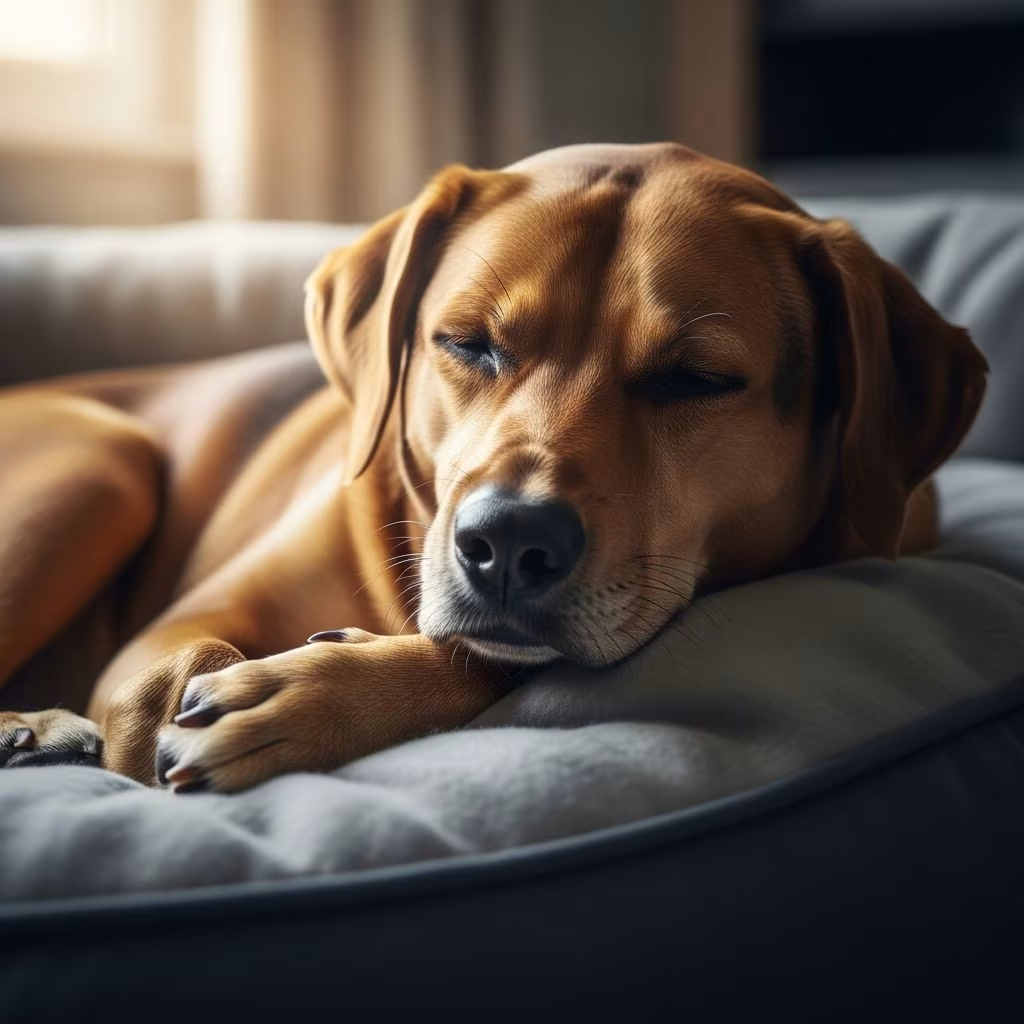
Dogs frequently exhibit twitching movements during sleep, which can range from subtle leg paddles to more pronounced shakes. These behaviors are typically harmless signs of dreaming but can occasionally signal underlying health problems. Understanding the distinction helps owners provide appropriate care.
The Science Behind Canine Sleep Cycles
Canine sleep mirrors human patterns with distinct stages, including non-REM and REM phases. During REM sleep, brain activity surges, resembling wakefulness, which is when most twitching occurs as dogs process daily experiences through dreams.
The brainstem’s pons plays a crucial role by inhibiting muscle activity, preventing dogs from physically acting out dreams. Inefficient pons function leads to visible twitches, particularly in vulnerable age groups.
- REM Dominance: Puppies enter REM more often, dreaming up to 12-14 hours daily to consolidate learning.
- Adult Balance: Mature dogs experience fewer REM episodes, resulting in less twitching.
- Senior Vulnerability: Aging reduces pons efficiency, increasing tremors.
Age-Specific Twitching Patterns
Twitching intensity varies by life stage due to neurological development and decline.
| Age Group | Twitching Frequency | Primary Cause |
|---|---|---|
| Puppies | High | Brain development, frequent REM |
| Adults | Low-Moderate | Stable pons function |
| Seniors | High | Age-related neural weakening |
Puppies twitch as their brains mature, processing rapid growth and new stimuli. Seniors face similar issues from degeneration, making monitoring essential.
Everyday Factors Influencing Sleep Movements
Beyond biology, external and positional elements affect twitching.
- Sleep Posture: Stretched-out positions allow full muscle relaxation, amplifying twitches; curled poses tense muscles, reducing them.
- Temperature Regulation: Cold prompts shivering-like twitches to generate heat, often in curled dogs.
- Environmental Noises: Sounds like thunder or fireworks partially rouse dogs, causing reflexive jerks without full awakening.
- Daily Activity: Exhaustion from play or enrichment leads to deeper sleep with more pronounced movements as muscles unwind.
These benign triggers explain most cases, but patterns matter—occasional episodes differ from persistent ones.
Distinguishing Normal Twitches from Health Red Flags
While dreaming accounts for many instances, certain signs demand attention. Normal twitching lasts seconds, involves limbs softly paddling, and leaves dogs refreshed upon waking.
Concerning symptoms include prolonged rigidity, whole-body convulsions, vocal distress, drooling, or post-sleep disorientation. These suggest seizures or disorders.
Neurological Concerns
Epilepsy manifests as intense, rhythmic tremors during sleep, often with eye rolling or foaming. Degenerative conditions like myelopathy add irregular shaking.
Metabolic Imbalances
Hypoglycemia hits small breeds and puppies hard, causing tremors from low blood sugar. Diabetes, kidney/liver failure, or electrolyte issues compound risks.
Pain Indicators
Arthritis or injuries surface as sleep tremors since dogs mask daytime pain. Look for limping or reluctance to jump.
Toxin Exposure
Pesticides, chocolate, or plants trigger tremors, often with vomiting or lethargy. Immediate vet intervention is critical.
Stress and Anxiety
Environmental changes elevate cortisol, disrupting sleep with shakes. Separation anxiety worsens this during rest.
When to Contact a Veterinarian
Observe episodes closely: duration over 30 seconds, frequency increase, or accompanying symptoms like incontinence warrant a check-up. Video incidents for accurate diagnosis.
Vets may recommend bloodwork, EEGs, or imaging to rule out epilepsy, infections, or organ issues. Early detection improves outcomes.
Enhancing Your Dog’s Sleep Quality
Promote restful nights to minimize unnecessary twitching.
- Consistent routine with ample exercise.
- Quiet, comfortable sleep space away from noise.
- Balanced diet avoiding toxins; monitor for allergies.
- Regular check-ups, especially for pups and seniors.
Tools like GPS trackers with health monitoring track sleep patterns, alerting to irregularities.
Common Myths About Dog Sleep Twitching
Myth 1: All twitching means nightmares—false; most reflect neutral or positive dream replays.
Myth 2: Only puppies twitch—seniors do too due to parallel brain changes.
Myth 3: Waking a twitching dog is always safe—risk startling them; gentle observation suffices unless distressed.
Frequently Asked Questions
Is twitching while sleeping painful for dogs?
Normal twitching isn’t painful; it’s at sleep’s edge without full awareness. Pain-linked tremors pair with daytime signs like whining.
Why do some breeds twitch more?
Active breeds dream vividly of pursuits, showing breed-typical motions like pointing. Size influences too—small dogs risk metabolic dips.
Can diet cause sleep tremors?
Toxic foods like chocolate provoke tremors; otherwise, no direct link, but malnutrition contributes indirectly.
How much twitching is too much?
Under 10-30 seconds sporadically is fine; clusters or intensity spikes need vet review.
Do medications affect sleep movements?
Rarely, some cause tremors; consult vets on changes post-medication.
Long-Term Monitoring Strategies
Keep a sleep log noting frequency, duration, triggers, and behaviors. This data aids vets in pinpointing issues like progressing arthritis or emerging epilepsy.
For seniors, cognitive dysfunction may fragment sleep, increasing movements—supplements or meds can help under guidance.
Integrate enrichment: puzzle toys and scent games tire mentally, deepening non-REM sleep and reducing twitchy REM bouts.
References
- Why Do Dogs Twitch in Their Sleep? — PetMD. 2023. https://www.petmd.com/dog/general-health/why-do-dogs-twitch-their-sleep
- My Dog is Twitching While Sleeping: Should I Worry? — Hill’s Pet. 2023. https://www.hillspet.com/dog-care/behavior-appearance/dog-twitching-during-sleep
- Dog Twitching In Sleep? Why It Happens (And When To Worry) — Tractive. 2023. https://tractive.com/blog/en/health/dog-twitching-in-sleep
- 6 Reasons Why Your Dog is Twitching in Their Sleep — Rover.com. 2023. https://www.rover.com/blog/dog-twitching-in-sleep/
- Dog Sleep Tremors: What’s Normal and When to Worry — Halo Collar. 2023. https://www.halocollar.com/blog/dog-health/health-care/dogs-sleep-tremors/
- Why Do Dogs Twitch in Their Sleep? — American Kennel Club. 2023. https://www.akc.org/expert-advice/advice/why-dog-twitch-in-sleep/
- Why Do Dogs Twitch in Their Sleep? — BLVD Vet. 2023. https://www.blvd.vet/blog/why-do-dogs-twitch-in-their-sleep



