
Dog Tumors: Symptoms, Causes, Treatment and FAQs
Complete guide to understanding canine tumors, diagnosis, treatment options, and recovery management.
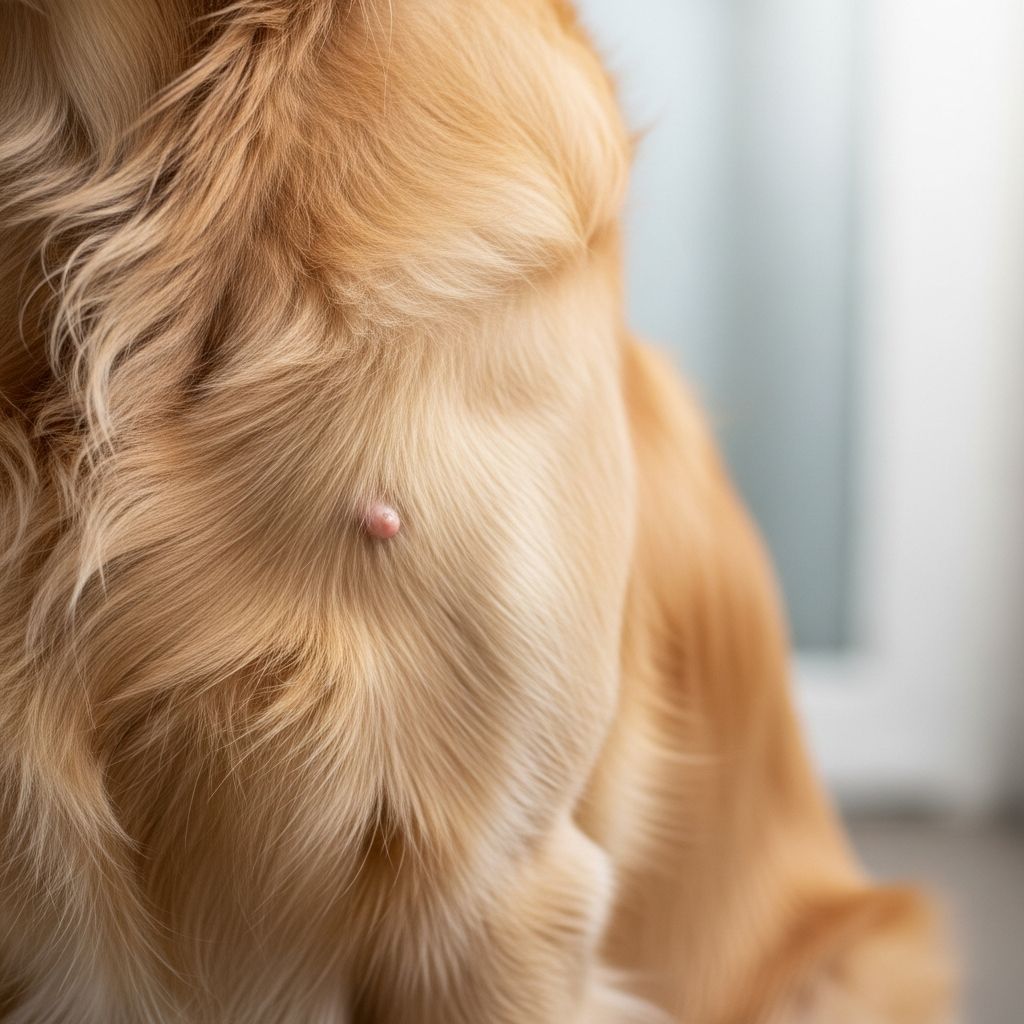
Understanding Dog Tumors: A Comprehensive Guide
Cancer in dogs is a significant health concern that affects many pets across all breeds and ages. Approximately 25% of dogs will develop some form of cancer during their lifetime, with the risk increasing substantially in older dogs. Among dogs over the age of 10, nearly 50% will develop cancer. While this information can be concerning for pet owners, understanding the nature of dog tumors, recognizing early warning signs, and knowing available treatment options can help improve outcomes and quality of life for affected pets.
Types of Common Dog Tumors
Although cancer can occur in many organs and tissues throughout a dog’s body, certain types of tumors are more frequently diagnosed in veterinary medicine. Understanding these common tumors helps pet owners recognize potential symptoms and seek timely veterinary care.
Mast Cell Tumors
Mast cell tumors are malignant tumors that develop in the mast cells found in a dog’s skin. Mast cells are specialized immune system cells that play an important role in allergic reactions, such as hives and responses to insect bites. These tumors present a diagnostic challenge because they can appear in many different forms, sometimes resembling a simple pimple or cyst. Their variable appearance can cause confusion with benign tumors such as lipomas, making professional veterinary evaluation essential for accurate diagnosis.
Mammary Gland Carcinoma
Mammary gland carcinomas are tumors that arise from the mammary or breast tissue of dogs. These tumors most frequently occur in female dogs that are not spayed or were spayed after their second heat cycle. The risk is significantly higher in unspayed females, as hormones like estrogen and progesterone play crucial roles in both normal mammary development and cancer formation. Interestingly, approximately 50% of mammary gland carcinomas are benign when initially discovered, though only a pathologist can make this determination after the tumor is removed and examined under a microscope.
Lymphoma
Lymphoma represents one of the most common forms of cancer diagnosed in dogs. This cancer affects lymph tissues, including lymph nodes and the spleen, and often spreads to other parts of the body while growing relatively quickly. The fortunate aspect of lymphoma is that it is the type of canine cancer most responsive to chemotherapy, offering better prognosis compared to many other tumor types.
Melanoma
Melanoma can occur either on the skin or within the oral cavity of dogs. While cutaneous melanomas may sometimes be managed more conservatively, oral melanomas are typically highly malignant and require aggressive treatment approaches. Dogs with oral melanoma often show signs associated with dental disease, including bad breath and decreased appetite. Treatment often involves a combination of aggressive surgery and radiation therapy, sometimes supplemented with chemotherapy.
Osteosarcoma
Osteosarcoma is the most common cause of bone cancer in dogs and is known for being highly aggressive and extremely painful. This cancer most commonly affects the legs of larger dog breeds. The treatment approach typically involves surgical removal of the affected bone or limb, often followed by chemotherapy or radiation therapy to address potential metastatic disease.
Other Tumor Types
Dogs may also develop other cancerous lumps including fibrosarcoma, squamous cell carcinoma, basal cell carcinoma, soft tissue sarcomas, and lung tumors. Each of these tumor types presents unique diagnostic and treatment challenges, requiring specialized veterinary expertise for optimal management.
Causes of Dog Tumors
Understanding what causes cancer in dogs is complex because the development of malignant tumors typically involves multiple factors working in combination rather than a single cause. At the cellular level, cancer develops when DNA within cells becomes damaged, causing cells to mutate or divide incorrectly. While the body possesses numerous checks and balances to correct or destroy mutated cells, sometimes mutated cells escape these protective mechanisms and continue growing into tumors or cancer.
Genetic Factors
Genetics play a significant role in tumor development in dogs. Some types of tumors occur more frequently in certain dog breeds, such as Golden Retrievers, Boxers, Bernese Mountain Dogs, and Rottweilers. This breed predisposition suggests a possible hereditary or genetic component to cancer susceptibility, though more research is needed to better define which dogs are at highest risk of developing specific cancers.
Contributing Risk Factors
Damage to cells may be triggered by various environmental and biological factors. Age is a significant factor, with older dogs having higher cancer incidence rates. Other potential contributing factors include exposure to carcinogens, chronic inflammation, hormonal imbalances, immune system dysfunction, and previous injuries or scars. The interplay of these multiple factors over time increases the likelihood of malignant transformation.
Recognizing Symptoms of Dog Tumors
Early detection of tumors significantly improves treatment outcomes and quality of life. Pet owners should be vigilant about recognizing warning signs that may indicate the presence of cancer in their dogs.
Common Visible Signs
Dogs with cancer can display multiple symptoms. Some of the most obvious signs include lumps or bumps on the body, new swelling, wounds that fail to heal properly, swollen lymph nodes, and abnormal bleeding or discharge. Additionally, unexplained weight loss, changes in appetite, gastrointestinal upset, and lethargy are common indicators that warrant veterinary evaluation. Enlarged lymph nodes can occur directly as a result of cancer or due to metastasis (spread) of cancer throughout the body.
Identifying Cancerous Lumps
Cancerous dog lumps typically have irregular borders and may feature both soft and firm areas within the same mass. Rapid growth is another characteristic feature of malignant tumors. If pet owners notice a small lump that grows noticeably within weeks or months, veterinary evaluation is strongly recommended. Skin lumps that develop rapidly or have an irregular appearance should always be checked for cancer.
Diagnosis of Dog Tumors
Professional diagnosis is essential for confirming the presence of tumors and determining their nature. A veterinarian will typically begin with a physical examination and may recommend various diagnostic procedures.
Diagnostic Tests and Procedures
Fine needle aspirate sampling can help diagnose tumors like mast cell tumors by allowing microscopic examination of cells. Imaging studies including ultrasound, X-rays, and CT scans can determine whether a lump has spread to other parts of the dog’s body, providing crucial staging information. A veterinarian may also check a dog’s overall health by completing blood work and urinalysis to establish baseline organ function and identify any systemic involvement.
Tumor Staging and Grading
Canine tumors are staged somewhat differently than human tumors. Depending on the tumor type, they may be staged numerically using Roman numerals ranging from 0 to IV. A higher number indicates the cancer has spread further. Other tumor types are graded differently based on cellular characteristics and growth patterns. The prognosis varies depending on the type of cancer and is influenced by grade and stage—generally, higher grades and more advanced stages indicate worse prognosis.
Treatment for Tumors in Dogs
Different types of cancer require different treatment approaches. The treatment recommended for a dog’s tumor depends on several factors including tumor type, size, stage, grade, the dog’s age and overall health status, and the owner’s treatment goals and preferences.
Primary Treatment Options
Generally, there are three main options for cancer treatment in dogs: surgery, radiation therapy, and chemotherapy. Some cancers may respond well to one type of treatment, while others require a combination of two or all three approaches to achieve the best possible outcome. Unfortunately, a complete cure is difficult to find for most metastatic cancers.
Surgical Treatment
Surgery remains a cornerstone of cancer treatment in dogs, particularly for locally invasive tumors that can be completely removed. Complete surgical excision offers the best chance for cure in many cases. However, surgery may also be used palliatively to remove painful or problematic tumors even when complete cure is not achievable.
Chemotherapy Medications
Common chemotherapy medications used in veterinary oncology include Carboplatin, Cyclophosphamide, Doxorubicin, L-asparaginase, Lomustine, Mitoxantrone, Palladia, Vinblastine, and Vincristine. The selection of chemotherapy agents depends on the specific cancer type and the veterinary oncologist’s assessment of which drugs offer the best therapeutic benefit for the individual patient.
Recovery and Management of Tumors in Dogs
Treatment goals and management strategies differ significantly between human cancer treatment and veterinary oncology. The primary objective in treating canine cancer is maintaining a good quality of life for the patient.
Treatment Differences from Human Medicine
Drug dosages and frequency of administration in veterinary patients are often less intensive than those prescribed for humans, which minimizes side effects while still providing therapeutic benefit. The good news is that cancer treatment in dogs is often well tolerated with minimal side effects. Chemotherapy in dogs does not typically cause hair loss, and gastrointestinal side effects are usually mild. Some chemotherapeutic drugs can even be administered at home, which decreases stress for your pet and makes treatment more convenient for owners.
Potential Side Effects
The most common side effects in dogs receiving cancer treatment include decreased appetite, lethargy, vomiting, or diarrhea. Although rare, serious side effects such as bone marrow suppression and infections can occur. These risks should be discussed with your veterinary oncologist before beginning treatment.
Curability and Long-Term Outlook
Some types of dog tumors can be cured, particularly those that are locally invasive and can be completely removed surgically. However, types of cancer that spread or metastasize to other parts of your dog’s body can be managed with treatment but are usually not curable. With proper treatment and management, many dogs with cancer can enjoy extended survival times and maintain good quality of life during their remaining time.
Special Considerations for Specific Tumor Types
Certain tumor types require specific discussion regarding prognosis and management. Mast cell tumors that are low-grade may be present for years without being detected or causing significant problems. However, high-grade mast cell tumors can spread, invade healthy tissue, and may be fatal in the long term. The only way to definitively determine whether a mast cell tumor is high-grade versus low-grade is through removal and pathological testing.
Prevention and Risk Reduction
While not all cancers can be prevented, certain measures may reduce the risk of developing specific tumor types. Spaying female dogs can significantly reduce the risk of mammary gland tumors, while neutering eliminates the risk of testicular cancer entirely. A balanced diet rich in essential nutrients is fundamental for maintaining a healthy immune system and may provide protective benefits.
Frequently Asked Questions About Dog Tumors
Q: Can dog tumors be benign?
A: Yes, many dog tumors can be benign. Approximately 50% of mammary gland carcinomas are benign when discovered. Benign tumors typically grow slowly and remain localized, though they still require monitoring and may need removal for comfort or cosmetic reasons.
Q: How quickly do dog tumors grow?
A: The growth rate varies significantly depending on tumor type and grade. Some benign tumors grow very slowly over years, while malignant tumors can grow rapidly and spread to other parts of the body within weeks or months. Rapid growth is often a sign of malignancy.
Q: What should I do if I find a lump on my dog?
A: Schedule a veterinary appointment promptly. Your veterinarian can perform a physical examination and recommend appropriate diagnostic testing, such as fine needle aspiration or biopsy, to determine whether the lump is benign or malignant.
Q: Is cancer treatment painful for dogs?
A: Modern cancer treatment in dogs is generally well-tolerated with minimal side effects. Your veterinarian can provide pain management medications if needed and will work to maintain your dog’s comfort and quality of life throughout treatment.
Q: Should I consult with a veterinary oncologist?
A: When your pet is diagnosed with cancer, consulting with a veterinary oncologist can provide valuable information about your dog’s possible outcomes and what to expect. They can explain treatment options in terms of what each means for longevity and quality of life for your pet.
Q: Can dog tumors be prevented?
A: While not all cancers can be prevented, spaying and neutering can reduce the risk of certain cancers. Maintaining a balanced diet, regular exercise, and routine veterinary check-ups support overall health and may help detect cancers early.
References
- Cancer in Dogs: Symptoms, Types, and Treatment — PetMD. 2024. https://www.petmd.com/dog/conditions/cancer/cancer-dogs-symptoms-types-and-treatment
- Dog Tumors: Symptoms, Causes, Treatment and FAQs — PetMD. 2024. https://www.petmd.com/dog/conditions/cancer/dog-tumors
- How to Determine If Your Dog’s Lump Is Cancerous — PetMD. 2024. https://www.petmd.com/dog/general-health/how-to-tell-dog-lump-cancerous
- 12 Subtle Signs of Cancer in Dogs that Most Pet Parents Overlook — PetMD. 2024. https://www.petmd.com/dog/conditions/signs-of-cancer-in-dogs
- Understanding Dog Lung Tumors: Symptoms, Diagnosis and Treatment — ImpriMed. 2025. https://www.imprimedicine.com/blog/dog-lung-tumors
- Cancer in Dogs — PetMD. 2024. https://www.petmd.com/hub/dog-cancer
- Eyelid, Conjunctival, and Peri-ocular Tumors — VCA Animal Hospitals. 2024. https://vcahospitals.com/know-your-pet/eyelid-conjunctival-and-periocular-tumors
Similar Articles








Read full bio of Sneha Tete




