

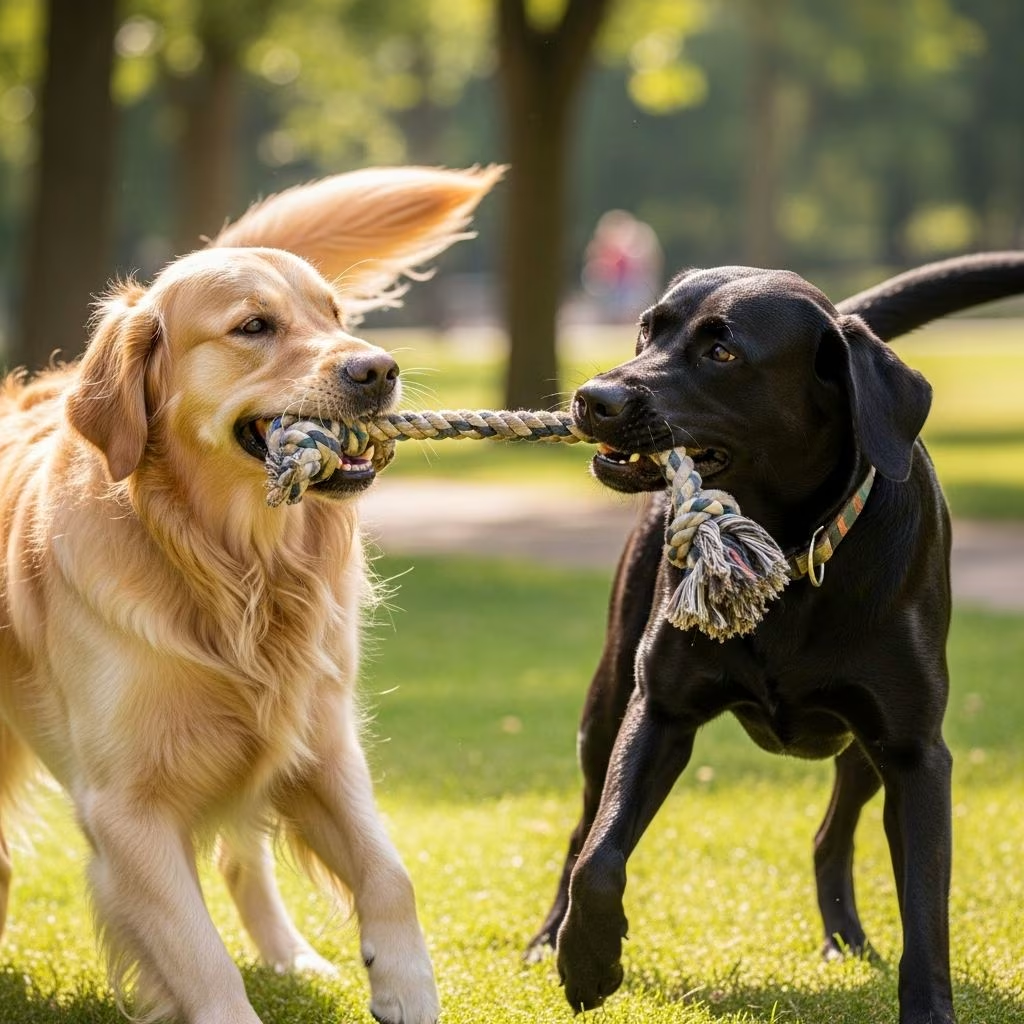
Tug-of-war is one of the most instinctive and engaging games dogs love to play with their owners. Far from being harmful, when played correctly, it offers numerous benefits including building impulse control, strengthening bonds, and channeling natural drives. This article debunks myths, outlines rules, and provides guidance on safe play.
Is Tug of War Bad for Dogs?
For decades, dog owners were warned against playing tug-of-war, with fears it would make dogs aggressive or dominant. This outdated view stemmed from dominance-based training theories that saw the game as a power struggle where humans must always ‘win’ to maintain control.
Modern understanding, backed by research, shows tug-of-war does not increase aggression in pet dogs. A study by Nicola Rooney and John Bradshaw found no negative impact on the human-dog relationship from dogs ‘winning’ the toy. Instead, it can enhance playfulness and cooperation when rules are followed. Experts now recommend tug in puppy classes to teach skills like ‘drop it’ and mouth control early on.
However, tug isn’t suitable for every dog. Those with resource guarding, poor bite inhibition, or arousal-induced aggression should avoid it or proceed cautiously under professional guidance.
Benefits of Playing Tug with Your Dog
Tug-of-war provides physical and mental stimulation while teaching valuable behaviors. Here’s why it’s beneficial:
- Builds Impulse Control and Self-Control: Requiring ‘take it’ and ‘drop it’ cues teaches dogs to regulate excitement and wait for permission, a skill transferable to daily life.
- Strengthens Owner-Dog Bond: Interactive play fosters trust and positions you as a fun playmate, reducing unwanted behaviors like play biting by redirecting energy.
- Channels Natural Drives: Simulates hunting instincts—chase, grab, shake—satisfying prey and hunt drives in a safe way, preventing issues like excessive chasing.
- Improves Bite Inhibition: Encourages gentle mouthing on toys, not hands, refining mouth control over time.
- Physical Exercise: High-energy pulling burns calories, ideal for active breeds, while promoting dental health through chewing motion.
- Teaches Cooperation: Dogs learn turn-taking and reading human cues, enhancing overall trainability.
Research confirms playful dogs show self-handicapping in tug, adjusting intensity to keep the game going, demonstrating emotional intelligence.
Tug of War Rules: How to Play Safely
To maximize benefits and minimize risks, follow these essential rules. Consistency is key for effective learning.
- Use the Right Toy: Choose durable ropes or rubber toys designed for tugging, long enough to keep teeth away from hands (at least 18-24 inches). Avoid clothing or household items.
- Teach Commands First: Practice ‘take it’ (to grab) and ‘drop it/out’ (to release) with low-value items before tug. Reward compliance lavishly and resume play immediately after drop to reinforce.
- Never Let Teeth Touch Skin: If teeth graze hands, end the game instantly. This conditions dogs to be mindful.
- Control Arousal Levels: Watch for signs of over-excitement like stiff body, hard staring, or escalating growls. Pause and calm before continuing.
- Decide on ‘Winning’: Letting dogs win builds confidence, especially for shy pups. For pushy dogs, end with you keeping the toy to teach patience.
- Keep Sessions Short: 5-10 minutes max to avoid fatigue or frustration. End on a positive note.
- Supervise with Children: Avoid kids playing tug due to grab risks; opt for fetch instead.
| Do | Don’t |
|---|---|
| End with drop it and praise | Chase dog if they don’t release |
| Alternate pulling directions | Yank suddenly or roughly |
| Observe body language | Play if dog is tired/hungry |
| Use two toys for trades | Allow jumping/mouthing |
Teaching Drop It for Tug Success
A rock-solid ‘drop it’ is non-negotiable. Start training without tug:
- Offer a toy, say ‘drop it’ as they hold it, trade for high-value treat/toy.
- Fade treats, reward with resumed play: “Yes! Take it!”
- Practice in low-distraction areas, gradually add excitement.
If struggling, consult a positive reinforcement trainer. Poor releasers risk resource issues.
Signs Your Dog Shouldn’t Play Tug
Not all dogs thrive with tug. Stop or avoid if you notice:
- Resource Guarding: Stiffness, growling over toys/food.
- Poor Bite Inhibition: Hard bites, creeping up rope to hands.
- High Arousal Switches: Grabbing clothes/hair post-play.
- Aggression Triggers: Redirected bites or fixation.
- Frustration Growls: Tense body, refusal to drop.
Consult a certified behaviorist (e.g., IAABC.org) for assessment. Alternatives: fetch, flirt pole, or puzzle toys.
Tug with Puppies: Start Early & Right
Puppies benefit immensely from structured tug, mimicking litter play. Begin at 8-12 weeks:
Focus on gentle play to build proper inhibition. Use it to curb nipping by offering toy as alternative. Pups learn self-control faster, preventing future issues. Avoid free-for-all; always enforce rules.
Common Myths About Tug-of-War
- Myth: It Makes Dogs Aggressive. No evidence supports this; growls are playful, not hostile.
- Myth: Humans Must Always Win. ‘Winning’ doesn’t affect dominance; focus on cooperation.
- Myth: All Dogs Can Play. Screen for contraindications first.
Frequently Asked Questions (FAQs)
Can all dogs play tug-of-war?
Most can with rules, but skip for those with guarding, poor control, or aggression risks. Consult a pro.
Does letting my dog win tug make them dominant?
No, research shows no relationship impact. It can boost shy dogs’ confidence.
How do I stop my dog from grabbing my hands?
End game immediately, no resumption until clean play. Retrain drop it.
Is tug good exercise for puppies?
Yes, channels drives and teaches control, but keep short and supervised.
What if my dog won’t drop the toy?
Practice trades without tug first. Never force; use two-toy method.
Should kids play tug with dogs?
Generally no; risk of grabs. Choose fetch or tricks.
Mastering tug-of-war transforms playtime into a training powerhouse. With rules and awareness, it’s safe, fun, and enriching for most dogs.
References
- The Do’s and Don’ts of Playing with Your Dog – Three Myths About Playing Your Dog — Kinship. 2023. https://www.kinship.com/dog-behavior/three-myths-about-playing-your-dog
- Should I play tug of war with my dog? — Happy Hound University. 2023. https://www.happyhounduniversity.com/single-post/should-i-play-tug-of-war-with-my-dog
- The Surprising Benefits of Playing Tug with Your Puppy — Einstein Dog Training. 2025-01-23. https://www.einsteindogtraining.com/blog-fenton-howell-lansing/2025/1/23/the-surprising-benefits-of-playing-tug-with-your-puppy-a-fun-and-effective-activity-for-you-and-your-pup-fenton-mi
- What’s Happening When Dogs Play Tug-of-War? Dog Park Chatter — Psychology Today. 2016-05. https://www.psychologytoday.com/us/blog/animal-emotions/201605/whats-happening-when-dogs-play-tug-war-dog-park-chatter



