

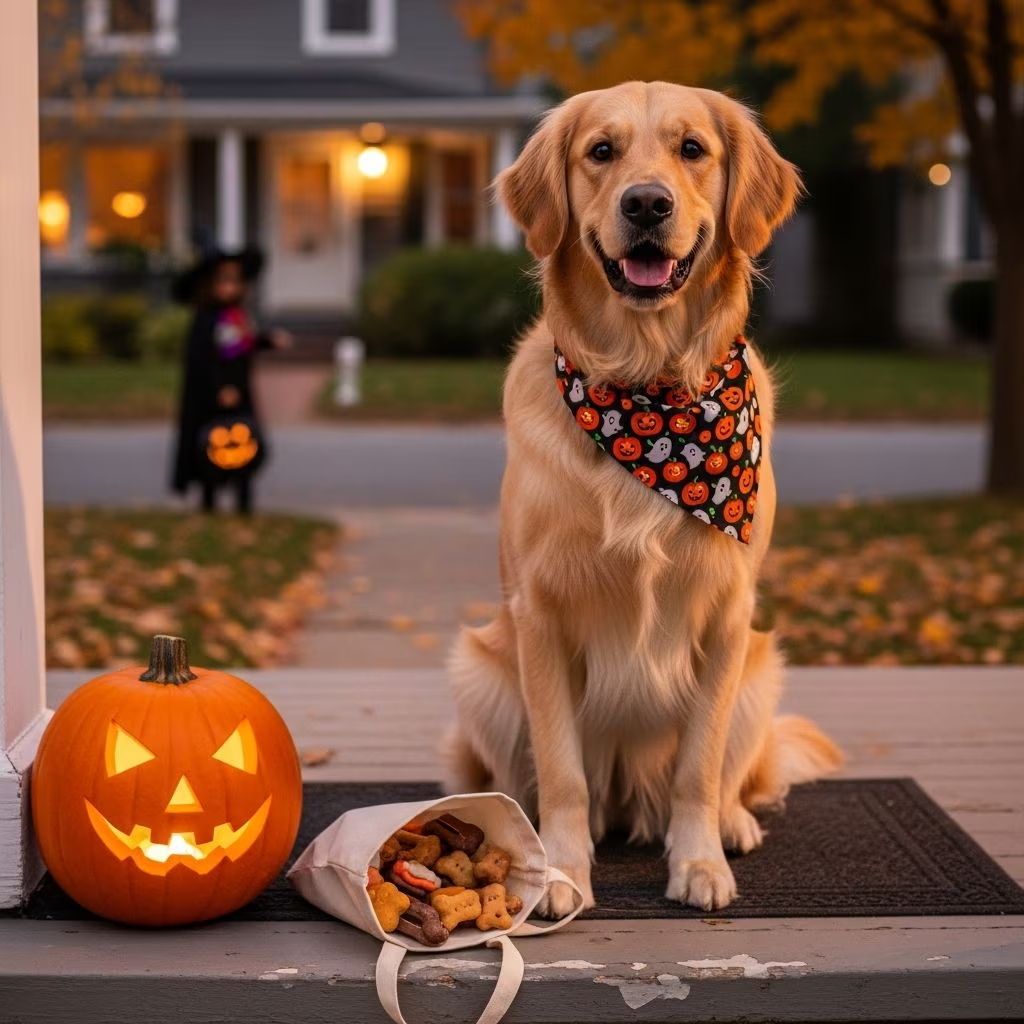
Dog Trick-or-Treat: Halloween Safety & Fun Tips
Halloween is a festive time for families, but for dogs, it can be a mix of excitement and stress. With candy, costumes, decorations, and trick-or-treaters, there are many potential hazards for your furry friend. This guide covers everything you need to know to keep your dog safe and happy during Halloween, from choosing the right treats to managing stress and ensuring your pet’s identification is up to date.
Keep Candy and Treats Secure
Halloween candy is a highlight of the season for kids, but for dogs, it can be a source of real danger. Many common Halloween treats are toxic to dogs and can cause life-threatening illness. According to the American Veterinary Medical Association (AVMA), chocolate, raisins, and sugar-free gum containing xylitol are particularly dangerous. Even candy wrappers can be harmful if swallowed. Because you cannot always tell which ingredients are inside a treat, the safest option is to keep all candy and gum well out of reach.
- Chocolate: Contains theobromine and caffeine, which can cause vomiting, diarrhea, seizures, and even death in dogs.
- Raisins and Grapes: Can cause kidney failure in dogs, even in small amounts.
- Xylitol: Found in sugar-free gum and some candies, xylitol can cause a rapid drop in blood sugar and liver failure in dogs.
- Candy Wrappers: Can cause choking or intestinal blockages if swallowed.
If you’d like to give your dog a special treat this Halloween, consider making your own pumpkin dog treats or buying pet-safe treats that contain pumpkin. These are safe and enjoyable for dogs.
Reduce Stress from Trick-or-Treaters
Halloween brings a steady flow of doorbell rings and unfamiliar visitors in costumes, which can be unsettling for many dogs. Instead of letting your pup endure the chaos, create a calm space away from the action. Choose a quiet room stocked with their bed, favorite toys, and some soothing background noise like music or a white noise machine. This will help your dog feel more secure and less stressed during the busy evening.
- Provide a quiet room with familiar items.
- Use calming music or a white noise machine.
- Practice with a friend approaching the door to help your dog get used to visitors.
Costume and Decoration Safety
Dressing pets in costumes can be adorable, but safety must always come first. Costumes should fit comfortably without blocking sight, breathing, or movement. Avoid designs with small or dangling pieces that can be chewed off and swallowed. The American Veterinary Medical Association suggests introducing costumes slowly before Halloween night so your pet feels comfortable and never leaving a costumed pet unsupervised.
- Ensure costumes fit well and do not restrict movement.
- Avoid costumes with small or dangling parts.
- Introduce costumes gradually to help your pet feel comfortable.
- Never leave a costumed pet unsupervised.
Home decorations can be just as risky. Glow sticks, cords, batteries, and small objects can become choking hazards. Lit candles and jack-o-lanterns are also dangerous if knocked over. Consider pet-safe alternatives like LED candles or decorations placed out of reach to reduce the risk of accidents.
- Keep glow sticks and cords out of reach.
- Use LED candles instead of real ones.
- Place decorations out of reach.
Secure Your Dog During Trick-or-Treating
With the door constantly opening and strangers in costumes coming and going, Halloween can be overwhelming for dogs. To prevent stress or the chance of an escape, keep your dog in a quiet room with their favorite toys or a crate during peak trick-or-treat hours. If possible, turn on some calming music or TV for a soothing atmosphere.
- Keep your dog in a quiet room or crate.
- Provide favorite toys and calming music.
- Ensure your dog’s ID tags and microchip information are up to date.
Update ID Tags and Microchips
Even with the best preparations, there’s always a chance that your dog might get spooked and dash outside. Make sure their ID tags have current contact information, and verify that their microchip is registered and up to date. This small step can make all the difference in reuniting with your pet quickly.
- Check and update ID tags.
- Verify microchip registration.
Walk Your Dog While It’s Still Light Out
Walk your dog while it’s still light out, if possible. Your dog may find candy, wrappers, and broken eggs on lawns and streets. Make sure that these tempting treats stay out of reach. Don’t leave your dog unattended outside on Halloween, even if they’re behind a fence.
- Walk your dog during daylight hours.
- Keep an eye out for candy and wrappers.
- Never leave your dog unattended outside.
Consider Daycare or Boarding
If your home will be busy or you will be out for the evening, consider daycare or boarding for your dog. This can help reduce stress and ensure your pet is safe and supervised.
- Choose a reputable daycare or boarding facility.
- Ensure your dog is comfortable with the environment.
Frequently Asked Questions (FAQs)
Q: What should I do if my dog eats Halloween candy?
A: If your dog eats Halloween candy, especially chocolate, raisins, or xylitol, contact your veterinarian or emergency veterinary clinic immediately. Prompt action can help reduce the risk to your pet.
Q: How can I help my dog feel less stressed during Halloween?
A: Create a calm space away from the door, provide favorite toys, and use calming music or a white noise machine. Practice with a friend approaching the door to help your dog get used to visitors.
Q: Are dog costumes safe?
A: Dog costumes can be safe if they fit well, do not restrict movement, and do not have small or dangling parts. Introduce costumes gradually and never leave a costumed pet unsupervised.
Q: What should I do if my dog escapes during Halloween?
A: If your dog escapes, check your neighborhood and contact local animal shelters. Make sure your dog’s ID tags and microchip information are up to date to increase the chances of a quick reunion.
References
- Halloween Safety Tips for Dogs: Keep Your Pup Safe & Stress-Free — Pet Suites of America. 2023. https://www.petsuitesofamerica.com/blog/halloween-dog-safety-stress-tips
- Halloween Safety Tips for Dog Owners — American Kennel Club. 2023. https://www.akc.org/expert-advice/lifestyle/halloween-safety-tips-for-dog-owners/
- Halloween Safety Tips for Dog Owners — Guardian Revival. 2023. https://www.guardianrevival.org/blog/halloween-safety-tips-for-dog-owners
- Halloween Pet Safety Tips! — Kyhumane. 2023. https://www.kyhumane.org/blog/halloween-pet-safety-tips/
- Tips for a Dog-Friendly Halloween — Dogs Inc. 2023. https://dogsinc.org/blog/ask-the-trainer/tips-for-a-dog-friendly-halloween/
- Halloween Pet Safety Tips — DoveLewis Emergency Animal Hospital. 2023. https://www.dovelewis.org/halloween-pet-safety-tips
- Halloween Safety Tips — ASPCA. 2023. https://www.aspca.org/pet-care/general-pet-care/halloween-safety-tips
- Five Halloween safety tips for you and your pet — Animal Humane Society. 2023. https://www.animalhumanesociety.org/resource/five-halloween-safety-tips-you-and-your-pet



