Dog Treadmills Essentials
Unlock the potential of dog treadmills for fitness, rehab, and energy management with this comprehensive guide to types, benefits, and safe usage.
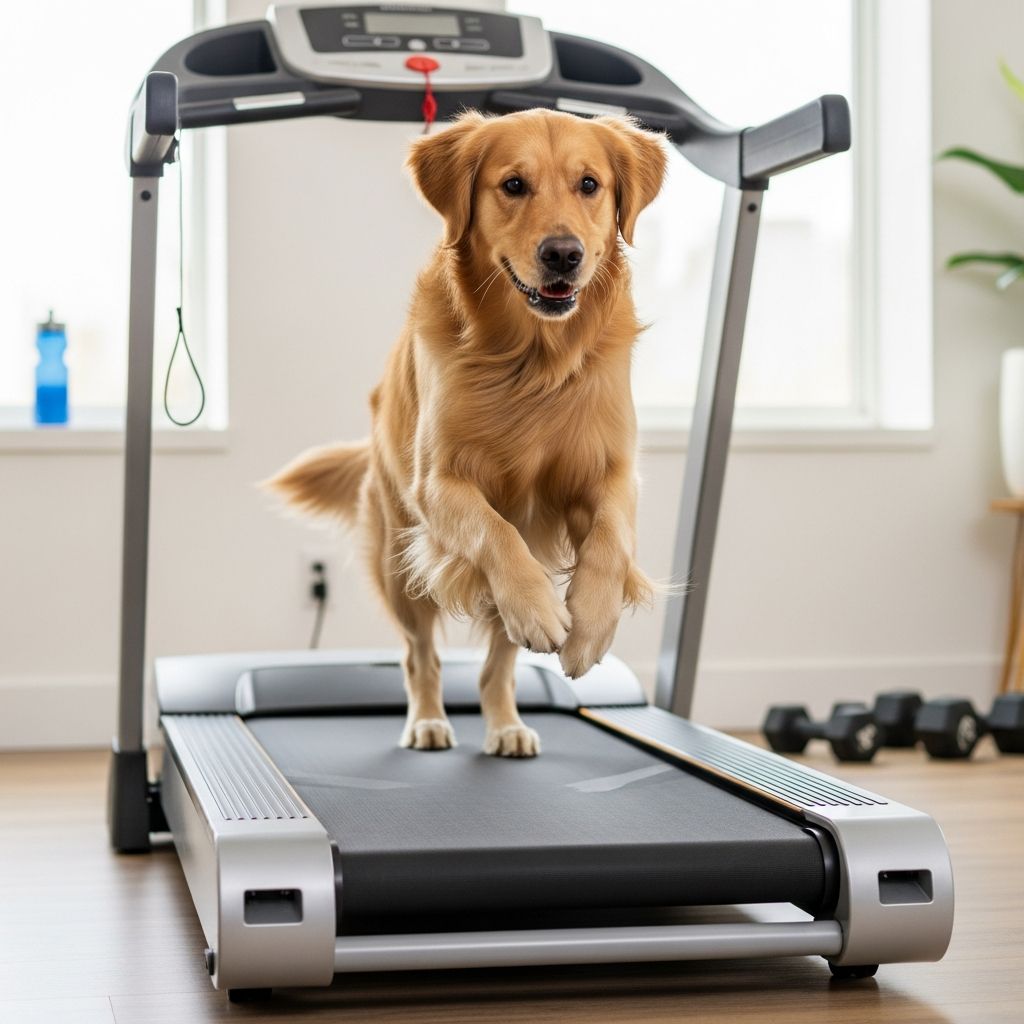
Dog treadmills provide a controlled environment for physical activity, ideal for maintaining fitness indoors regardless of weather. They support weight management, conditioning, and rehabilitation while addressing behavioral needs in active pets.
Why Incorporate Treadmills into Canine Routines?
Modern lifestyles often limit outdoor exercise opportunities due to busy schedules or harsh weather. Treadmills offer a reliable alternative, ensuring dogs receive consistent activity to promote health and prevent obesity, a common issue affecting joint and heart function.
Key advantages include building endurance, strengthening muscles, and providing low-impact workouts suitable for various ages and conditions. For high-drive breeds like Huskies or Border Collies, they channel energy productively, reducing issues like excessive barking or destruction.
Types of Dog Treadmills Available
Two primary categories dominate the market: motorized and manual (dog-powered) models. Each suits different needs based on control, space, and training goals.
| Feature | Motorized | Manual |
|---|---|---|
| Speed Control | Owner-operated for precise pacing | Dog-driven for natural gait |
| Safety | Risk of motor issues; supervision required | Stops when dog pauses; no electrical hazards |
| Workout Type | Aerobic focus | Anaerobic with higher calorie burn |
| Space Needs | Larger deck for drift | Compact with harness support |
| Noise Level | Moderate from motor | Louder mechanical action |
Motorized units allow structured sessions mimicking professional conditioning, while manual ones engage dogs more actively by requiring propulsion.
Core Benefits for Physical and Mental Wellness
- Weather-Independent Fitness: Exercise year-round without rain, heat, or snow interruptions, guaranteeing 365-day routines.
- Weight Control and Muscle Tone: Controlled calories burned aid obesity prevention; manual models target hindquarters for better stability.
- Behavioral Improvements: Drains excess energy in high-energy dogs, curbing chewing, digging, and anxiety-driven actions.
- Rehabilitation Support: Low-impact motion aids post-surgery recovery, gait retraining, and joint preservation in seniors.
- Time-Saving Efficiency: Short, focused 20-30 minute sessions outperform inconsistent walks for busy owners.
Studies from veterinary centers note treadmills extend hind limb motion, benefiting hip dysplasia cases despite not fully replicating natural terrain.
Situations Where Treadmills Shine
Treadmills excel for specific lifestyles and health profiles:
- Apartment dwellers lacking yard space.
- Owners with mobility limitations needing hands-free options.
- Athletic dogs preparing for sports like agility or herding.
- Puppies or seniors requiring gentle, progressive exercise.
- Post-injury rehab under veterinary guidance.
For instance, working breeds benefit from daily sessions to match their stamina demands, while overweight pets use them for steady calorie deficit alongside diet.
Potential Drawbacks and Risk Mitigation
No tool is flawless. Common concerns include:
- Training Resistance: Some dogs fear the motion; manual types may frustrate lazy pets.
- Overuse Injuries: Fatigue signs like heavy breathing or gait changes signal stopping.
- Gait Alterations: Short decks restrict stride, potentially straining shoulders or hips.
- Space and Cost: Bulky and pricey, especially quality models.
To counter these, select treadmills matching dog size—decks should allow mid-position movement. Always supervise, never force participation, and blend with outdoor walks for sensory enrichment.
How to Train Your Dog Safely
Introduction demands patience and positivity. Follow this step-by-step approach:
- Acclimation Phase: Let the dog sniff and stand on the stationary unit with treats.
- Short Bursts: Power on at slowest speed for 1-2 minutes, using lures or harnesses.
- Gradual Build: Increase time by 2-5 minutes weekly, monitoring comfort.
- Positive Reinforcement: Reward completion with play or meals to build association.
- Professional Input: Consult vets for rehab protocols.
Manual treadmills train via natural drive; motorized via gentle belt progression. Avoid human treadmills—their short belts and bipedal design shorten canine gaits.
Choosing the Right Treadmill Model
Assess these factors:
- Size Match: Small breeds need 40-60″ decks; large over 80″.
- Weight Capacity: Ensure 1.5x dog’s weight for safety.
- Features: Remote controls, inclines, shock absorption.
- Material: Slat belts for grip; avoid slippery surfaces.
Manual options like those from specialized canine brands prioritize joint health for bigger dogs.
FAQs on Dog Treadmills
Are dog treadmills safe?
Yes, with proper sizing, supervision, and training. Dog-powered models minimize overexertion risks.
How long should sessions last?
Start at 5-10 minutes, building to 30 based on fitness level. Watch for fatigue.
Can puppies use them?
Growing pups benefit from short, slow sessions post-6 months, per vet approval.
Do they replace walks?
No—supplement for physical burn, but outdoor time provides mental and social needs.
What about senior dogs?
Ideal for gentle joint maintenance; manual paces self-regulate effort.
Expert Tips for Long-Term Success
Integrate treadmills into varied routines: warm-ups before strength work, cool-downs post-play. Track progress with weight logs and behavior notes. Veterinary rehab centers endorse them for conditioning programs when tailored correctly.
For obese or injured dogs, combine with professional plans. High-energy scenarios, like multi-dog homes or urban living, see dramatic improvements in calm and health.
References
- Dog Treadmills: Do You Need One? — Dogs Naturally Magazine. 2023. https://www.dogsnaturallymagazine.com/dog-treadmills/
- The Ultimate Guide to Dog Treadmills: Benefits, Risks, and When to Use One — K9Move. 2024-05-15. https://k9move.com/blogs/journal/the-ultimate-guide-to-dog-treadmills-benefits-risks-and-when-to-use-one
- Are Dog Treadmills Good for Dogs? — Under the Weather Pet. 2023-11-20. https://www.undertheweatherpet.com/blogs/under-the-weather/are-dog-treadmills-good-for-dogs
- Why Mechanical Dog Treadmills Are Safe and Beneficial — Firepaw. 2024. https://firepaw.eu/why-mechanical-dog-treadmills-are-safe-and-beneficial-for-your-canine-companion/
- Dog Treadmills: What You Need to Know — Preventive Vet. 2023-08-10. https://www.preventivevet.com/dogs/dog-treadmills-what-you-need-to-know
- Treadmills for Canine Conditioning Programs: What You Should Know — MC Rehabilitation. 2022-06-01. https://www.mcrehabilitation.com/blog/treadmills-for-canine-conditioning-programs-what-you-should-know
- Treadmill Training for Dogs — Cornell University College of Veterinary Medicine. 2024-01-15. https://www.vet.cornell.edu/departments-centers-and-institutes/riney-canine-health-center/canine-health-topics/treadmill-training-dogs
Similar Articles








Read full bio of medha deb