

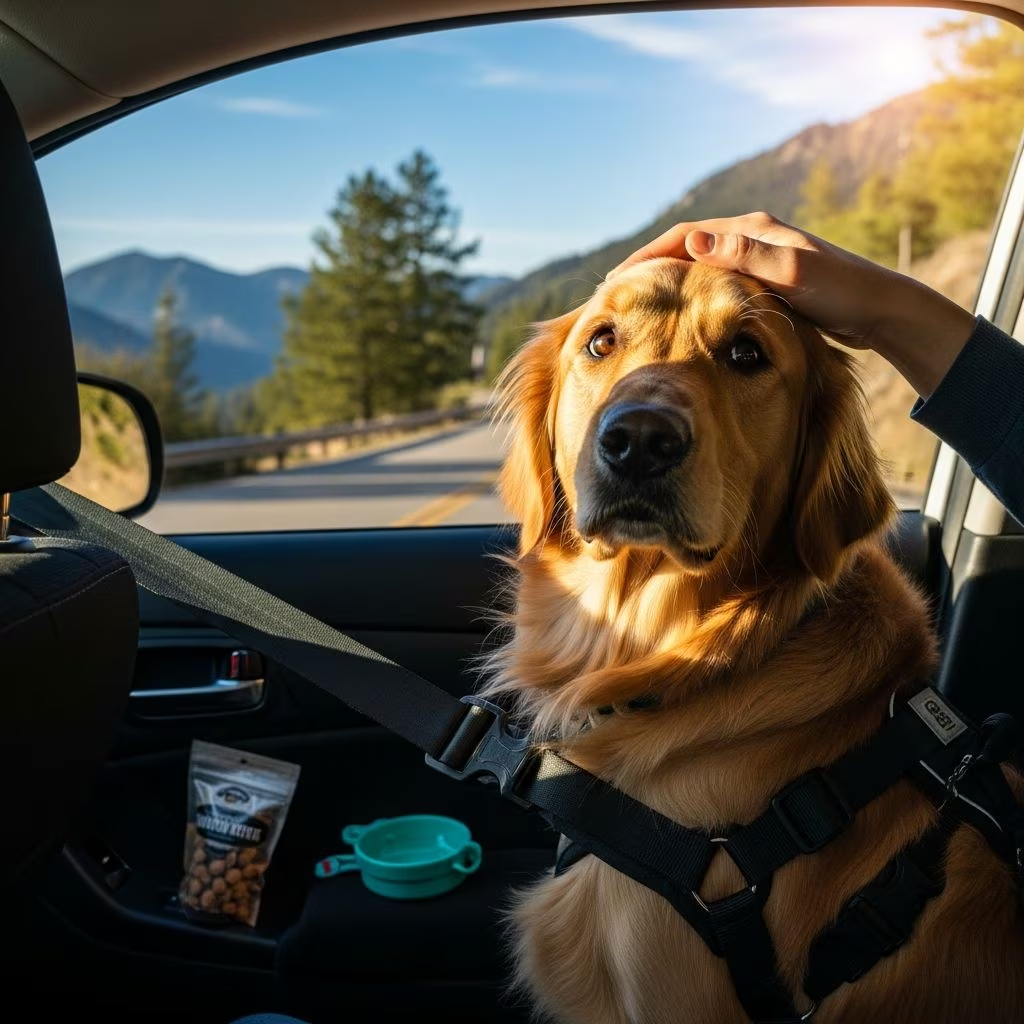
Traveling with your canine companion can be one of the most rewarding experiences for pet owners, but it requires careful planning and preparation. Whether you’re embarking on a weekend getaway or a cross-country adventure, understanding how to properly prepare your dog for travel ensures both their comfort and your peace of mind. This comprehensive guide covers everything you need to know about transporting your dog safely, packing the right supplies, and addressing special travel considerations.
Pre-Travel Preparation and Health Requirements
Before your dog ever steps foot in a vehicle or boarding area, several important preparatory steps must be taken. The foundation of safe travel begins with your dog’s health and documentation.
Veterinary consultation should be your first priority weeks before departure. Schedule an appointment to ensure your dog is in good health for travel and discuss any travel-related concerns specific to your dog’s age, breed, or existing health conditions. Request a comprehensive health certificate from your veterinarian, which may be required for air travel or crossing state lines. This certificate typically must be issued within 10 days of your departure date. Ask your vet about motion sickness prevention, anxiety management, and any medications your dog might need during the journey.
Vaccinations require special attention, as many airlines and accommodations require proof of current immunizations, particularly rabies vaccination. Maintain updated copies of your dog’s vaccination records and medical history in both digital and physical formats. If your dog takes prescription medications, ensure you have an adequate supply for the entire trip plus a few extra days in case of unexpected delays.
Microchipping provides critical protection if your dog becomes lost during travel. Ensure your microchip information is current and linked to your phone number and email address. Additionally, have your dog wear a collar with an updated ID tag displaying your cell phone number and, if possible, a temporary local address at your destination. This dual identification system significantly increases the chances of reuniting with your dog if separation occurs.
Identifying Pet-Friendly Accommodations and Services
Your destination choice and lodging directly impact your travel experience with your dog. Research and book pet-friendly hotels, vacation rentals, or other accommodations well in advance. When confirming your reservations, specifically ask about pet policies, including size restrictions, additional fees, and amenities for dogs. Some facilities offer designated pet relief areas, water bowls, or special bedding for traveling pets.
Beyond lodging, identify local veterinary services at your destination. Locate both a regular veterinary clinic and an emergency veterinary hospital, noting their hours of operation and contact information. This preparation proves invaluable if your dog experiences illness or injury during your trip. Additionally, research dog-friendly parks, walking trails, and outdoor dining areas where you can exercise your dog and enjoy activities together. Apps and websites dedicated to pet-friendly locations can help streamline this research process.
Essential Packing Components for Dog Travel
Packing efficiently requires organizing your dog’s supplies into categories, making them easily accessible when needed. Many pet owners benefit from using a dedicated travel bag or organizer designed specifically for canine essentials rather than mixing them with personal luggage.
Nutrition and Hydration Supplies
Maintaining your dog’s regular diet during travel prevents digestive upset and keeps them feeling comfortable in unfamiliar environments. Pack enough of your dog’s regular food for the entire journey, plus a few extra days’ worth in case of unexpected delays. If your dog has dietary restrictions or allergies, bring all appropriate food and treats to avoid substitutions that might cause digestive issues.
Portable water and feeding equipment are indispensable for travel. Collapsible silicone bowls save space while providing practical mealtime solutions. Some designs include carabiners that attach to leashes or backpacks. Carry fresh water from home, as changes in water sources can sometimes upset sensitive digestive systems. Bring a water bottle with a portable bowl, or pack a supply of bottled water. When traveling by air, freeze a small dish of water that will gradually melt during the journey, providing hydration without spilling.
High-quality treats serve multiple purposes during travel, providing reward for good behavior, mental stimulation, and comfort during stressful moments. Pack a variety of treats your dog enjoys, including long-lasting chews that can occupy them during travel segments.
Safety and Containment Equipment
Proper restraint during vehicle travel protects your dog from injury in case of sudden stops or accidents. For car travel, options include crash-tested carriers, seatbelt harnesses, or specialized dog car seats. These devices not only protect your dog but also minimize distractions while driving. A sturdy leash and well-fitted harness are essential for walks during breaks and in unfenced areas where your dog cannot roam freely.
If flying with your dog, most airlines require transport in an airline-approved carrier. Begin crate training weeks or months before your flight, making the carrier a positive space associated with treats, toys, and comfort rather than punishment or confinement. Allow your dog to explore the carrier at home, leaving it open during normal activities so they develop positive associations with this space.
Comfort and Hygiene Items
Bringing familiar items reduces stress and helps your dog adjust to new environments. Pack your dog’s favorite bed or blanket, toys they enjoy, and any comfort items associated with home. Familiar scents can be remarkably soothing during travel.
For car travel, bring towels or seat covers to protect both your dog from hot seats and the vehicle from dirt or shedding. Window shades can prevent excessive heat and sun exposure during stops. For dogs traveling in cargo or vehicles, proper ventilation and climate control are critical safety considerations.
Cleaning supplies prove invaluable for unexpected accidents. Include paper towels, disinfecting wipes, plastic bags, and enzymatic cleaners designed for pet accidents. Additionally, bring paw booties for extreme weather conditions and protective coats or raincoats appropriate to your destination’s climate.
Health and Safety Considerations
Travel exposes your dog to various environmental changes that require proactive health management. Create a portable pet first-aid kit containing essentials your dog might need during the journey:
- Bandages and antiseptic wipes for minor cuts or scrapes
- Tweezers for removing splinters or ticks
- Digital thermometer for monitoring fever
- Any regular medications your dog takes
- Emergency contact information for veterinarians at your destination
- Recent photograph of your dog in case separation occurs
Before traveling, administer flea, tick, and heartworm prevention according to your veterinarian’s recommendations. Even if your dog uses prevention at home, travel increases exposure to parasites, making preventative measures especially important.
For dogs experiencing travel anxiety, discuss calming solutions with your veterinarian. Options may include anxiety medications, natural calming supplements, or pheromone products. However, avoid introducing new medications immediately before travel; test them at home first to understand how your dog responds.
Managing Travel by Different Methods
Road Trip Strategies
Road travel offers flexibility in packing and timing, as you’re not constrained by airline baggage limits. However, it requires planning for regular breaks and comfort during extended driving periods.
For dogs unaccustomed to car rides, take short trips before your planned journey to acclimate them to vehicle motion. Provide consistent ventilation and fresh air throughout the journey. Exercise your dog thoroughly before driving segments to encourage relaxation and napping during travel. However, avoid feeding immediately before travel; wait approximately 4 hours after eating to prevent motion sickness or accidents.
Schedule stops every 2-3 hours to allow your dog to stretch, relieve themselves, and burn energy. Research dog-friendly rest areas and parks along your route beforehand, preventing frustration of discovering restrictions at unfamiliar locations. Bring potty bags and always clean up after your dog, respecting shared spaces.
Air Travel Preparation
Flying with your dog introduces additional considerations and requirements. Begin preparation by reviewing your airline’s specific pet policies, which vary significantly between carriers. Understand size and weight restrictions, carrier specifications, and whether your dog flies in the cabin or cargo hold.
Crate training is essential weeks or months before your flight. Introduce the carrier gradually, allowing your dog to become comfortable spending time inside with positive associations. On the day of travel, take your dog for a good walk before arriving at the airport to allow bathroom relief and exercise. Maintain regular feeding schedules throughout the day with smaller portions, and provide water consistently. Give your dog a final bathroom break before security screening.
For long-haul flights, attach feeding instructions to the carrier if your flight is lengthy. Ensure the carrier is properly labeled with your contact information, and carry your dog’s health certificate and vaccination records in easily accessible locations.
Age-Specific Travel Considerations
Your dog’s age significantly impacts travel planning and comfort needs. Different life stages present unique challenges and require adjusted approaches.
Puppies require more frequent bathroom breaks, typically every 1-2 hours, and may become overstimulated by new environments. Bring familiar toys for comfort and pack more supplies to accommodate frequent accidents. Keep feeding portions consistent with their regular home schedule, as digestive systems are still developing.
Adult dogs typically adapt best to travel and handle longer journeys more comfortably. They still benefit from regular exercise opportunities and activities between travel segments that allow them to burn energy and explore safely.
Senior dogs may need orthopedic bedding for comfort during long journeys and more frequent stretch breaks to prevent stiffness and discomfort. Pack any medications they require, and consider bringing joint supplements for extended trips. Shorter driving days with more frequent stops may be preferable for aging dogs with reduced stamina or mobility issues.
Special Requirements and Dietary Considerations
Every dog has unique needs based on their individual health, size, and temperament. Dogs with dietary allergies or sensitivities require special food planning. Pack appropriate meals and treats exclusively, as substitutions can trigger digestive upset or allergic reactions. Keep meals the same as home to maintain consistency.
Physical limitations require itinerary adjustments and activity planning that accommodates your dog’s fitness level and health status. Brachycephalic breeds (flat-faced dogs) are particularly sensitive to temperature and exertion, requiring careful climate control and limited exercise in heat. Similarly, dogs with orthopedic issues may need modified activities.
If traveling to climates significantly different from your home, bring appropriate gear such as jackets for cold weather or protective booties for snow and salt. Hot climates require increased hydration, shade during rest periods, and modified exercise timing to avoid peak heat hours.
Frequently Asked Questions
How far in advance should I prepare my dog for travel?
Begin preparation 4-8 weeks before your trip. Schedule veterinary appointments immediately, arrange accommodations and transportation, and start crate training if flying. This timeline allows adequate adjustment time for your dog.
What documents do I need when traveling with my dog?
Carry vaccination records, health certificates (issued within 10 days of travel), microchip registration information, and identification showing your contact details. Keep both physical and digital copies.
Can I give my dog medication to help with travel anxiety?
Discuss anxiety management with your veterinarian. Options include medications, supplements, or behavioral techniques. Always test any new medications at home before traveling to understand your dog’s response.
What’s the best way to introduce my dog to a travel carrier?
Leave the carrier open in your home, placing treats and toys inside. Allow your dog to explore voluntarily without pressure. Feed meals near or inside the carrier to create positive associations over several weeks.
How often should my dog have bathroom breaks during road trips?
Plan stops every 2-3 hours for bathroom breaks, exercise, and stretching. Puppies may need more frequent breaks every 1-2 hours. Research pet-friendly rest areas before your trip.
Final Travel Tips for Success
Successful travel with your dog combines thorough preparation with flexibility. Pack more supplies than you think you’ll need, as replacing items in unfamiliar locations can be challenging and expensive. Take photos of your dog before traveling, capturing their appearance clearly in case separation occurs.
Maintain your dog’s regular routine as much as possible during travel, including consistent meal times and exercise schedules. This familiarity reduces stress and helps your dog adjust to new environments more easily. Be patient with your dog as they experience new situations, and celebrate their successful travel experiences with enthusiasm.
Travel with your dog deepens your bond while creating lasting memories. Proper preparation and attention to their needs ensures that these adventures remain positive experiences both you and your canine companion will treasure.
References
- Travel Check List and Packing List — Dog Jaunt. Accessed February 2026. https://www.dogjaunt.com/guides/travel-check-list-and-packing-list/
- The Complete Dog Travel Checklist — Continental Kennel Club. 2025. https://ckcusa.com/blog/2025/july/the-complete-dog-travel-checklist/
- The Ultimate Travel Checklist for Dog Owners — Woof. Accessed February 2026. https://mywoof.com/blogs/articles/the-ultimate-travel-checklist-for-dog-owners



