
Dog Training Methods Guide
Explore proven dog training approaches, from reward-based techniques to balanced methods, to find the best fit for your pup's needs and behavior.
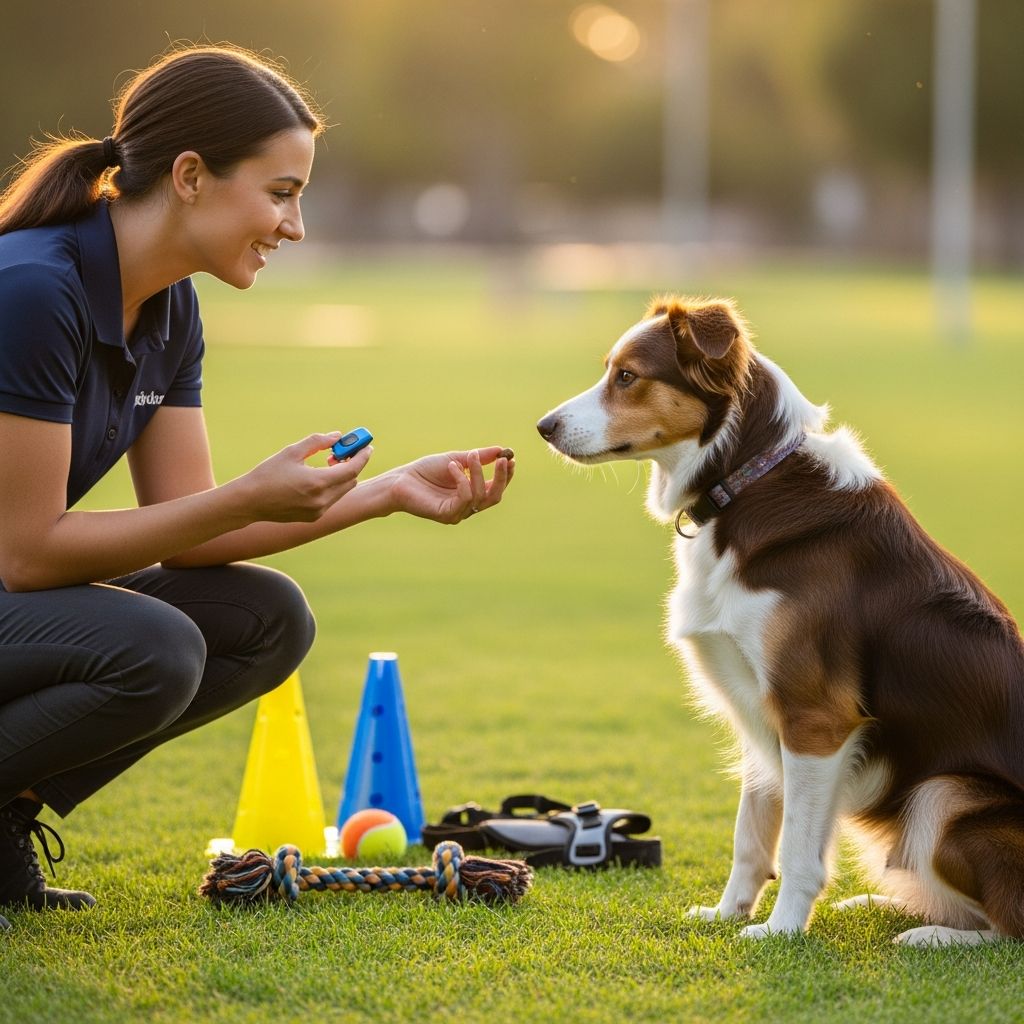
Selecting the right dog training method can transform your relationship with your pet, fostering obedience, confidence, and joy. This guide examines key approaches, drawing from established practices to help you choose effectively.
Core Principles of Modern Dog Training
Dog training revolves around understanding how canines learn through associations, consequences, and social cues. Methods leverage operant conditioning—where behaviors increase with rewards or decrease with penalties—and classical conditioning, linking stimuli to responses. Humane techniques prioritize building trust, avoiding fear induction.
Positive Reinforcement: Building Behaviors Through Rewards
This dominant approach rewards desired actions with treats, toys, praise, or play, encouraging repetition. Dogs associate good outcomes with specific behaviors like sitting or staying, making learning engaging.
- Key Benefits: Boosts confidence, reduces stress, suitable for all ages including rescues and puppies.
- Implementation: Mark the behavior instantly, then reward. Consistency from all household members is crucial.
- Challenges: Demands patience; over-reliance on treats may fade motivation if phased out improperly.
Studies affirm its efficacy in professional fields like law enforcement and scent detection, proving lasting results without force.
Clicker Training: Precision Marking for Advanced Skills
A refined positive reinforcement variant, clicker training employs a distinct clicking sound from a small device to pinpoint exact moments of correct behavior, followed by a reward. This clarity accelerates learning for complex tasks.
| Aspect | Details |
|---|---|
| Best For | Agility, tricks, competitive obedience |
| Pros | Fast acquisition, fun for dog and owner |
| Cons | Requires initial “charging” of the clicker |
Begin in low-distraction settings, gradually increasing complexity as mastery grows.
Science-Based and Relationship-Focused Training
Grounded in ethology, psychology, and behavior analysis, these methods tailor programs to individual dogs using research on learning theory. They emphasize management of environments to prevent unwanted actions while rewarding alternatives.
- Relationship-based training strengthens bonds via mutual respect, using play and attention as reinforcers.
- Science-informed plans incorporate operant and classical conditioning for ethical, effective change.
Pros include adaptability and long-term success; it’s ideal for behavioral issues like anxiety.
Model-Rival and Observational Learning
Harnessing dogs’ social instincts, this technique has a proficient dog or person model behaviors for the learner to imitate. No direct rewards for the observer; the act becomes intrinsically motivating.
Common in herding and search-rescue, it excites learners—barking from enthusiasm aids retention. Start with simple tasks in controlled settings.
Balanced Training: Rewards Meet Corrections
Combining positive reinforcement with measured aversives like leash pops or tool-based feedback, balanced training addresses non-compliance directly. It assumes clear leadership without dominance myths.
- Tools: Prong collars, e-collars for precise communication.
- Approach: Reward compliance; correct resistance calmly.
- Pros: Quick for stubborn cases; comprehensive.
- Cons: Risk of fear if misused; needs skilled handlers.
Not purely punishment-driven, it balances for real-world reliability.
LIMA: Least Intrusive, Minimally Aversive
This pragmatic philosophy starts with gentlest methods, escalating only as needed per evidence. It bridges pure positive and balanced camps, prioritizing welfare.
Assess dog and context: Use rewards first, add minimal aversives if ineffective. Flexible for families.
Traditional Correction-Based Methods: A Fading Practice
Centered on stopping bad behaviors via punishment—leash jerks, shouts, or shock tools—this outdated method risks aggression and shutdown. Modern consensus deems it inferior to reward-focused alternatives.
While some defend for dominance, science shows it damages trust.
Comparing Popular Dog Training Methods
| Method | Focus | Tools | Ideal For | Potential Drawbacks |
|---|---|---|---|---|
| Positive Reinforcement | Rewards | Treats, toys | Puppies, fearful dogs | Time-intensive |
| Clicker | Marking + rewards | Clicker device | Precision skills | Learning curve |
| Balanced | Rewards + corrections | Collars, e-collars | High-drive dogs | Misuse risks |
| LIMA | Minimal intervention | Varied | Most cases | Requires assessment |
| Model-Rival | Observation | Demo dogs/people | Social breeds | Setup complexity |
This overview highlights trade-offs; select based on your dog’s temperament.
Factors for Choosing the Right Method
Consider breed, age, issues, and lifestyle. Puppies thrive on positive methods; working dogs may need balanced. Seek trainers with proven results, flexible tools, and client references.
- Green flags: In-home sessions, relationship focus, transparency.
- Observe sessions; ensure welfare emphasis.
Step-by-Step Guide to Start Training
- Assess Needs: Note behaviors, triggers.
- Pick Method: Start positive; adjust via LIMA.
- Gather Tools: High-value rewards, clicker if chosen.
- Practice Daily: Short, frequent sessions.
- Track Progress: Adjust for plateaus.
- Professional Help: For aggression or fears.
Common Mistakes and How to Avoid Them
- Inconsistency: Align all family members.
- Timing Errors: Reward/mark within seconds.
- Overlooking Management: Prevent rehearsals of bad habits.
- Ignoring Motivation: Use individualized rewards.
FAQs
What is the best dog training method?
Positive reinforcement is the gold standard for most, per science, but balanced suits some high-drive dogs.
Is clicker training better than treats alone?
It’s more precise for timing, enhancing speed.
Are shock collars harmful?
When misused, yes; ethical use in balanced training minimizes risks.
How long to see results?
Weeks with consistency; basics in days.
Can I train multiple dogs together?
Yes, model-rival excels here.
Advanced Tips for Lasting Success
Generalize behaviors across environments, fade rewards gradually, maintain lifelong sessions. Integrate training into daily routines for reinforcement.
References
- Common Dog Training Methods and Their Pros and Cons — Astro Loyalty. 2023-01-15. https://www.astroloyalty.com/common-dog-training-methods-and-their-pros-and-cons/
- 12 Dog Training Methods Explained: A Science-Backed Guide — QC Pet Studies. 2025-10-12. https://www.qcpetstudies.com/blog/2025/10/12-dog-training-methods-explained-science-backed-guide
- Dog Training Methods and Beliefs- What are the differences? — DeMarinis Dog Training. 2024-05-20. https://www.demarinisdogtraining.com/blog/dog-training-methods-and-beliefs-what-are-the-differences
- Understanding the different types of training methods — Noel Hoffmann. 2023-08-10. https://noelhoffmann.com/understanding-the-different-methods-of-training-dogs/
- Which Dog Training Method is the Best? — Pack Leader Help. 2024-02-28. https://www.packleaderhelp.com/post/which-dog-training-method-is-the-best
Similar Articles








Read full bio of Sneha Tete




