
Dog Training Certifications Explained
Navigate the confusing world of dog trainer credentials to find qualified professionals who can truly help your pup thrive.
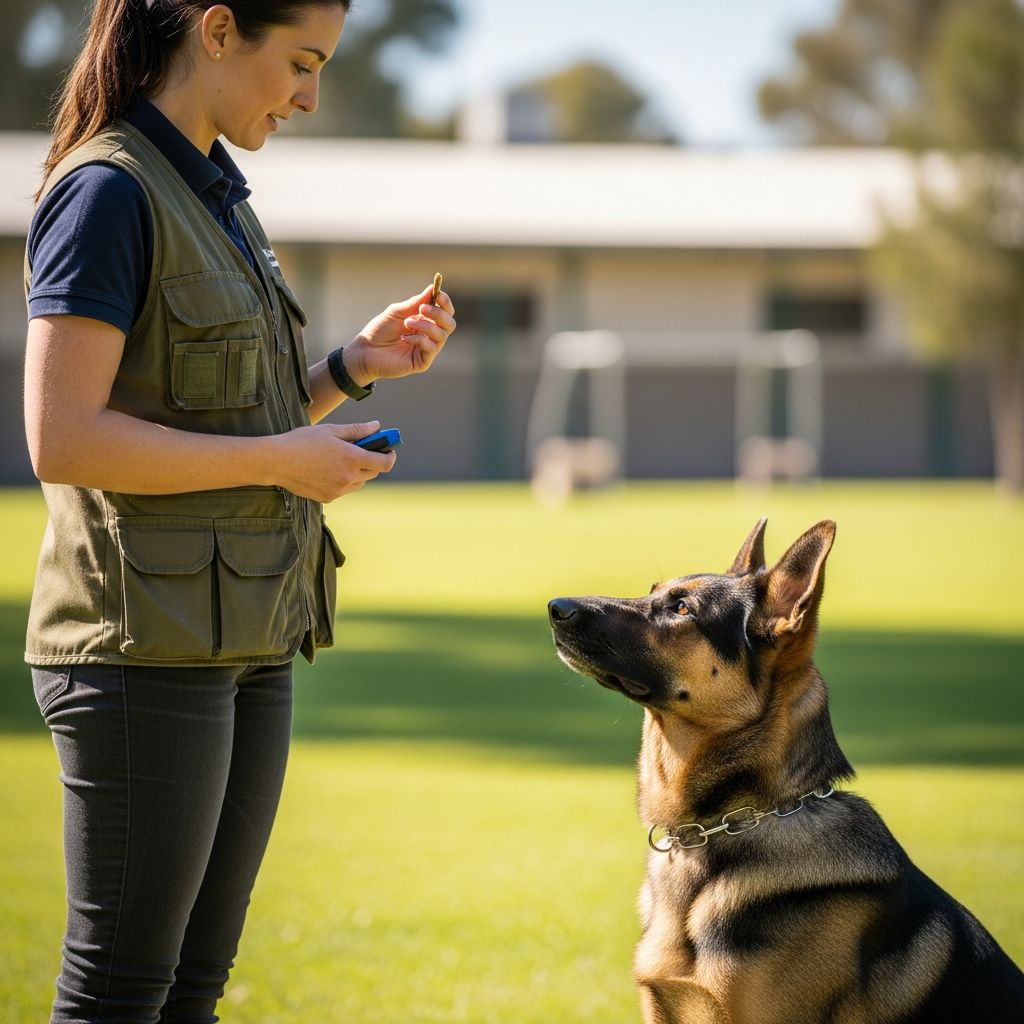
Choosing a dog trainer can feel overwhelming with so many acronyms floating around. Certifications signal a trainer’s commitment to professional standards, but not all are created equal. This guide breaks down the most recognized credentials, their requirements, and what they mean for your dog’s training success.
Why Certifications Matter in Dog Training
Certifications provide a benchmark for knowledge and skills in canine learning theory, ethology, and practical training methods. They ensure trainers follow ethical guidelines and stay updated through continuing education. However, the value depends on the certifying body—third-party organizations offer independent validation, while first-party ones tie directly to specific programs.
Pet owners benefit from certified trainers who use science-based, force-free techniques, reducing risks of fear or aggression in dogs. Look for credentials that require hands-on experience, exams, and recertification to confirm ongoing competence.
Key Types of Dog Training Certifications
Several organizations lead the field, each with unique focuses. Here’s an overview of prominent ones:
- Certification Council for Professional Dog Trainers (CCPDT): Offers CPDT-KA and CPDT-KSA, emphasizing knowledge and skills assessment.
- International Association of Canine Professionals (IACP): Provides IACP-CDT for experienced trainers committed to ethical practices.
- National Association of Dog Obedience Instructors (NADOI): Targets veteran instructors with extensive teaching hours.
- Association of Animal Behavior Professionals (AABP): Awards AABP-CDBT for behavior-focused technologists.
- Karen Pryor Academy (KPA): Grants KPA-CTP through intensive coursework.
- Pet Professional Guild (PPG): Issues PCT-A and lower levels like CTT-A via accredited boards.
Breaking Down the Most Popular Credentials
CPDT-KA: Entry to Professional Knowledge
The
CPDT-KA
(Certified Professional Dog Trainer – Knowledge Assessed) is a gold standard from CCPDT. Candidates need 300 hours of training experience in the last three years, a reference from a veterinarian or certified trainer, and must pass a rigorous exam.The exam covers 250 multiple-choice questions on topics like learning theory, ethology (animal behavior), training equipment, instruction skills, and animal husbandry. Costing around $385, it demands signing a code of ethics. Recertification every three years requires continuing education or retesting.
| Requirement | Details |
|---|---|
| Experience | 300 hours in 3 years |
| Reference | From CPDT-KA, vet, or equivalent |
| Exam | 250 questions, $385 |
| Maintenance | CE credits or retake every 3 years |
CPDT-KSA: Proving Hands-On Mastery
Building on CPDT-KA, the
CPDT-KSA
(Knowledge and Skills Assessed) evaluates practical abilities. Trainers submit videos of training four dogs in specific exercises and coaching three clients. A $225 exam follows, testing equipment use and client interaction.This credential distinguishes trainers who can apply theory in real scenarios, making it ideal for complex cases like reactivity.
KPA-CTP: Immersive Positive Reinforcement Training
The
KPA-CTP
from Karen Pryor Academy is a first-party certification earned via a six-month program. It includes online lessons, quizzes, at-home exercises, and in-person workshops—totaling about 10 hours weekly.Focused on clicker training and positive methods, it’s respected for its structured curriculum but requires completing KPA courses, unlike independent third-party exams.
Other Notable Certifications
- IACP-CDT: Requires two years’ experience, six months’ membership, and an exam after agreeing to a code of conduct. Annual maintenance is $125.
- NADOI Membership: Demands five years’ experience, including two as head instructor, plus 104 group or 288 private lesson hours.
- AABP-CDBT: Needs 300 hours in five years, insurance, references, 30 supervised hours, and a $200 exam on functional assessments.
- PCT-A (PPG): Third-party accredited; requires training hours, videos, case studies, and CE for levels like Professional Canine Trainer.
First-Party vs. Third-Party Certifications: What’s the Difference?
Third-party certifications** (e.g., CPDT, PPG, IAABC) are issued by independent bodies separate from training schools. They test knowledge and skills objectively, often without requiring specific courses.
First-party certifications** (e.g., KPA-CTP, Victoria Stilwell Academy’s VSA-CDT) come from the same organization offering the education. While valuable for structured learning, they may lack the impartiality of external evaluation.
| Type | Examples | Pros | Cons |
|---|---|---|---|
| Third-Party | CPDT-KA, PCT-A | Independent, rigorous testing | May not include structured courses |
| First-Party | KPA-CTP, VSA-CDT | Comprehensive training provided | Potential bias, higher cost |
How to Evaluate a Trainer’s Credentials
Don’t stop at acronyms—verify them. Check certifying body websites for active status, as lapsed certifications are common. Ask for proof of experience, client testimonials, and methods used.
Prioritize force-free, science-based approaches aligned with groups like CCPDT’s Hierarchy of Behavior Change. Observe a session: Does the trainer read dog body language? Adapt to individual needs? Avoid punishment-based tools?
Common Myths About Dog Trainer Certifications
- Myth: Any certification guarantees expertise. Reality: Some are easy to obtain; focus on experience and ethics.
- Myth: More letters = better trainer. Reality: Quality over quantity; third-party with skills assessment trumps many first-party ones.
- Myth: No certification means unqualified. Reality: Self-taught experts exist, but certification adds accountability.
Steps to Find the Right Certified Trainer
- Identify your dog’s needs (basic obedience, behavior issues).
- Search for CPDT-KA/KSA or equivalent holders.
- Verify certifications on official sites.
- Review methods and philosophy.
- Schedule a meet-and-greet.
- Check references and success rates.
Frequently Asked Questions (FAQs)
What is the best dog training certification?
CPDT-KA/KSA from CCPDT is widely regarded as top-tier due to its independence and comprehensive testing.
Do I need a certified trainer for my dog?
Yes, especially for behavior problems; certification ensures ethical, effective methods.
How much do certifications cost?
Exams range $200-$385; programs like KPA add course fees. Memberships/maintenance extra.
Can certifications expire?
Most require CE credits or retesting every 1-3 years.
Are online certifications legitimate?
Some are, if from reputable bodies, but hands-on skills matter most—prefer those with video/practical assessments.
Advanced Credentials for Behavior Specialists
Beyond basic training, certifications like
CBCC-KA
(Certified Behavior Consultant Canine – Knowledge Assessed) from CCPDT target aggression, anxiety. It requires 180-question exam on applied behavior analysis, consulting, and canine physiology.Organizations like IAABC offer similar for consultants, emphasizing case studies and ethics.
The Future of Dog Training Certifications
As research advances, expect more emphasis on welfare science and technology like virtual assessments. Bodies like CCPDT update standards regularly, incorporating new ethology findings.
Pet professionals increasingly pursue multi-species credentials, broadening expertise.
References
- 8 Types of Dog Training Certifications (With Requirements) — Indeed Career Advice. 2023-10-15. https://www.indeed.com/career-advice/career-development/types-of-dog-training-certifications
- Alphabet Soup: What Does That Dog Training Certification Mean? — Preventive Vet. 2025-01-01. https://www.preventivevet.com/dogs/what-does-that-dog-training-certification-mean
- Types of Dog Trainer Certification — Victoria Stilwell Academy. 2024-05-20. https://www.vsdogtrainingacademy.com/dog-trainer-certification/types/
- Dog Trainer Certifications — International Dog Trainer School. 2023-11-10. https://internationaldogtrainerschool.com/dog-trainer-certifications/
- Dog Training Certifications – What They Really Mean — Michael’s Dogs. 2021-05-20. https://www.michaelsdogs.com/2021/05/20/dog-training-certifications-what-they-really-mean/
- Certifications — International Association of Canine Professionals. 2024-08-01. https://iacpdogs.org/certifications/
Similar Articles








Read full bio of medha deb




