

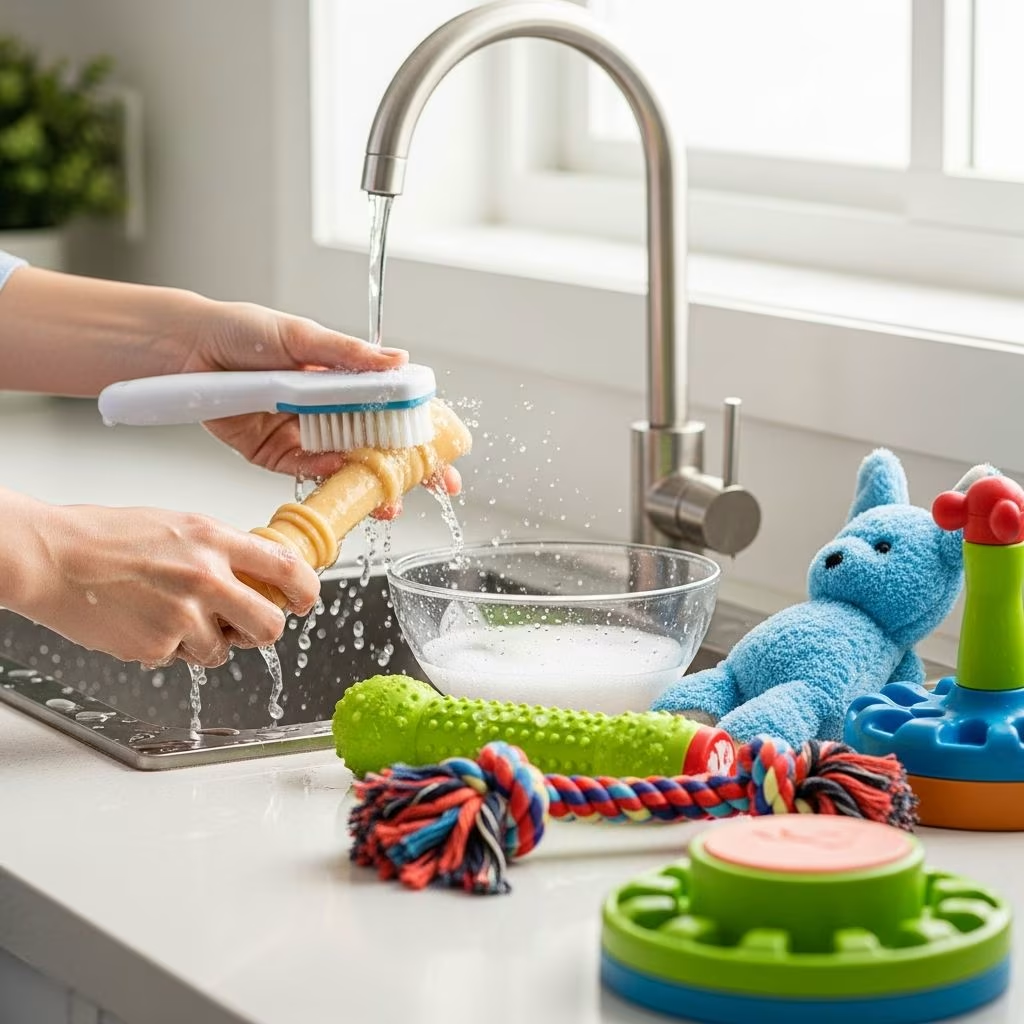
Your dog’s toys are more than just sources of entertainment—they’re objects that come into direct contact with your pet’s mouth multiple times daily. Over time, these toys accumulate saliva, dirt, bacteria, and other contaminants that can pose health risks to your furry companion. Understanding how to properly maintain these items is essential for any responsible pet owner who wants to keep their dog healthy and happy.
Why Toy Cleanliness Matters for Your Pet’s Well-being
Dogs explore their world through their mouths, making toy hygiene a critical aspect of pet health management. Dirty toys become breeding grounds for harmful bacteria, fungi, and mold that can cause infections, digestive issues, and other health complications. The longer a toy remains unwashed, the more microorganisms accumulate on its surface. Additionally, toys that are heavily soiled can become choking hazards or cause gastrointestinal blockages if fragments break off during chewing.
Regular toy cleaning extends the lifespan of these items while simultaneously protecting your dog from unnecessary health risks. It’s a simple practice that yields significant benefits for both your pet’s wellness and your household’s overall hygiene standards.
Understanding Different Toy Materials and Their Cleaning Requirements
Dog toys come in various materials, each with specific cleaning needs and challenges. Identifying your toy types is the first step toward establishing an effective cleaning routine.
Hard and Durable Toys: Rubber, Nylon, and Plastic Options
Hard toys constructed from rubber, nylon, or plastic are the most forgiving when it comes to cleaning. Their non-porous surfaces prevent bacteria from penetrating deep into the material, making them relatively straightforward to sanitize. These toys withstand vigorous scrubbing and exposure to various cleaning agents without degradation. For these items, you can confidently use stronger cleaning methods without worrying about damaging the toy’s structural integrity.
Soft and Plush Toys: Delicate Fabric Items
Plush toys present different challenges due to their absorbent fabric surfaces. Their material composition makes them prone to trapping moisture, saliva, and debris within the fibers. This creates an ideal environment for bacterial growth if not properly dried after cleaning. These toys require gentler handling to preserve their stitching and stuffing while still achieving thorough cleanliness.
Rope-Based Toys: Special Considerations
Rope toys occupy a middle ground between hard and soft categories, but they present unique challenges. The fibrous nature of rope material allows bacteria and moisture to penetrate deeply, making them particularly susceptible to mold and mildew development. Their construction also makes them difficult to dry completely, which can lead to odor problems and microbial growth if not handled correctly.
Establishing Your Toy Cleaning Schedule
Frequency matters significantly when it comes to toy maintenance. A structured approach ensures toys receive appropriate attention based on usage patterns and materials.
| Usage Level | Cleaning Frequency | Toy Categories |
|---|---|---|
| Heavy/Daily Use | Weekly | Favorite toys, interactive toys |
| Moderate Use | Bi-weekly to Monthly | Occasional play items |
| Light Use | Monthly or As Needed | Backup toys, seasonal items |
Consider your dog’s playing habits when determining cleaning schedules. Dogs that drool heavily or spend considerable time with specific toys may require more frequent cleaning. Environmental factors also influence cleaning needs—toys used outdoors gather more dirt and debris than indoor toys and require more regular attention.
Pet-Safe Cleaning Solutions: What Works Best
The cleaning products you choose are crucial since your dog will be placing these items back in their mouth. Harsh chemicals pose serious health risks, making pet-safe options essential.
Commercial Pet-Safe Detergents
Veterinarians recommend consulting with pet supply experts to identify appropriate commercial products. Many brands now offer formulations specifically designed for pet items, free from bleach, ammonia, and other harmful substances. These products provide reliable disinfection while maintaining safety for your dog’s health.
Natural Cleaning Solutions
A simple homemade solution combines equal parts white vinegar and warm water, creating an effective natural disinfectant. White vinegar naturally kills bacteria and fungi while being completely safe if accidentally ingested. This economical approach appeals to pet owners seeking chemical-free alternatives without sacrificing effectiveness.
Another option involves mild dish soap mixed with warm water, which effectively removes dirt and saliva buildup without the harshness of specialty cleaners. The key is using truly mild formulations and rinsing exceptionally well to prevent any soap residue from remaining on the toy.
Ingredients to Avoid
Never use bleach, ammonia, or phenol-based cleaners on dog toys. These substances are toxic to dogs and can cause serious health consequences even in small quantities. Additionally, avoid heavily perfumed products that may irritate your dog’s sensitive nose or mouth tissues. Always read labels carefully and verify that products are specifically marked as safe for pets.
Cleaning Hard and Durable Toys Effectively
Rubber, nylon, and plastic toys tolerate multiple cleaning methods, allowing you to choose based on convenience and contamination level.
Hand Washing Approach
Prepare a bowl with your chosen cleaning solution—either the vinegar-water mixture or mild soap and warm water. Submerge the toy and allow it to soak briefly to loosen accumulated debris. Using a soft-bristled scrub brush, gently work the solution across all surfaces, paying special attention to crevices and textured areas where bacteria tends to accumulate. Rinse thoroughly under running water until all traces of cleaning solution disappear, as residual soap can cause gastrointestinal upset.
Dishwasher Method
Many hard toys are dishwasher-safe, offering a convenient cleaning option. Place toys on the top rack and run a hot water cycle using a pet-safe or mild detergent. This method is particularly effective for heavily soiled items as the dishwasher’s heat and water pressure remove stubborn grime efficiently. However, always verify dishwasher compatibility before using this method, as some toys may have glued components that could separate under heat exposure.
Addressing Stubborn Stains and Buildup
Toys with discoloration or heavy biofilm buildup may require extended soaking periods. For these challenging situations, leave the toy submerged in your cleaning solution overnight, then scrub vigorously with a brush the next morning. For especially greasy residue, a degreaser like dish soap works particularly well at breaking down biofilms that regular cleaners might miss.
Caring for Soft Plush Toys Properly
Plush toys demand gentler handling despite their more complex cleaning needs. The goal is achieving cleanliness while preserving the toy’s integrity and appearance.
Machine Washing Guidelines
Most plush toys can be machine-washed using the gentle cycle with cold or lukewarm water and mild detergent. To protect the toy, place it inside a mesh laundry bag or pillowcase before washing. This buffer prevents direct contact with the washing machine’s agitator while allowing water and soap to penetrate the toy. Select the lowest heat settings and remove the toy promptly from the dryer to prevent damage.
Hand Washing Soft Toys
For toys with delicate features or squeakers, hand washing provides superior control. Fill a basin with lukewarm water and add mild detergent or your vinegar solution. Gently submerge the toy and use a soft cloth or brush to clean the surface, working in circular motions rather than harsh scrubbing. Squeeze the soapy water through the fabric gently, then rinse repeatedly until all cleaning solution is removed. Gently squeeze out excess water—never wring the toy—and air dry completely in a well-ventilated area before returning it to your dog.
Special Considerations for Squeaker-Equipped Toys
Toys containing squeakers require careful handling to preserve the squeaker mechanism. Hand washing is the recommended approach for these items. Keep the toy’s seams and squeaker area above water level when possible, and avoid submerging these components completely. Air drying is essential, as machine drying heat can damage the squeaker mechanism.
Rope Toy Maintenance Strategies
Rope toys demand the most vigilant cleaning protocols due to their structure and contamination susceptibility. These items require more frequent attention than other toy types.
Weekly Cleaning Approach
Establish a schedule of washing rope toys weekly or at minimum bi-weekly. Soak the toy in a vinegar-water solution or mild detergent mixture for 15 to 20 minutes to loosen trapped debris. Use a brush to scrub between the rope fibers, then rinse extremely thoroughly under running water to remove all solution residue. The key to rope toy maintenance is complete drying—any remaining moisture inside the rope will quickly promote mold growth.
Machine Washing Rope Toys
If using a washing machine, place the rope toy inside a mesh laundry bag or pillowcase to prevent fibers from unraveling. Use hot water on a gentle cycle, which provides adequate cleaning while protecting the rope structure. Air drying is essential afterward, ideally in direct sunlight, which provides additional natural disinfection and helps eliminate moisture completely.
Mold Prevention and Replacement Decisions
If you notice persistent odors, discoloration, or visible mold growth on rope toys despite cleaning efforts, replacement is the safest choice. These items cannot always be fully restored to sanitary conditions, and mold exposure poses genuine health risks to your dog. Regularly inspect rope toys during cleaning and discard any that show signs of deterioration or contamination that standard cleaning cannot address.
Post-Cleaning Drying and Storage Practices
Proper drying and storage complete the cleaning process and maintain your toys’ condition between uses.
Effective Drying Methods
Air drying is universally appropriate for all toy types. Place cleaned toys in a well-ventilated area away from direct sunlight to prevent fading and material degradation. Avoid placing wet toys in enclosed spaces like toy bins, as trapped moisture creates ideal conditions for mold and mildew development. Ensure toys are completely dry—not just surface-dry—before storage or use. This may take 24 to 48 hours depending on toy size and material thickness.
Smart Storage Solutions
Store dried toys in designated bins or baskets in cool, dry locations. Avoid damp areas like basements or bathrooms where humidity promotes microbial growth. Periodically inspect stored toys for signs of mold or odor problems, which indicate moisture exposure or inadequate drying. Rotating toy selection can help prevent overuse of specific items while others rest and dry completely.
Recognizing When Replacement Is Necessary
Even with diligent cleaning, toys eventually reach the end of their safe lifespan. Knowing when to discard toys prevents potential health hazards.
Toys with persistent tears, loose stitching, or structural damage should be replaced, as these defects create choking hazards and allow bacteria to penetrate areas impossible to clean properly. If toys develop persistent odors despite thorough cleaning, mold or bacterial contamination may be present throughout the material. Similarly, toys that have been heavily chewed with visible damage or degradation should be discarded rather than cleaned. Any toy showing signs of toxic mold growth warrants immediate removal from your dog’s access.
Frequently Asked Questions About Toy Cleaning
How often should I completely replace my dog’s toy collection?
The replacement timeline depends on your dog’s play intensity and material quality. Most toys last several months with proper maintenance, but heavily chewed items may require replacement every few weeks. Monitor condition regularly and replace items as damage appears rather than following a strict timeline.
Can I use the same cleaning products I use for human items?
No—many household cleaners contain chemicals toxic to dogs. Always use products specifically labeled pet-safe or make your own vinegar-water solution. When in doubt, contact your veterinarian before using any cleaning product on your dog’s toys.
What if my dog refuses to use toys after cleaning?
Some dogs are sensitive to soap residue or vinegar scents. Rinse toys extra thoroughly and allow them to air dry completely, which helps eliminate residual odors. For particularly sensitive dogs, hand washing with plain warm water and thorough rinsing may be sufficient for routine maintenance.
Are there any toys I shouldn’t attempt to clean?
Toys with electronic components or batteries should not be submerged or exposed to moisture. Consult product instructions for these items. Additionally, antique or collectible toys with sentimental value may require professional cleaning to preserve their condition.
Building Your Toy Maintenance System
Creating a sustainable cleaning routine prevents toys from becoming neglected health hazards. Start by inventorying your dog’s current toys and categorizing them by material type and usage frequency. Assign cleaning tasks to specific days of the week—for example, deep cleaning plush toys on Sundays and spot-cleaning hard toys on Wednesdays. This systematic approach ensures nothing gets overlooked while distributing the workload reasonably.
Keep cleaning supplies easily accessible in a designated cabinet or container. Having your vinegar solution already mixed and stored makes quick cleanings more likely to happen. Include a checklist of toys requiring cleaning to track which items have been recently maintained and which need attention.
Teaching family members or roommates about proper toy cleaning ensures consistency when you’re unavailable. Establish clear guidelines about which cleaning methods apply to different toy types so everyone follows the same protocols.
Connecting Toy Cleanliness to Overall Pet Health
Regular toy cleaning is part of a comprehensive pet health strategy. Clean toys reduce pathogen exposure, which decreases infection risks and supports your dog’s immune system function. This simple maintenance task contributes to better long-term health outcomes and reduces unnecessary veterinary visits for toy-related infections or injuries.
By maintaining clean toys, you’re actively participating in preventive pet care—one of the most effective ways to keep your dog healthy and happy throughout their lifetime.
References
- How to Wash Dog Toys: A Comprehensive Cleaning Guide — Kennel Club LAX. Accessed February 2026. https://kennelclublax.com/blog/how-to-wash-dog-toys-a-comprehensive-cleaning-guide/
- How to Clean Dog Toys and the Frequency for Optimal Health — CandoCanines. Accessed February 2026. https://candocanines.org/how-to-clean-dog-toys-and-the-frequency-for-optimal-health/
- How To Clean and Care For Your ZippyPaws Dog Toys — ZippyPaws. September 2025. https://zippypaws.com/2025/09/29/how-to-clean-and-care-for-your-zippypaws-dog-toys/
- A Quick and Easy Guide to Cleaning Dog Toys — Hill’s Pet Nutrition. Accessed February 2026. https://www.hillspet.com/dog-care/play-exercise/how-to-properly-clean-dog-toys
- How to safely and properly clean toys — Maddie’s Pet Forum. Accessed February 2026. https://forum.maddiesfund.org/discussion/how-to-safely-and-properly-clean-toys



