

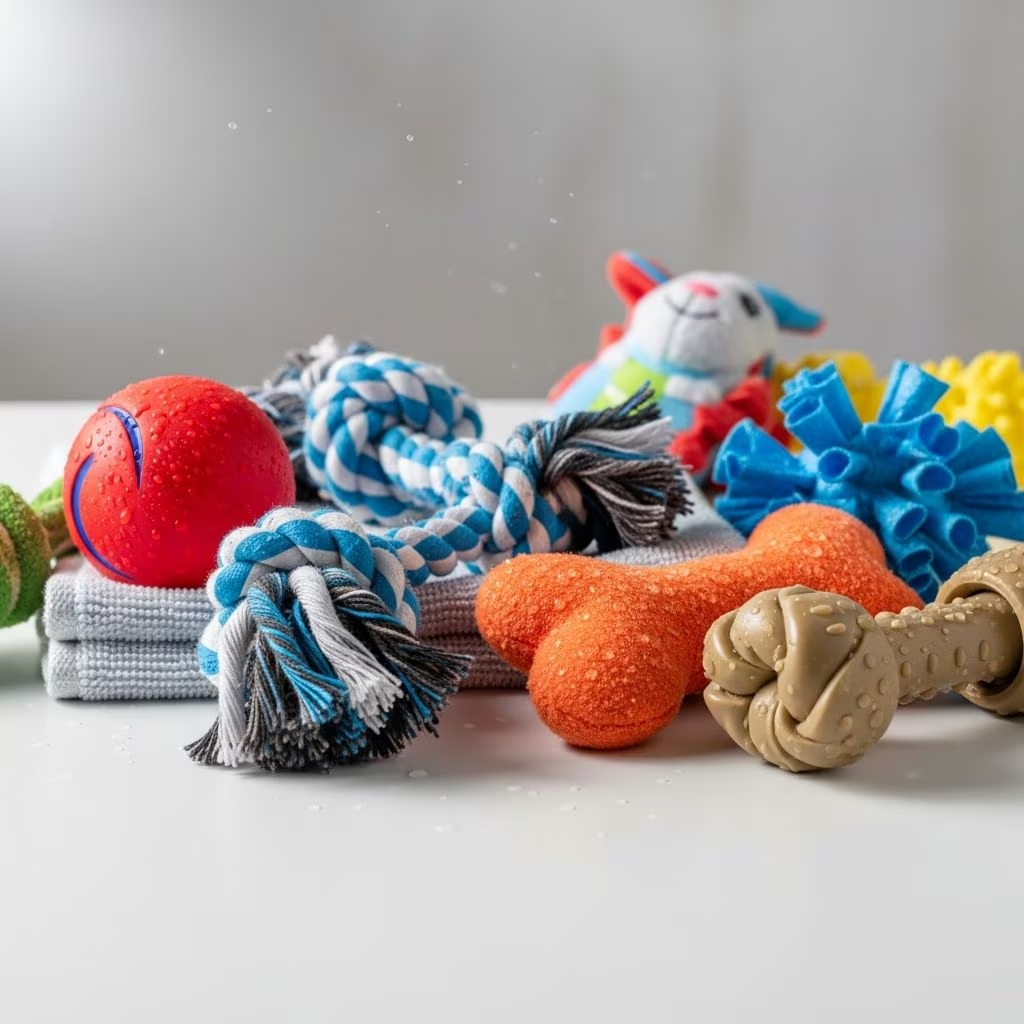
Keeping your dog’s toys clean is crucial for their health and safety. Dogs explore the world with their mouths, so toys can quickly harbor bacteria, saliva residue, dirt, and allergens. Regular cleaning prevents infections, reduces odors, and extends toy lifespan. This guide covers cleaning methods for all toy types, frequencies, storage tips, and when to discard items, ensuring hygienic playtime.
Why Clean Dog Toys?
Dog toys accumulate grime from saliva, outdoor dirt, and food particles, creating a breeding ground for bacteria like Salmonella or E. coli. unclean toys can lead to gastrointestinal issues, dental problems, or allergies in pets. The Centers for Disease Control and Prevention (CDC) notes that pets can spread germs via contaminated objects, emphasizing hygiene in multi-pet or family homes. Cleaning maintains toy integrity, preventing small parts from breaking off as choking hazards.
How Often Should You Clean Dog Toys?
Cleaning frequency depends on usage and toy type:
- Mouth-contact toys (chew toys, balls): Clean every 1-2 days if used daily, or weekly minimum.
- Plush or fabric toys: Wash every 1-2 weeks or when soiled.
- Plastic/rubber toys: Sanitize weekly, especially bath toys.
- Infrequently used toys: Monthly or as needed.
Inspect daily for wear; heavy chewers need more frequent attention. Establish a routine: clean after play sessions or rotate toys to manage load.
Cleaning Different Types of Dog Toys
Tailor methods to materials for effective, safe cleaning without damage.
Plastic and Rubber Toys
These durable toys (balls, bones) withstand thorough sanitizing. Use a 1:10 bleach-water solution (1/2 cup bleach per gallon water) or pet-safe disinfectants like diluted vinegar. Wipe with a cloth, let sit 30 seconds, rinse thoroughly, and air dry. For solid toys without crevices, dishwasher top-rack on gentle cycle in a mesh bag. Avoid hot water to prevent warping.
- Steps: Scrub with dish soap, disinfect, rinse, dry fully (moisture breeds mold).
Plush and Stuffed Toys
Check labels; machine-washable ones go in a pillowcase on gentle cycle with pet-safe detergent, low heat dry. Non-washable? Spot-clean with sudsy water, brush fur, air dry away from sunlight to prevent fading. Vacuum first to remove debris. For heavy soiling, freeze overnight to kill odors before washing.
- Tip: Stuff with cedar chips post-wash for natural odor control (supervise use).
Rope and Fabric Toys
Untie knots, soak in hot soapy water 30 minutes, agitate, rinse. Machine wash if sturdy; otherwise, hand wash and hang dry. Inspect for fraying—discard if threads loosen.
Electronic and Battery-Operated Toys
Surface-clean only: Wipe with damp cloth then alcohol-disinfectant wipe. Remove batteries first. Avoid submersion to protect circuits.
Wooden and Natural Toys
Wipe with vinegar solution; avoid soaking. Sand rough spots. Some are disposable after wear.
Step-by-Step General Cleaning Process
- Inspect: Check for damage, loose parts, or mold. Discard unsafe toys.
- Pre-clean: Remove debris with vacuum or brush.
- Wash: Use hot soapy water, scrub crevices with old toothbrush.
- Disinfect: Apply pet-safe solution (vinegarm 1:1 water, or bleach mix rinsed well).
- Rinse: Thoroughly to remove residues.
- Dry: Air dry completely; use low-heat dryer for plush.
For deep cleans, use washing machine or dishwasher where appropriate. Pet-safe products like enzymatic cleaners break down proteins in saliva.
Safe Cleaning Products for Dog Toys
Choose non-toxic options:
| Product Type | Examples | Best For | Caution |
|---|---|---|---|
| Vinegar Solution | 1:1 white vinegar-water | All toys | Rinse well; mild odor fades |
| Bleach Mix | 1/2 cup/gallon water | Hard surfaces | Rinse 2x; not for fabrics |
| Enzymatic Cleaners | Nature’s Miracle, Rocco & Roxie | Organic stains | Pet-formulated only |
| Disinfectant Wipes | Pet-safe brands | Quick wipes | Avoid ingestion |
Avoid harsh chemicals like ammonia. Test on small area first.
Storage and Organization Tips
Proper storage prevents recontamination:
- Use open bins for easy access; limit size to control quantity.
- Group by type in a pet zone near food/kitchen.
- Rotate toys: Store extras to maintain novelty.
- Covered bins for treats/food-adjacent toys.
Declutter regularly: Donate gently used toys to shelters after cleaning. Recycle textiles at facilities.
Decluttering Your Dog’s Toys
Apply KonMari-inspired method: Gather all toys, group by type. Keep what sparks joy for you and your dog (favorites they engage with). Discard damaged ones responsibly—wash and donate usable items to shelters or pantries. Buy fewer, higher-quality toys moving forward to minimize waste.
When to Throw Away Dog Toys
- Torn stuffing exposed or loose squeakers.
- Cracked plastic/rubber posing ingestion risk.
- Persistent odors/mold despite cleaning.
- Heavy wear from aggressive chewers.
Replace proactively; safety first.
Frequently Asked Questions (FAQs)
Can I put dog toys in the dishwasher?
Yes, hard plastic/rubber toys without electronics or glued parts—top rack, gentle cycle, mesh bag. Air dry after.
Is bleach safe for dog toys?
Diluted yes (1/2 cup per gallon), but rinse thoroughly. Prefer vinegar for natural alternative.
How do I clean squeaky toys?
Remove squeaker if possible; otherwise, hand wash and disinfect exterior. Machine wash plush exteriors gently.
Can I use laundry detergent on dog toys?
Pet-safe or mild, fragrance-free only. Avoid fabric softeners.
How to remove tough stains from toys?
Baking soda paste scrub, then enzymatic cleaner. Soak in vinegar overnight for odors.
Maintain clean toys for a healthier, happier dog. Consistent habits prevent health issues and enhance play quality.
References
- Cleaning and Disinfecting Pet Supplies — Centers for Disease Control and Prevention (CDC). 2024-05-15. https://www.cdc.gov/healthy-pets/publications/cleaning-pet-supplies.html
- Tips for Cleaning and Disinfecting Toys — American Academy of Pediatrics. 2023-10-01. https://www.aap.org/en/patient-care/healthy-active-living-for-families/infant-food-and-feeding/cleaning-and-disinfecting-toys/
- Pet Toy Safety and Maintenance Guidelines — Association of Pet Dog Trainers (APDT). 2025-01-10. https://apdt.com/resource-center/pet-toy-safety/
- Tips for Keeping Your Child’s Toys Clean and Sanitized — Southwest Human Development. 2022-08-20. https://www.swhd.org/blog/tips-for-keeping-your-childs-toys-clean-and-sanitized/
- Guidelines for Cleaning Pet Products — Pet Food Institute. 2024-11-05. https://www.petfoodinstitute.org/cleaning-pet-products



