

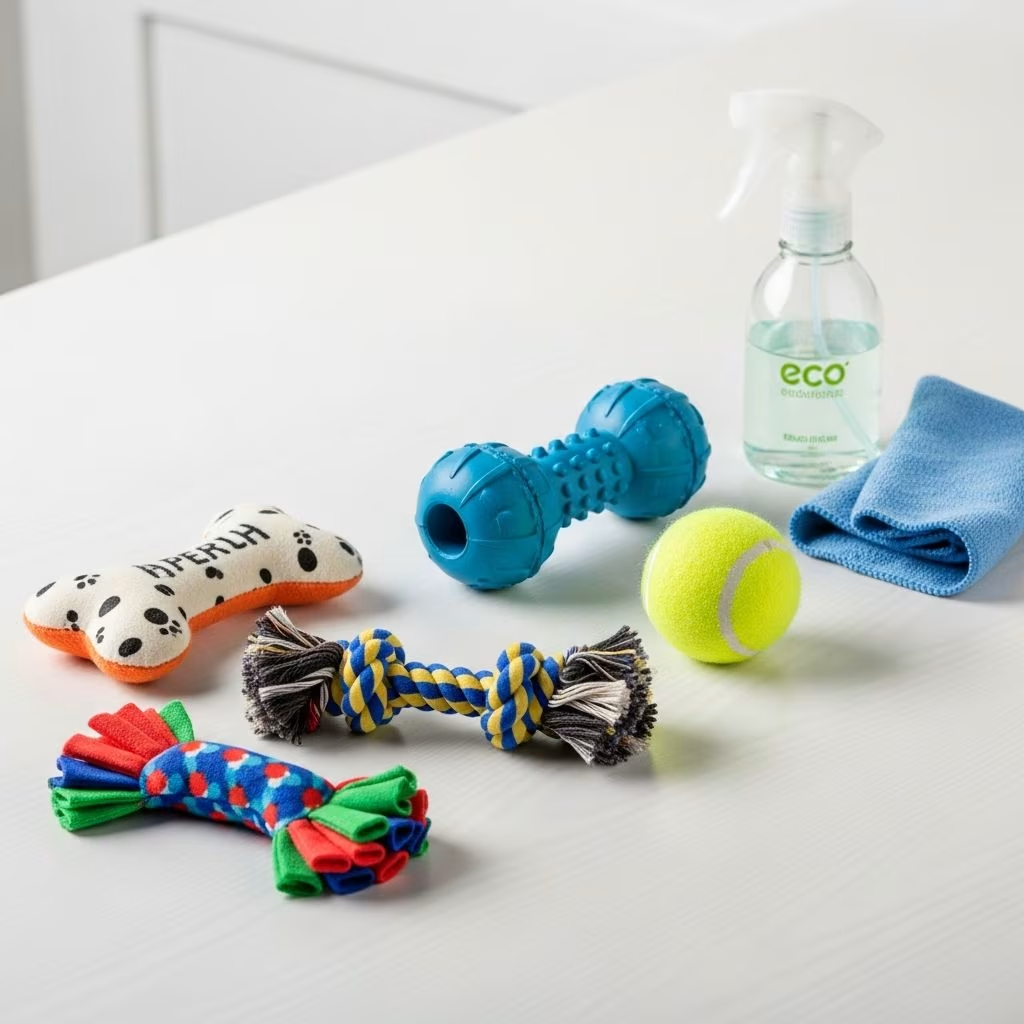
Keeping your dog’s toys clean is crucial for their health and safety. Dirty toys can harbor bacteria, mold, and parasites that may lead to infections or digestive issues in pets. Regular cleaning removes saliva buildup, dirt, and debris, extending toy life and preventing health risks. This guide covers methods for all toy types, cleaning schedules, storage tips, and more to ensure your furry friend’s playtime remains safe and fun.
Why Clean Dog Toys?
Dogs explore the world with their mouths, leaving toys covered in saliva, dirt, and bacteria. Over time, these can foster harmful pathogens like Salmonella or mold, potentially causing gastrointestinal upset or allergies. The Centers for Disease Control and Prevention (CDC) notes that pet items, including toys, can spread germs if not sanitized properly. Cleaning not only protects your dog but also maintains household hygiene, reducing allergen spread to family members.
Neglecting toy maintenance can shorten toy lifespan, leading to ingestion of damaged parts. A clean toy collection promotes better play habits, mental stimulation, and overall well-being. Veterinary experts recommend routine cleaning as part of preventive pet care, similar to grooming and vaccinations.
How Often Should You Clean Dog Toys?
Cleaning frequency depends on toy type, usage, and your dog’s habits. Toys mouthed frequently require more attention to prevent bacterial growth.
- Daily or every 1-2 days: Rubber chew toys, balls, or any item your dog licks or chews extensively, especially puppies or heavy droolers.
- Weekly: Hard plastic, nylon, or bath toys used daily. Sanitize to kill germs.
- Bi-weekly or monthly: Plush toys or less-handled items. Inspect for wear and clean as needed.
- After outdoor play: Rinse immediately to remove mud, grass, or feces.
Observe your dog: if toys smell musty, show visible dirt, or have loose parts, clean promptly. The American Kennel Club (AKC) advises adjusting based on your pet’s age, health, and environment—senior dogs or those with weakened immunity need stricter schedules.
Cleaning Different Types of Dog Toys
Dogs love variety, but each toy material demands specific care to avoid damage or residue buildup. Always check manufacturer labels first and test cleaners on a small area.
Plastic and Rubber Toys
These durable toys, like Kongs or balls, withstand thorough cleaning. They are dishwasher-safe if solid without crevices.
- Wash with hot, soapy water using a bottle brush for interiors.
- Disinfect with a 1:10 bleach-water solution (1/2 cup bleach per gallon), let sit 30 seconds, rinse thoroughly, and air dry.
- Alternative: Vinegar solution (1:1 white vinegar and water) for natural sanitizing.
- Dishwasher: Top rack in a mesh bag on gentle cycle.
Avoid abrasive scrubbers to prevent scratches that trap bacteria.
Plush and Stuffed Toys
Soft toys mimic prey, but fabric absorbs saliva, risking mold.
- Check tags: Machine-washable? Use gentle cycle in a pillowcase with pet-safe detergent, low heat dry.
- Non-washable: Spot clean with sudsy water, brush, and air dry fully.
- Remove squeakers or loose stuffing first to prevent choking hazards.
For heavy soil, freeze overnight to kill odors and parasites before washing.
Rope and Fabric Toys
Ropes fray, collecting debris in fibers.
- Soak in hot soapy water, agitate, rinse, and hang dry.
- Machine wash on gentle if labeled safe; air dry to maintain integrity.
- Replace frayed ropes to avoid intestinal blockages.
Baking soda sprinkle and vacuum for dry cleaning between washes.
Electronic and Battery-Operated Toys
These need surface-only care to protect mechanisms.
- Wipe with damp cloth and mild soap, then disinfecting wipe or 70% isopropyl alcohol.
- Remove batteries first; avoid submersion.
- Dry completely before reassembly.
If water damage occurs, discard for safety.
Wooden and Natural Toys
Eco-friendly but porous, requiring gentle handling.
- Wipe with vinegar-water; avoid soaking.
- Sand lightly if splintered, then oil with food-grade mineral oil.
- Air dry away from direct sun.
| Toy Type | Best Method | Drying | Frequency |
|---|---|---|---|
| Plastic/Rubber | Bleach solution or dishwasher | Air dry 30+ sec | Weekly |
| Plush | Machine wash or spot clean | Low heat/air | Bi-weekly |
| Rope | Soak and wash | Hang dry | Weekly |
| Electronic | Surface wipe | Air dry fully | As needed |
| Wooden | Vinegar wipe | Air dry | Monthly |
Safety Precautions When Cleaning Dog Toys
Prioritize pet-safe methods to avoid toxicity.
- Use pet-safe cleaners: Diluted bleach, vinegar, or enzymatic pet sprays break down proteins in saliva.
- Rinse thoroughly: Chemical residues can irritate mouths or cause poisoning.
- Air dry completely: Damp toys breed bacteria; ensure full dryness before returning to play.
- Supervise play: Inspect toys regularly for damage; discard if broken.
- Allergens and irritants: Opt for fragrance-free products; consult vets for sensitive dogs.
The FDA warns against harsh chemicals like ammonia on pet items, recommending EPA-approved disinfectants. Never use human dish soaps with phosphates, as they harm dogs.
Storage and Organization Tips
Proper storage prevents recontamination and clutter.
After cleaning, store in a cool, dry area. Use open bins for access, grouping by type. Limit to 10-15 toys to rotate and monitor condition—KonMari style: keep what ‘sparks joy’ for your dog. A central ‘pet zone’ near food areas simplifies routines. Wash new toys before first use.
Decluttering Your Dog’s Toys
Overaccumulation leads to neglect. Sort into piles: loved, damaged, unused. Donate gently used toys to shelters after cleaning. Recycle fabrics at textile centers. Buy fewer, durable toys to minimize waste.
Frequently Asked Questions
Can I put dog toys in the dishwasher?
Yes, solid plastic/rubber toys on top rack in a mesh bag, gentle cycle. Avoid plush or electronics.
What is the best natural cleaner for dog toys?
White vinegar solution (1:1 with water) disinfects without chemicals.
How do I clean squeaky toys?
Surface wipe or machine wash if removable squeaker; replace if damaged.
Are bleach wipes safe for dog toys?
Diluted yes, but rinse well and air dry to remove residue.
Can dirty toys make my dog sick?
Yes, bacteria like E. coli can cause vomiting or diarrhea.
References
- Tips for Keeping Your Child’s Toys Clean and Sanitized — Southwest Human Development. 2023-05-15. https://www.swhd.org/blog/tips-for-keeping-your-childs-toys-clean-and-sanitized/
- Cleaning and Disinfecting Pet Supplies — Centers for Disease Control and Prevention (CDC). 2024-08-20. https://www.cdc.gov/healthy-pets/publications/pets-and-your-health.html
- Dog Toy Safety Guidelines — American Kennel Club (AKK). 2025-01-10. https://www.akc.org/expert-advice/health/clean-dog-toys/
- Select Disinfectants for Pet Areas — U.S. Food and Drug Administration (FDA). 2024-11-05. https://www.fda.gov/animal-veterinary/animal-health-literacy/selecting-disinfectants-pet-areas
- Pet Product Safety — Association of American Feed Control Officials (AAFCO). 2023-12-01. https://www.aafco.org/Consumers/Pet-Food-Safety/



