
Dog Tooth Fractures: Detection and Care
Learn how to spot, treat, and prevent chipped or broken teeth in dogs to ensure their oral health and overall well-being.
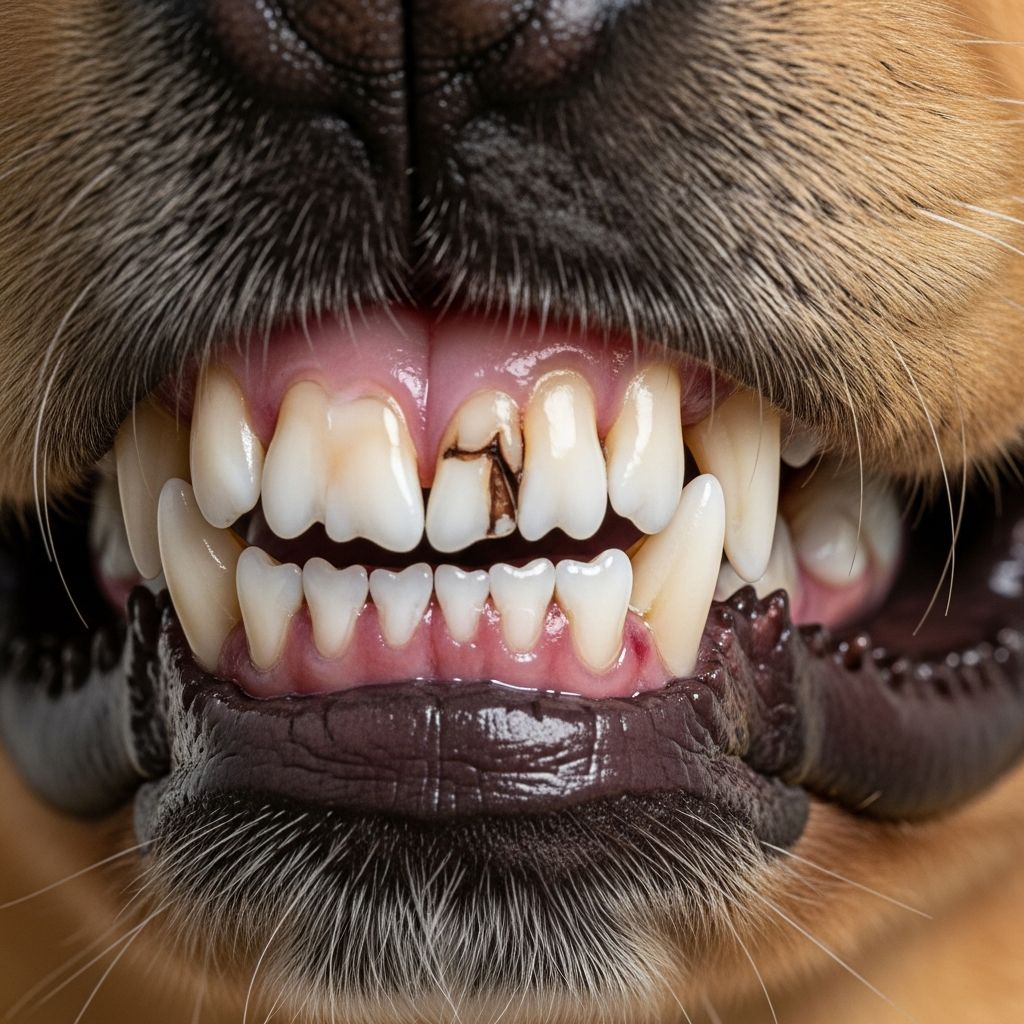
Fractured teeth in dogs are a frequent concern that can lead to pain, infection, and broader health issues if not addressed promptly. Understanding the causes, recognizing signs, and knowing when to seek professional help is crucial for every dog owner.
Common Causes of Tooth Damage in Canines
Dogs often suffer tooth fractures from everyday activities that seem harmless. Chewing on hard objects like rocks, antlers, or metal items applies excessive force, cracking the enamel and exposing sensitive inner layers. Aggressive play with balls or sticks can also result in chips, especially in high-energy breeds.
- Hard toys and bones that exceed the tooth’s strength.
- Trauma from falls or collisions during roughhousing.
- Pre-existing weaknesses due to untreated decay or wear over time.
Small breeds are particularly susceptible because their teeth are smaller and more brittle, while larger dogs may fracture teeth from powerful bites on unyielding materials.
Identifying a Fractured Tooth in Your Dog
Spotting a broken tooth early prevents complications. Look for visible cracks, chips, or missing pieces on the tooth surface. Dogs may paw at their mouth, drop food, or chew only on one side, indicating discomfort.
| Symptom | Description | Urgency Level |
|---|---|---|
| Bleeding gums | Redness or blood around the affected tooth | High |
| Bad breath | Sudden foul odor from infection | Medium |
| Swollen face | Puffiness near the jawline | High |
| Excessive drooling | More saliva than usual, possibly bloody | Medium |
| Reluctance to eat | Avoiding hard kibble or toys | High |
Examine your dog’s mouth weekly during routine checks. Use a flashlight to inspect all teeth, focusing on canines and molars which bear the most stress. If pulp exposure occurs—pink or bloody inner tooth visible—bacteria can enter, leading to abscesses.
Immediate Steps for a Suspected Fracture
Don’t panic, but act quickly. Prevent your dog from chewing further to avoid worsening the injury. Rinse the mouth gently with warm salt water if bleeding is present, using a syringe for safety.
- Remove hard toys and switch to soft alternatives temporarily.
- Monitor for fever or lethargy, signs of spreading infection.
- Contact your vet within 24 hours for an assessment.
Avoid home remedies like gluing the tooth; they can introduce toxins. Professional evaluation is essential to determine if the fracture reaches the pulp chamber.
Professional Diagnosis and Treatment Options
Veterinarians use dental probes, X-rays, and visual exams to assess damage. Superficial chips may need smoothing or bonding, while deeper fractures often require extraction or root canal therapy.
- Extraction: Common for non-vital teeth; quick recovery with minimal complications.
- Root Canal: Saves the tooth by removing infected pulp and sealing it; ideal for healthy roots.
- Crowns: For vital teeth in working dogs, providing protection.
Anesthesia-free cleanings are insufficient for fractures; full anesthesia allows thorough scaling and root evaluation. Post-treatment, antibiotics and pain meds aid healing, with follow-ups to check for issues.
Preventing Future Tooth Fractures
Proactive care reduces risks significantly. Daily tooth brushing with enzymatic toothpaste removes plaque, strengthening enamel. Use soft-bristled brushes or finger sleeves, aiming for outer surfaces at minimum.
Incorporate VOHC-approved chews like dental treats that mechanically scrape tartar without hardness that causes breaks. Water additives with enzymes control bacteria, while powders on food support oral flora.
- Provide safe chew toys made of rubber or nylon, sized appropriately.
- Schedule annual dental exams starting at age one for small breeds.
- Feed dental diets that promote chewing action without fracture risk.
Breeds like Chihuahuas or Dachshunds need extra vigilance due to crowding and genetics.
Long-Term Oral Health Strategies
Beyond fractures, maintain gums and teeth to prevent related diseases. Periodontal issues exacerbate fractures by weakening support structures. Combine brushing (2-3 times weekly) with professional cleanings every 6-12 months based on risk.
For resistant dogs, try gels or wipes as gateways to full routines. Monitor diet; avoid sticky foods that cling and promote decay.
FAQs on Dog Tooth Fractures
Can a dog live with a broken tooth?
Yes, if superficial and monitored, but pulp exposure risks infection requiring intervention.
How much does tooth extraction cost?
Varies by location; typically $300-$800 including anesthesia and meds.
Is anesthesia safe for dental work?
Yes, modern protocols minimize risks; pre-op bloodwork ensures suitability.
What if my dog won’t let me brush teeth?
Start slow with treats; use alternatives like chews or vet-recommended additives.
Do puppies get fractured teeth?
Rare, but possible from teething mishaps; baby teeth resorb naturally.
Holistic Approaches to Dental Wellness
Integrate natural aids like coconut oil pulling (small amounts rubbed on teeth) or herbal rinses, but consult vets first. Probiotics for oral health balance microbiome, reducing pathogen growth. Regular play with approved toys keeps jaws exercised without damage.
Track progress with photos of teeth monthly. Educate family on safe items, preventing accidental hard chews.
References
- Dog Dental Care: 6 Ways to Keep a Dog’s Mouth Clean — PetMD, Michelle Diener, DVM. 2023. https://www.petmd.com/dog/general-health/dog-dental-care-ways-keep-dogs-mouth-clean
- The Ultimate Guide to Pet Dental Health — Small Door Veterinary. 2024. https://www.smalldoorvet.com/learning-center/medical/the-ultimate-guide-to-pet-dental-health
- Canine Dental Health Care — AKC Canine Health Foundation. 2023. https://www.akcchf.org/disease-history/dental-health-for-dogs/
- Pet dental care — American Veterinary Medical Association. 2024-03-01. https://www.avma.org/resources-tools/pet-owners/petcare/pet-dental-care
- Dog Dental Care: What to Know — American Kennel Club. 2024. https://www.akc.org/expert-advice/health/dental-care-dog/
Similar Articles








Read full bio of medha deb




