

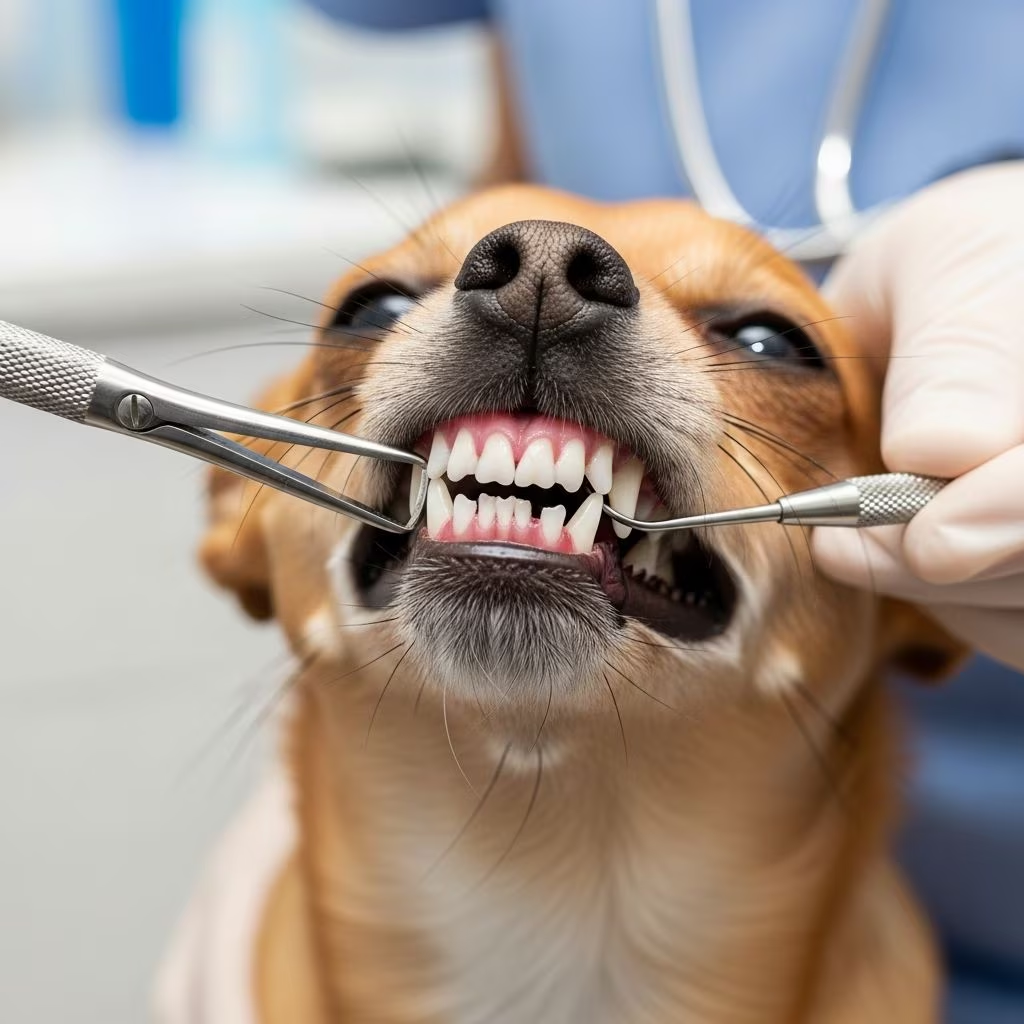
Dental extractions in dogs are common veterinary procedures designed to remove damaged, diseased, or painful teeth, promoting overall oral health and preventing further complications. These surgeries, performed under general anesthesia, address issues ranging from severe periodontal disease to fractured teeth, ensuring pets regain comfort and functionality.
Common Causes Requiring Tooth Removal in Dogs
Dogs often develop dental problems due to their anatomy and lifestyle. Periodontal disease, characterized by plaque buildup leading to gum inflammation and bone loss, is a primary reason for extractions. Multi-rooted teeth, such as canines and molars, become anchors for infection if not addressed early.
- Fractured teeth: Chewing hard objects can crack teeth, exposing pulp and causing pain or abscesses. Extraction is preferred over root canals in severe cases due to cost and complexity.
- Advanced periodontitis: Loose teeth from bone resorption require removal to halt infection spread.
- Persistent deciduous teeth: Baby teeth that don’t fall out can misalign adult teeth, necessitating extraction.
- Tumors or cysts: Rare but serious growths around tooth roots demand surgical intervention.
Early detection via annual dental exams can prevent many extractions, but when teeth are beyond saving, removal is the most humane option.
Types of Dental Extractions for Canines
Veterinarians classify extractions as simple or surgical based on tooth condition and mobility. Simple extractions suit single-rooted or loose multi-rooted teeth, while surgical methods are essential for firmly anchored teeth like maxillary canines.
| Type | Description | Indications | Complexity |
|---|---|---|---|
| Simple Extraction | Non-surgical removal using elevators and forceps after breaking periodontal ligament. | Mobile teeth, single roots, minimal bone loss. | Low; quicker recovery. |
| Surgical Extraction | Involves flaps, bone removal, and sectioning for multi-rooted teeth. | Firmly seated teeth, fractures, ankylosed roots. | High; requires imaging and specialized tools. |
Hybrid approaches may start simple but convert to surgical if roots fracture, minimizing trauma.
Pre-Surgical Preparation and Diagnostics
Before extraction, comprehensive diagnostics ensure safety. Full-mouth radiographs reveal hidden root issues, bone loss, or abscesses invisible to the naked eye. Bloodwork assesses anesthesia risks, especially in seniors or those with heart/kidney conditions.
- Pre-op fasting to prevent aspiration under anesthesia.
- Regional nerve blocks for pain control and reduced general anesthetic needs.
- Oral disinfection with chlorhexidine rinse to lower infection risk.
Owners receive cost estimates; surgical extractions for large canines can be time-intensive, reflecting higher fees.
Detailed Surgical Procedure for Tooth Extraction
Extractions demand precision to avoid complications like root fractures or jaw damage. General anesthesia maintains stability, with monitoring of heart rate, oxygen, and temperature.
Simple Extraction Steps
- Epithelial attachment breakdown: Scalpel or luxator severs gum-tooth connection.
- Periodontal ligament severance: Insert luxator into sulcus, applying sustained pressure (10-15 seconds) to loosen.
- Luxation: Elevator gains purchase, rocking tooth to fatigue fibers.
- Removal: Forceps grasp crown; gentle rotation extracts tooth. Confirm complete root removal via x-ray.
Surgical Extraction for Maxillary Canines
Large maxillary canines require mucoperiosteal flaps due to deep roots.
- Incision and flap elevation: Vertical releasing cut from canine to incisor, envelope flap to premolars. Periosteal elevator exposes bone.
- Bone removal: High-speed bur (#2-6 round carbide) sections 40-100% vestibular bone, creating mesial/distal grooves based on ankylosis.
- Root sectioning: If multi-rooted, separate for individual removal.
- Luxation and extraction: Winged luxator (4-7mm) torques grooves; forceps finalize. Curette alveolus clean.
- Closure: Debride, smooth bone with diamond bur, reform blood clot or graft, suture tension-free flap.
Post-op radiographs verify no remnants, crucial for preventing infections.
Pain Management During and After Surgery
Pain control is paramount; extractions cause significant discomfort from bone manipulation.
- Intra-op: Infraorbital nerve blocks with local anesthetics reduce systemic drugs.
- Post-op: Multimodal therapy: NSAIDs (carprofen), opioids, gabapentin. Bupivacaine blocks provide 8-12 hour analgesia.
Separate billing for blocks educates owners on comprehensive care.
Post-Operative Recovery Expectations
Dogs recover from anesthesia groggily, often within hours, but full alertness takes 24 hours. Soft food diet lasts 2 weeks; monitor for swelling, bleeding, or refusal to eat.
| Timeline | Symptoms/Instructions |
|---|---|
| Day 1 | Lethargy, drooling; ice packs reduce swelling. Withhold food 12 hours post-op. |
| Days 2-7 | Suture check at 7-10 days; no chewing hard items. |
| Week 2+ | Gradual return to normal diet if healing well. X-rays confirm bone fill. |
Complications like dry socket or dehiscence are rare with proper technique but warrant immediate vet contact.
Home Care Tips for Optimal Healing
Support recovery with diligent aftercare:
- Diet: Wet or soaked kibble; elevate bowl for upper extractions.
- Hygiene: Gentle brushing away from site after 48 hours; chlorhexidine rinse.
- Activity: Leash walks only; prevent jumping/playing.
- Medications: Administer as prescribed; watch for side effects.
Healing completes in 4-6 weeks, with new bone forming in the socket.
Preventing Future Dental Issues
Proactive care reduces extraction needs:
- Daily brushing with enzymatic toothpaste.
- Professional cleanings yearly.
- Dental chews and toys to control plaque.
- Breed awareness: Small dogs prone to crowding; brachycephalics to malocclusions.
Regular vet dental exams catch issues early.
Costs and Financial Considerations
Simple extractions: $100-300 per tooth; surgical: $500-1500+ for canines, including anesthesia, x-rays, meds. Multi-teeth discounts common; pet insurance often covers 70-90%.
FAQs on Dog Tooth Extractions
Is tooth extraction painful for dogs?
With proper anesthesia and pain meds, dogs experience minimal discomfort. Nerve blocks ensure comfort.
How long does recovery take?
Most dogs eat softly within 24 hours; full healing 4-6 weeks.
Can extracted teeth regrow?
No, adult teeth don’t regrow. Bone fills the socket.
What if my dog won’t eat post-op?
Offer warmed soft food; syringe-feed if needed. Contact vet if persists >48 hours.
Are antibiotics always needed?
Not routinely; only if infection present. Pain meds are standard.
References
- Skills Laboratory: How to extract a maxillary canine in dogs — dvm360. 2012. https://www.dvm360.com/view/skills-laboratory-how-extract-maxillary-canine-dogs
- Dog Tooth Extraction: What to Expect — Heart of Georgia Animal Care. 2024-01-15. https://www.heartofgeorgiaanimalcare.com/site/blog/2024/01/15/dog-tooth-extraction
- Dog Tooth Extraction: What to Expect — Clover Vet Hospital. 2023-09-15. https://www.clovervethospital.com/site/blog/2023/09/15/dog-tooth-extraction
- Simple Extractions: Techniques and Indications (Proceedings) — veterinarydentistry.net. N/A. https://veterinarydentistry.net/simple-extractions-techniques-and-indications-proceedings/
- Dental Extractions: Five Steps to Improve Client Education — Today’s Veterinary Practice. N/A. https://todaysveterinarypractice.com/dentistry/practical-dentistry-dental-extractions/
- Surgical Techniques for Veterinary Dental Extractions — Dentalaire Products. N/A. https://www.dentalaireproducts.com/extractions-part-2/



