

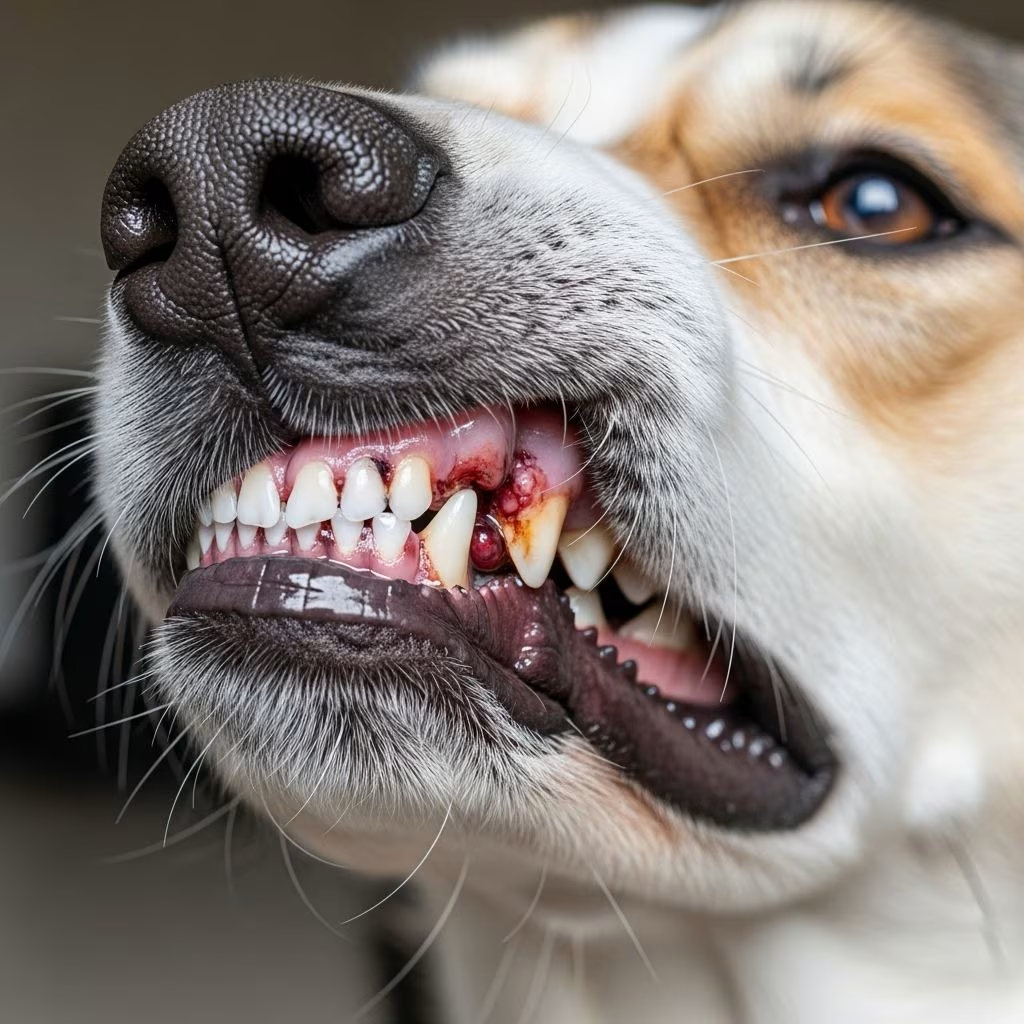
A dog tooth abscess is a serious bacterial infection forming a pus pocket at the tooth root, often causing intense pain and requiring immediate veterinary attention to prevent spread to vital organs.
Recognizing the Hidden Danger in Your Dog’s Mouth
Dental issues in dogs frequently go unnoticed until they escalate into abscesses. These infections develop deep within the tooth structure, where bacteria invade the pulp cavity—the soft core housing nerves and blood vessels. Unlike human teeth, dogs’ carnassial teeth, large upper molars just below the eye, are prime sites for abscesses due to their position and heavy use in chewing. Early detection hinges on observing subtle behavioral shifts, as dogs instinctively mask pain to avoid appearing vulnerable.
The infection pathway typically begins with enamel damage. Enamel, the tooth’s outer shield, protects against bacteria. When chipped or fractured, underlying dentin—riddled with thousands of tubules—exposes the pulp. Bacteria then proliferate, leading to pulpitis (inflammation), necrosis (tissue death), and eventual abscess formation at the root apex. This process can unfold rapidly, sometimes within hours of exposure.
Primary Triggers Behind Canine Dental Abscesses
Understanding root causes empowers prevention. The leading culprits include chronic gum conditions and physical injuries, both fostering bacterial entry.
- Advanced Periodontal Disease: Plaque buildup hardens into tartar, irritating gums and causing gingivitis. Untreated, it progresses to periodontitis, eroding bone and creating gum pockets where bacteria thrive and attack roots.
- Tooth Fractures from Trauma: Chewing hard items like raw bones, antlers, ice, or tough toys cracks enamel. Even hairline fractures invite infection, especially in carnivorous teeth used for tearing.
- Endodontic Infections: Bacteria reach the pulp via cracks or severe gum recession, inflaming the inner tooth and draining pus to the root tip.
Small breeds face higher risks due to crowded teeth promoting plaque, while larger dogs suffer more fractures from aggressive chewing.
Key Symptoms Every Dog Owner Must Watch For
Abscesses manifest through visible and behavioral cues. Not all dogs show obvious signs, but clusters warrant a vet visit.
| Symptom | Description | Location/Impact |
|---|---|---|
| Facial Swelling | Warm, tender lump often under the eye or jawline | Upper carnassial tooth common; may drain externally |
| Bad Breath (Halitosis) | Sudden foul odor from bacterial overgrowth | Early indicator; worsens with pus accumulation |
| Appetite Loss | Refusal to eat, prefers soft food or one-sided chewing | Pain avoidance; leads to weight loss |
| Excessive Drooling | Saliva buildup from discomfort | Often with pawing at mouth |
| Pain Behaviors | Whining, face rubbing, toy avoidance | Resists muzzle touching; drop in play drive |
A draining tract—a hole or matted discharge under the eye—signals chronic abscesses, potentially leaking pus onto skin or into the mouth. Fever and gum redness may accompany advanced cases.
Health Risks if Abscesses Go Untreated
Delay invites catastrophe. Pus pressure erodes jawbone, spreads to adjacent teeth, and enters the bloodstream (bacteremia), seeding infections in heart valves (endocarditis), kidneys, or liver. Chronic pain diminishes quality of life, causing malnutrition and behavioral changes. In severe scenarios, jaw fractures or sepsis emerge, demanding emergency care.
Veterinary studies emphasize prompt intervention: untreated abscesses rarely resolve, as the tooth’s dead pulp harbors persistent bacteria.
Why Home Remedies Fall Short
Over-the-counter antibiotics or rinses seem appealing but fail against abscesses. Oral drugs rarely penetrate the pus pocket adequately, risking resistance and masking symptoms without curing the source. Warm compresses might ease swelling temporarily but ignore the infected root. Extraction or repair demands anesthesia and imaging—tasks beyond home capabilities. Attempting DIY extractions risks hemorrhage, fractures, or incomplete removal, worsening infection.
Professional Diagnosis: What Vets Do First
Vets start with a thorough oral exam, probing for loose teeth, gum pockets, and fractures. Dental radiographs (X-rays) reveal root involvement invisible externally—essential since 80% of disease lurks below the gumline. Probing depth measurements and vitality tests confirm abscess presence. Bloodwork rules out systemic spread.
Effective Treatment Options Under Vet Care
Treatment hinges on abscess severity and tooth viability.
- Tooth Extraction: Most common for carnassial abscesses. Under general anesthesia, vets incise gums, remove the tooth, curette infected bone, flush with antiseptics, and suture. Multi-extractions handle concurrent disease.
- Root Canal Therapy (Endodontics): For salvageable teeth, vets remove infected pulp, clean canals, fill with biocompatible material, and crown the tooth. Ideal for young dogs or valuable teeth, though costlier.
- Supportive Care: IV antibiotics, pain meds (opioids, NSAIDs), and fluids during recovery. Jaw stabilization for bone loss.
Post-op, soft food and e-collars prevent self-trauma. Full recovery spans 1-2 weeks, with follow-up X-rays.
Proven Prevention Strategies for Lifelong Dental Health
Daily habits slash abscess risks by 70% per veterinary guidelines.
- Brush teeth daily with enzymatic pet toothpaste and finger brush.
- Offer vet-approved chews (rubber toys, soft dental treats) avoiding hard objects.
- Schedule annual cleanings with X-rays for plaque scaling.
- Water additives and dental diets reduce tartar.
- Monitor for early gum redness during home checks.
Start puppies young; seniors need bi-annual care as disease accelerates with age.
FAQs on Dog Tooth Abscesses
Can a dog tooth abscess burst on its own?
Yes, it may rupture, draining pus and temporarily easing pain, but the infection persists without root treatment, risking recurrence.
How much does treatment cost?
Extractions range $300-800 per tooth; root canals $1,000-2,000, plus anesthesia and meds. Pet insurance offsets expenses.
Is it painful for dogs?
Extremely—pulpitis feels like a human nerve exposure. Dogs hide it well, but pain alters eating and mood.
Can antibiotics alone cure it?
No; they control spread but don’t eliminate the nidus in the dead tooth. Surgery is mandatory.
How common are these in dogs?
Very—periodontal disease affects 80% of dogs over 3 years; abscesses follow in untreated cases.
Real-Life Recovery Stories and Tips
Consider Max, a Labrador with a carnassial abscess from chewing deer antlers. Facial swelling and drooling led to extraction; he resumed normal eating within days on pain meds. Owners report brighter breath and vigor post-cleaning. Tip: Integrate dental play into routines—freeze-kibble toys encourage safe chewing.
For multi-dog homes, isolate chew toys to prevent sharing trauma items. Track symptoms via a journal for vet consults.
References
- Tooth Root Abscess in Dogs — VCA Animal Hospitals. 2023. https://vcahospitals.com/know-your-pet/tooth-root-abscess-in-dogs
- Dog Tooth Abscess: Symptoms & Treatment — Animal Dental Care. 2022. https://www.wellpets.com/blog/205-dog-tooth-abscess/
- Dog Tooth Abscess Signs & Treatment Guide — Petfolk. 2024. https://petfolk.com/petfolklore/dog-tooth-abscess
- Tooth Root Abscess in Dogs — PetMD. 2023. https://www.petmd.com/dog/conditions/mouth/tooth-root-abscess-dogs
- Abscess Tooth in Dogs: Causes, Symptoms & Treatment — Long Beach Animal Hospital. 2022. https://lbah.com/canine/abscess-tooth-in-dogs/



