

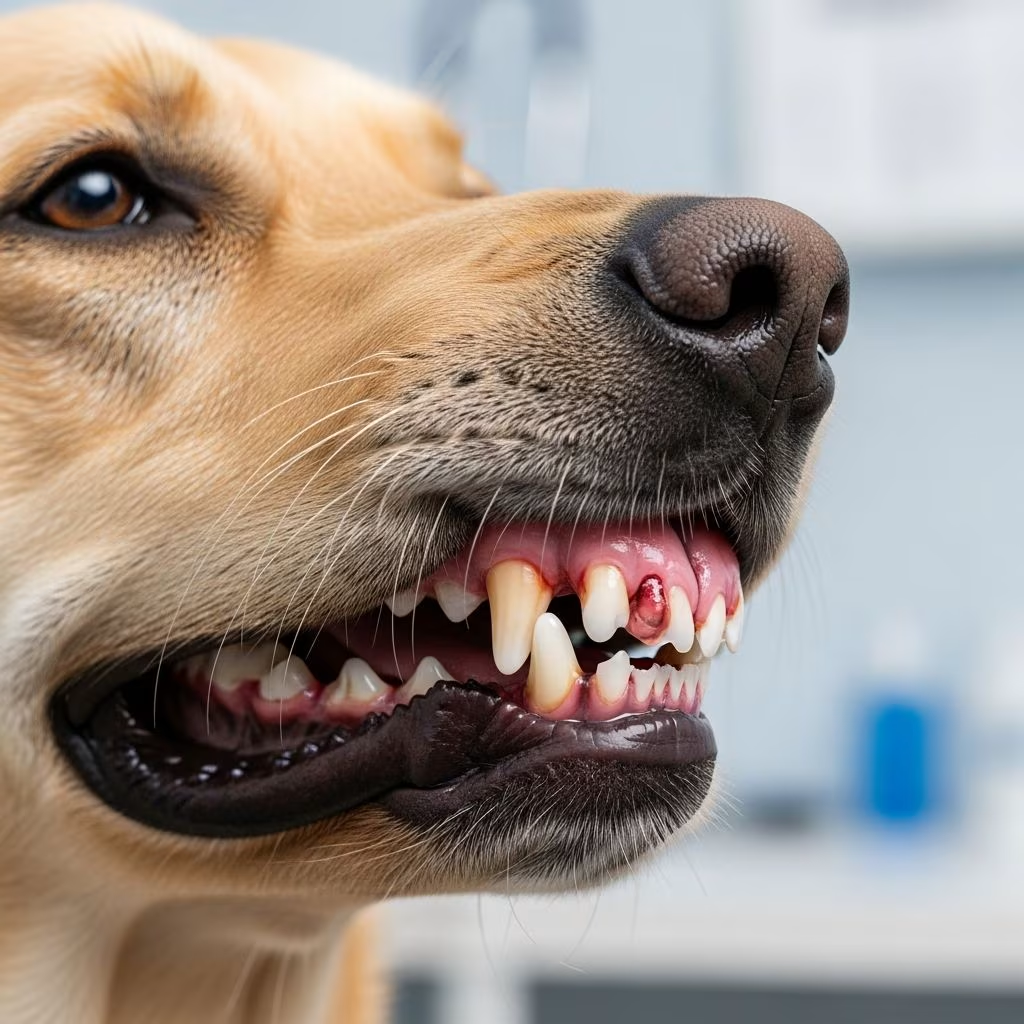
Dog tooth abscesses represent a serious dental condition where infection forms a pus-filled pocket around a tooth’s root, often causing significant pain and requiring prompt veterinary intervention. These abscesses typically arise from untreated dental issues and can lead to broader health problems if ignored.
Understanding Canine Tooth Abscesses
A tooth abscess in dogs develops when bacteria invade the tooth’s inner pulp or surrounding gum tissues, leading to inflammation and pus accumulation. This condition frequently affects the upper carnassial teeth or canines due to their size and exposure to trauma. Unlike minor gingivitis, an abscess penetrates deeper, eroding bone and soft tissues around the tooth root.
The infection originates from pulp necrosis, where the tooth’s nerve and blood supply die after bacterial entry, often via fractures or periodontal pockets. Pus then drains through the root apex into the jawbone, forming a visible swelling under the skin or eye. Small breeds like Chihuahuas and Dachshunds face higher risks due to crowded teeth and weaker enamel.
Primary Causes of Tooth Abscesses in Dogs
Several factors contribute to the development of tooth abscesses, with periodontal disease being the leading culprit. Plaque buildup hardens into tartar, fostering bacterial growth that erodes gums and exposes roots. Fractured teeth from chewing hard objects allow direct bacterial access to the pulp, accelerating infection.
- Periodontal Disease: Chronic plaque accumulation leads to gingivitis, progressing to periodontitis and abscess formation as bacteria invade bone-supporting structures.
- Dental Trauma: Cracked or chipped teeth from rocks, bones, or aggressive play expose sensitive pulp to oral bacteria.
- Endodontic Issues: Internal tooth decay without visible fractures can still cause pulpitis and subsequent abscesses.
- Foreign Bodies: Stuck debris like plant material irritates gums, creating entry points for infection.
Neglected oral hygiene exacerbates these risks, particularly in older dogs where age-related enamel wear compounds the problem.
Recognizing the Warning Signs
Dogs mask pain well, making early detection challenging, but specific symptoms signal a tooth abscess. Facial swelling, often below the eye or along the jaw, indicates pus buildup pressing against tissues. This asymmetry can mimic other issues like allergies, but persistence points to dental origins.
| Symptom | Description | Severity Indicator |
|---|---|---|
| Facial Swelling | Soft, fluid-filled lump under skin or eye | High – May rupture and drain pus |
| Halitosis | Foul breath from bacterial overgrowth | Moderate – Often first noticeable sign |
| Appetite Loss | Drops food, chews one side, avoids kibble | High – Leads to weight loss |
| Excessive Drooling | Clear or bloody saliva from mouth pain | Moderate – Accompanied by pawing |
| Gum Inflammation | Red, bleeding gums around affected tooth | Early – Progresses to pus discharge |
Behavioral shifts like irritability, lethargy, or reluctance to play further confirm discomfort. Pawing at the mouth or rubbing the face on carpets serves as a self-soothing attempt. If untreated, systemic signs such as fever or lameness emerge as infection spreads.
Diagnosing a Suspected Abscess
Veterinarians diagnose tooth abscesses through physical exams, dental probing, and imaging. Visual inspection reveals swelling or draining tracts, while probing checks gum pocket depth. Radiographs under anesthesia expose root involvement, bone loss, and abscess extent, essential since surface exams miss 70% of issues.
Bloodwork rules out organ involvement, especially in chronic cases. Advanced cases may require referral to veterinary dentists for cone-beam CT scans, providing 3D views of root canals and bone integrity. Early diagnosis via routine dental cleanings prevents escalation, as abscesses often hide until advanced.
Comprehensive Treatment Approaches
Treatment targets both infection control and source elimination, as antibiotics alone fail to penetrate tooth interiors. Initial stabilization uses broad-spectrum antibiotics like Clindamycin and NSAIDs for pain and inflammation, buying time for definitive care.
Under general anesthesia, full-mouth scaling removes tartar, followed by targeted intervention. Extraction suits most cases, especially smaller teeth, involving incision, root removal, and socket flushing. Larger teeth like molars may qualify for root canal therapy, where infected pulp is excised, canals cleaned, filled, and crowned to preserve function.
- Antibiotics & Pain Relief: Stabilize acute symptoms pre-procedure.
- Tooth Extraction: Quick, cost-effective; dogs adapt well with adjacent teeth compensating.
- Root Canal: Tooth-saving for strategic teeth; requires specialist skills.
- Supportive Care: Soft diets, e-collars post-op to prevent self-trauma.
Post-treatment, monitor for recurrence via follow-up x-rays. Success rates exceed 95% with proper execution.
Potential Complications and When It’s an Emergency
Untreated abscesses rupture, draining foul pus but allowing bacteria to disseminate via bloodstream, risking sepsis, endocarditis, or organ abscesses. Jawbone osteomyelitis erodes eating ability permanently. Facial cellulitis demands immediate care if swelling impedes breathing or eye function.
Emergency flags include refusal to eat/drink, severe lethargy, or rapid swelling growth. Delays heighten anesthesia risks in dehydrated patients and inflate costs from extended hospitalization.
Preventive Strategies for Lifelong Dental Health
Proactive care averts 80% of abscesses. Daily brushing with enzymatic toothpaste disrupts plaque. Dental chews and water additives reduce tartar mechanically and chemically. Annual professional cleanings under anesthesia address subgingival buildup.
- Start brushing puppies early for habituation.
- Choose vet-approved toys avoiding fractures.
- Feed dental diets with kibble sizes promoting chewing.
- Schedule senior dogs for bi-annual exams.
Breeds prone to malocclusions benefit from orthodontic consults. Home monitoring via breath checks and gum inspections catches issues early.
Cost Considerations and Insurance Insights
Treatment expenses range from $500-$1,500 for extractions to $2,000+ for root canals, factoring anesthesia, radiographs, and meds. Prevention via cleanings costs $300-$800 yearly but saves long-term. Pet insurance covering dental illness (not routine) offsets burdens; compare policies for wellness riders including cleanings.
Frequently Asked Questions
Can a dog tooth abscess heal on its own?
No, antibiotics provide temporary relief, but the pus pocket persists without extraction or root canal, leading to recurrence.
How long can a dog live with a tooth abscess?
Indefinitely if mild, but pain and systemic spread shorten quality life; prompt treatment restores normalcy.
Is tooth extraction safe for dogs?
Yes, routine under anesthesia; dogs function well post-extraction, often with improved appetite.
What home remedies help dog dental pain?
Avoid; soft food and ice soothe temporarily, but vet care is essential to prevent worsening.
How to prevent tooth abscesses in small breeds?
Daily brushing, vet dental diets, and frequent professional cleanings mitigate crowding risks.
References
- Dog Tooth Abscess: Signs & Treatment Costs — Pawlicy Advisor. 2023. https://www.pawlicy.com/blog/tooth-abscess-in-dogs/
- 6 Signs Your Dog May Have a Tooth Infection — Montana Pet Dentist. 2023. https://montanapetdentist.com/6-signs-your-dog-may-have-a-tooth-infection/
- Tooth Root Abscess in Dogs — PetMD. 2024-01-15. https://www.petmd.com/dog/conditions/mouth/tooth-root-abscess-dogs
- Dog Tooth Abscess: Symptoms & Treatment — WellPets Animal Dental Care. 2023. https://www.wellpets.com/blog/205-dog-tooth-abscess/
- Understanding and Treating a Dog Tooth Abscess — Animal Dental Specialists. 2023. https://animaldentalspecialists.com/understanding-and-treating-a-dog-tooth-abscess/
- Tooth Root Abscess in Dogs — VCA Animal Hospitals. 2024. https://vcahospitals.com/know-your-pet/tooth-root-abscess-in-dogs



