

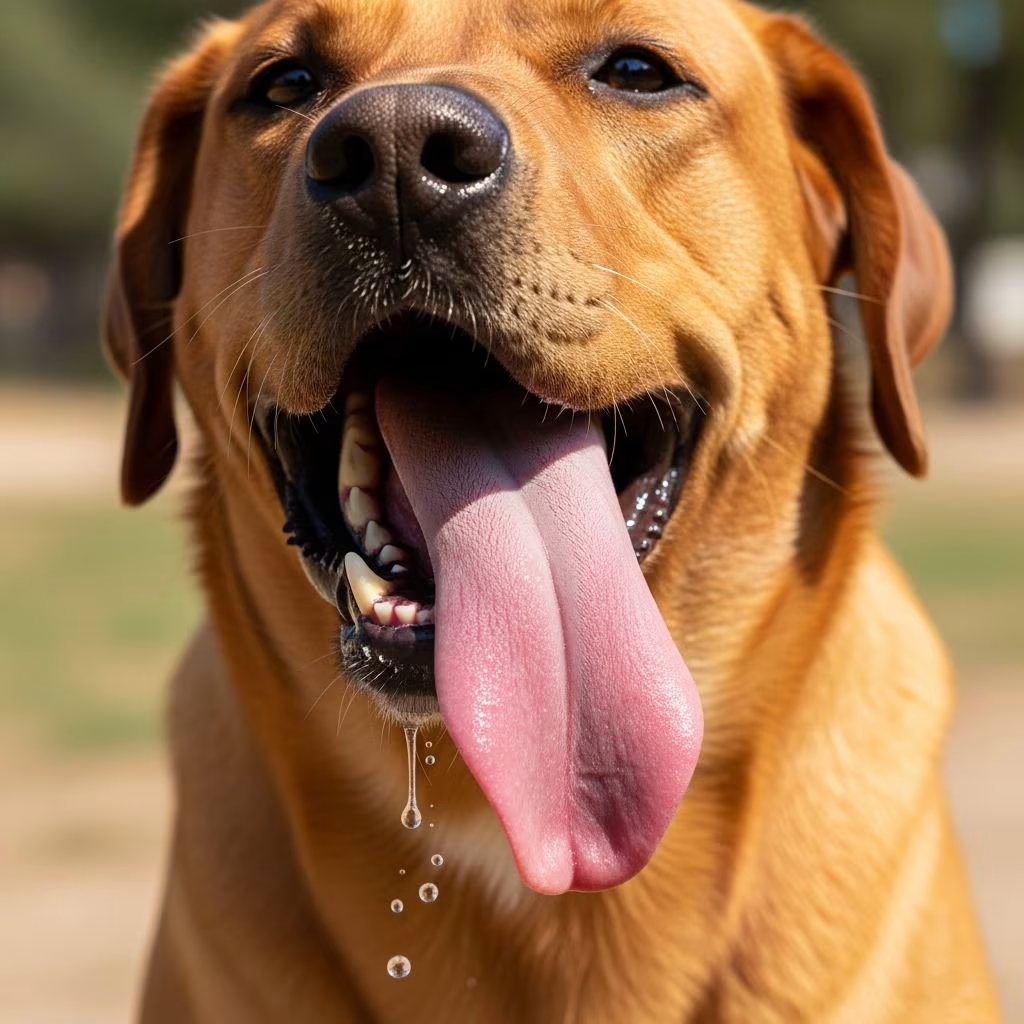
A ‘ladle’ or spoon-shaped tongue can signal your dog is overheating. Your dog’s tongue serves as a vital cooling system, changing shape to indicate their internal temperature. This guide explains how to read these signs to prevent heat stroke.

Dogs primarily cool themselves through panting, where they inhale cool, dry air and exhale warm, humid air over the moist surfaces of their tongue, throat, and nasal passages. Evaporation from these surfaces dissipates heat. As temperatures rise, panting intensifies to accelerate cooling.
The tongue’s shape is key: it flattens and elongates into a spatula or spade form to increase surface area for evaporation. Extra saliva production aids this process, but when the tongue curls into a pronounced ‘ladle’ shape, it’s a red flag for overheating.
How to Read Your Dog’s Heat Status Based on Their Tongue
Understanding tongue position and shape helps gauge if your dog is comfortably cooling or in distress. Monitor during exercise or hot weather.
Normal Panting
During rest or light exercise, dogs pant with their mouth open and tongue partially inside. They show a relaxed ‘smile’ while walking, panting lightly that stops when resting. This indicates a content, healthy dog. No action needed; continue enjoying the activity.
Warming Up, But Still Happy
As effort increases or ambient temperature rises, the tongue extends slightly while remaining loose and relaxed. Facial muscles stay soft, eyes bright, and they remain engaged with surroundings. Panting pauses if distracted or activity stops. Monitor casually but proceed with caution in heat.
Starting to Feel the Heat – Pay Attention
The tongue elongates further into a spatula shape at the tip. Facial expression tightens: cheeks retract, creating a seemingly happy ‘smile’ that pairs with tense body language. Distractions no longer halt panting. This stage demands intervention.
Warning signs your dog needs help cooling down:
- Almost human-like worried expression with ‘raised eyebrows’.
- Ears positioned back on their head.
- Panting persists despite distractions.
- Lying down and spreading out for ground contact.
- Excessive drooling.
- Anxious or restless behavior.
- Warm skin, nose, or paws to the touch.
Act immediately: cease exercise, relocate to shade or air-conditioned space, provide cool (not ice-cold) water, and allow rest on cool surfaces.
Signs Your Dog Needs Urgent Veterinary Care
Progression to heat stroke is life-threatening. Seek emergency vet care if you observe:
- Excessive panting with pronounced ‘ladle’ or spoon-shaped tongue and thick drooling, plus worried expression.
- Collapse, wobbliness, or inability to stand.
- Lethargy and disinterest in surroundings.
- Sticky or dark gums.
- Red dot rashes on skin.
- Abrupt panting cessation (possible loss of consciousness or seizure).
Normal dog temperature is 99.5–102.5°F (37.5–39.2°C). Above 103°F requires monitoring; over 105°F is an emergency, risking organ failure including heart and lungs.
Why Dogs Overheat and Risk Factors
Dogs lack efficient sweat glands, relying on panting. Hot environments, exercise, or humidity impair cooling. Brachycephalic (short-nosed) breeds like Pugs, French Bulldogs, and Boston Terriers struggle due to airway restrictions. Other risks include:
- Obese or senior dogs.
- Conditions like collapsing trachea or laryngeal paralysis.
- Thick coats or heart/lung diseases.
Heat exhaustion advances to stroke when body temperature exceeds 106°F (41°C), causing dehydration, oxygen deprivation, and dark or brick-red gums/tongue.
Healthy Tongue vs. Problematic Signs
A healthy tongue is pink, smooth, and uniform. Variations occur:
| Tongue Feature | Normal | Concerning |
|---|---|---|
| Color | Pink; black spots (harmless pigmentation) | Pale (anemia), blue (circulation issues), sudden dark/red (heat stroke), blue-black (Chow Chow breed norm) |
| Shape/Texture | Relaxed, uniform | Raised/irregular spots (possible melanoma), spoon-shaped with distress |
| Gums | Moist, pink | Sticky/dark (dehydration/shock) |
Sudden spots or changes warrant vet checks.
Preventing Overheating: Practical Tips
Proactive steps reduce risks:
- Walk early morning or evening; avoid midday heat.
- Provide constant shade and water.
- Use cooling mats, fans, or damp towels (avoid ice).
- Never leave in cars—even cracked windows insufficient.
- Groom for summer: trim but not shave coats.
- Recognize breed risks; limit brachycephalic exposure.
For cooling: Wet paws/ears with room-temp water, offer ice cubes to lick. Monitor temperature rectally if possible.
Frequently Asked Questions (FAQs)
Q: What does a spoon-shaped dog tongue mean?
A: It indicates severe overheating; the tongue curls to maximize cooling but signals exhaustion. Cool immediately and vet if with other symptoms.
Q: How can I tell if panting is normal?
A: Normal panting stops with rest/distraction, tongue relaxed. Persistent, intense panting with shape changes means trouble.
Q: Are certain dogs more prone to heat stroke?
A: Yes—brachycephalic breeds, obese, elderly, or those with respiratory issues.
Q: What’s the first aid for suspected heat stroke?
A: Move to cool area, wet with cool water, fan, offer water. Rush to vet; do not use ice.
Q: Can black spots on tongue be cancer?
A: Flat spots normal; raised/sudden changes need vet evaluation for melanoma.
Advanced Stages of Heat Stroke
Heat stroke unfolds in phases: mild (heavy panting), moderate (drooling, weakness), severe (collapse, seizures). Tongue darkens from oxygen lack in extremes. Early tongue monitoring prevents progression.
In summary, your dog’s tongue is a precise heat gauge. From relaxed curl to alarming ladle, these shapes guide timely action, potentially saving lives. Stay vigilant, especially in warm months.
References
- Dog Panting & Tongue Shape: Heat Regulation Guide — Kinship. 2023. https://www.kinship.com/uk/dog-health/tongue-shape-heat-stroke-warning-signs
- Keep your dog cool this summer: Learn the signs of heat exhaustion in dogs — Holistic Vet Blend. 2023. https://holisticvetblend.com/blogs/news/keep-your-dog-cool-this-summer-learn-the-signs-of-heat-exhaustion-in-dogs
- 5 Symptoms of an Overheated Dog — Levan Road Veterinary Hospital. 2023. https://levanroadvet.com/blog/dog-heat-stroke/



