

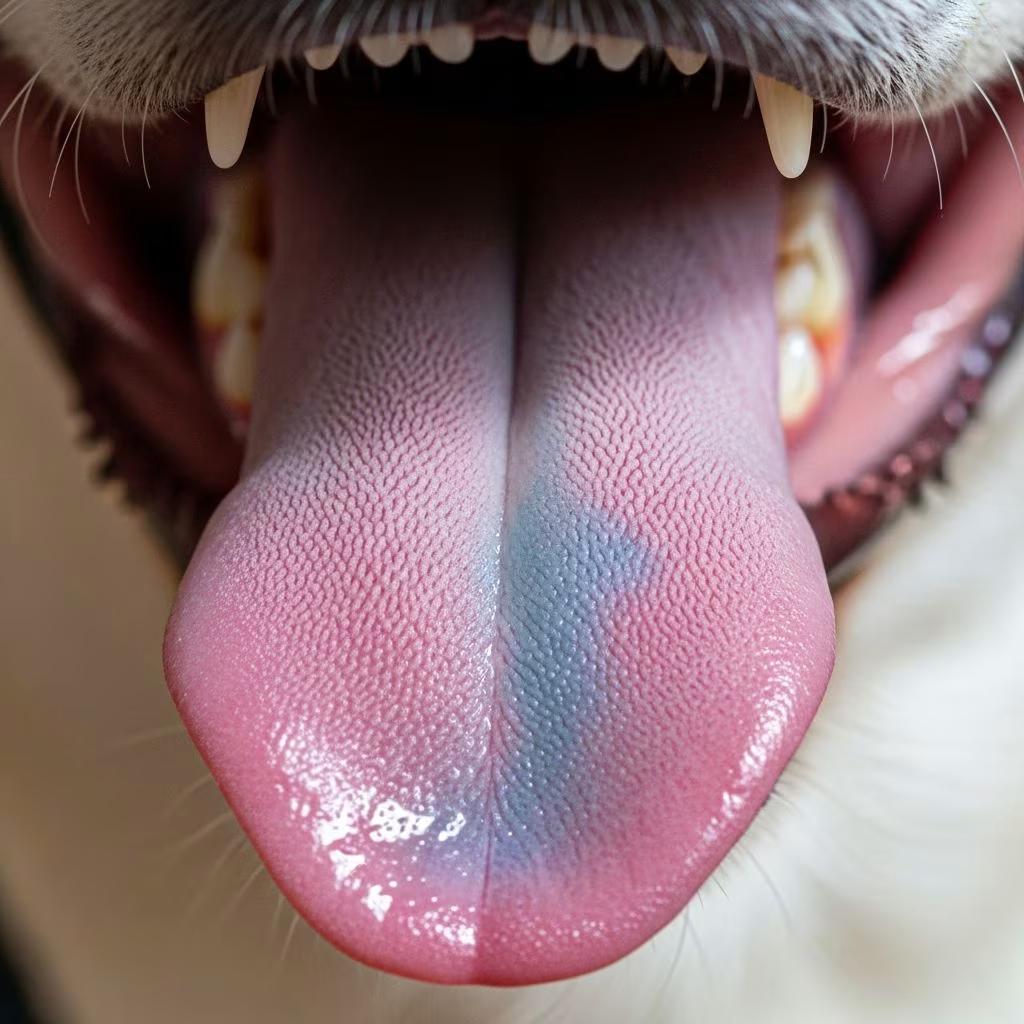
The tongue serves as a vital health indicator in dogs, much like gums or eyes. A typical healthy canine tongue displays a consistent **pink hue**, reflecting proper circulation and oxygenation. Deviations from this norm—such as pale, blue, red, yellow, or spotted appearances—often signal underlying problems ranging from mild irritation to life-threatening emergencies. Monitoring tongue color during routine checks can enable early detection of issues like anemia, infections, or organ dysfunction.
Understanding Normal vs. Abnormal Tongue Appearance
In healthy dogs, the tongue is moist, smooth, and pink, sometimes with black or blue spots in breeds like Chow Chows or Shar-Peis due to natural pigmentation. Abnormal changes involve uniform discoloration, spots on previously pink tongues, dryness, swelling, or lesions. These shifts can stem from local oral problems or systemic diseases affecting blood flow, oxygen levels, or pigment metabolism.
- Normal traits: Pink, wet, flexible, no foul odor.
- Warning signs: Sudden color shift, paired with lethargy, drooling, or appetite loss.
Pale or White Tongues: Signs of Poor Circulation
A **pale or white tongue** typically indicates reduced blood flow or low red blood cell counts, pointing to conditions like anemia or shock. Anemia arises from blood loss, parasites, bone marrow issues, or immune destruction of red cells, leading to fatigue and dirt-eating behaviors. Shock from trauma or internal bleeding causes sudden paleness alongside sunken eyes and rapid breathing.
Dehydration exacerbates paleness by concentrating blood and limiting flow to mucous membranes. Dental plaque buildup or infections can also contribute by causing localized inflammation. Medications like antibiotics may temporarily lighten the tongue.
| Condition | Symptoms | Urgency |
|---|---|---|
| Anemia | Lethargy, fast heartbeat, pale gums | High |
| Shock | Confusion, difficulty breathing | Emergency |
| Dehydration | Dry gums, sunken eyes | Immediate |
Blue or Purple Tones: Oxygen Deprivation Emergencies
**Blue or purple discoloration**, known as cyanosis, signals critically low oxygen in the blood, turning tissues bluish-gray. This emergency stems from respiratory failures like pneumonia or airway blockages, heart defects impairing circulation, or toxins blocking oxygen transport.
Cyanosis affects gums, lips, and tongue, often with rapid breathing, coughing, or collapse. Breeds with naturally pigmented tongues may mask early signs, so check inner pink areas. Immediate veterinary oxygen therapy and diagnostics like X-rays are essential.
- Respiratory causes: Asthma, choking.
- Cardiac causes: Congenital defects, failure.
- Toxin exposure: Chemicals hindering hemoglobin.
Bright Red Tongues: Inflammation and Overheating
A **bright red or inflamed tongue** suggests excess heat, injury, or irritation. Overheating during panting or heatstroke causes temporary redness, but persistent cases link to allergies, infections, or poisoning like carbon monoxide.
Injuries from chewing sharp objects, bacterial/fungal mouth infections, or autoimmune issues like lupus produce swelling and pain. Toxins or chemicals provoke similar reactions. Accompanying signs include drooling, bad breath, and reluctance to eat.
Yellow Discoloration: Liver and Infection Warnings
**Yellow tongues** denote jaundice from bilirubin buildup, often due to liver disease, gallbladder issues, or red blood cell breakdown. Bacterial infections like leptospirosis damage liver and kidneys, causing yellowing alongside vomiting and weakness.
This color affects light-coated dogs most visibly and demands urgent blood tests for liver enzymes. Toxin ingestion can mimic these effects.
Brown, Black Spots, or Other Pigment Changes
Persistent **brown tints** may indicate methemoglobinemia from toxins, altering blood pigmentation. New **black spots** on pink tongues warrant checks for melanoma, infections, or gum disease, unlike breed-normal pigmentation.
Other issues include salivary disorders, burns, or warts causing irregular colors.
Common Symptoms Accompanying Tongue Changes
Beyond color, watch for holistic signs of tongue-related illness:
- Excessive drooling or pawing at mouth.
- Difficulty swallowing or eating.
- Foul breath or visible ulcers/lesions.
- Behavioral shifts: Irritability, hiding.
- Systemic clues: Weight loss, fever.
When to Seek Veterinary Help
Any unexplained color change merits a vet visit, especially with symptoms like collapse, breathing distress, or jaundice. Use a tongue chart for reference: pink=healthy; others=investigate. Emergencies include cyanosis, severe paleness post-injury, or yellowing.
Routine oral exams prevent escalations; professional cleanings reduce infection risks.
Diagnostic Approaches for Tongue Issues
Vets employ bloodwork for anemia/jaundice, imaging for heart/lung problems, biopsies for tumors, and cultures for infections. Early intervention improves outcomes dramatically.
Preventive Care for Healthy Tongues
- Daily dental brushing with pet-safe toothpaste.
- Balanced diet avoiding allergens.
- Regular vet checkups and parasite control.
- Hydration monitoring, especially in heat.
- Avoid toxic exposures like antifreeze.
Frequently Asked Questions (FAQs)
Is a spotted tongue always bad?
No, spots are normal in some breeds, but new ones need evaluation.
Can medications cause tongue color changes?
Yes, antibiotics or chemo may whiten temporarily.
What breeds have blue tongues naturally?
Chow Chows and Shar-Peis; changes still require checks.
How do I check my dog’s tongue safely?
Gently lift lip during calm moments; note moisture and color.
Is yellow tongue always liver failure?
Often linked, but infections like leptospirosis also cause it.
References
- Signs and Colors of an Unhealthy Dog Tongue — Odie Pet Insurance. 2024. https://getodie.com/blog/unhealthy-dog-tongue-white-pale-yellow-blue-purple/
- Tongue Illness and Injury in Dogs — Texas Veterinary Dental Services. 2023-10-15. https://texasveterinarydentalcenter.com/tongue-illness-and-injury-in-dogs/
- Dog’s Tongue Color: Is Your Dog Healthy? — Animal Dental Services. 2024. https://vetdentisttn.com/talking-tongues-decoding-your-dogs-health-through-tongue-color/
- Dog Tongue Color Chart — PetLab Co. 2024-01-20. https://thepetlabco.com/learn/dog/health-wellness/dog-tongue-color-chart
- What Your Pet’s Tongue Color Says About Their Health — Onalaska Animal Hospital. 2023. https://www.onalaskaanimalhospital.com/blog/what-your-pets-tongue-color-says-about-their-health
- Cyanosis in Dogs: What it Looks Like and How it’s Treated — Vetster. 2024-05-10. https://vetster.com/en/wellness/cyanosis-in-dogs-what-it-looks-like-and-how-it-s-treated
- What Does A Black Tongue Mean On A Dog? — Rover.com. 2023-11-05. https://www.rover.com/blog/black-tongue-dog/



