

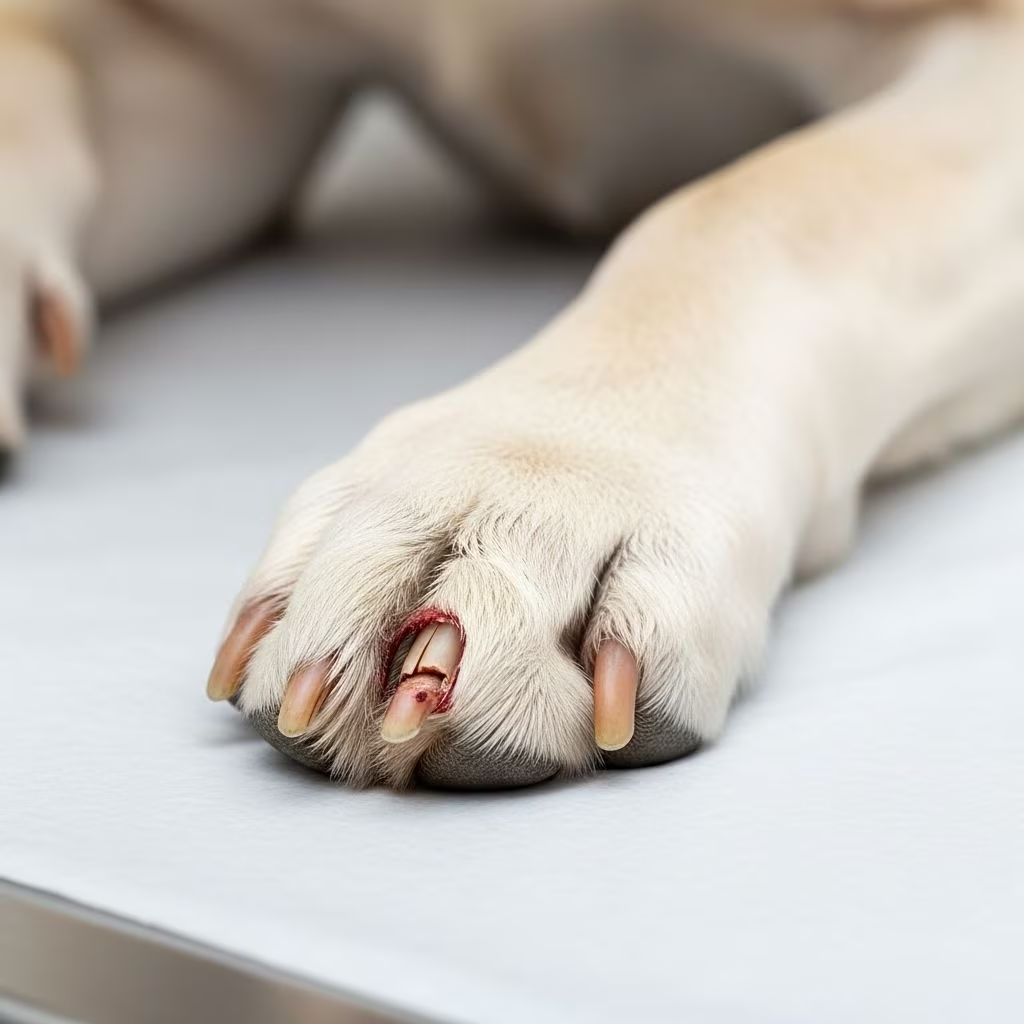
Dog toenail injuries are common occurrences that can cause significant discomfort if not addressed promptly. These issues often arise from everyday activities like running on rough terrain or getting caught in fabrics, leading to breaks, tears, or bleeding that expose sensitive tissues. Quick recognition and appropriate action can prevent complications such as infections or chronic pain, ensuring your dog’s paws remain functional and healthy.
Understanding the Anatomy of a Dog’s Nail
A dog’s toenail consists of a hard outer shell protecting the inner quick, which contains blood vessels and nerves. When damaged, this quick becomes exposed, causing pain and bleeding due to its vascular nature. Dark nails may hide the quick’s extent, making injuries harder to assess visually. Breeds with longer nails or active lifestyles are particularly prone to such problems.
Key components include the nail bed, where growth occurs, and surrounding skin folds susceptible to inflammation. Maintaining proper length through regular trimming helps avoid splits during high-impact play.
Common Triggers for Toenail Damage
Toenail injuries stem from mechanical stress or underlying conditions. Rough surfaces during walks abrade nails, while indoor slips on slick floors cause tears. Overgrown nails snag easily on carpets or furniture, splitting upon force.
- Trauma from play: High-energy chasing or digging exerts pressure leading to cracks.
- Environmental factors: Ice, gravel, or uneven pavement accelerates wear.
- Poor grooming: Untrimmed nails curve inward, fostering ingrown issues or breaks.
Systemic factors like allergies or hormonal imbalances weaken nails, increasing fragility.
Spotting the Warning Signs Early
Observe your dog’s gait and paw behavior for clues. Limping, reluctance to walk, or favoring one paw signals discomfort. Excessive licking or chewing targets the injured area, often worsening it.
| Symptom | Indication | Severity Level |
|---|---|---|
| Bleeding | Quick exposure | Moderate to High |
| Swelling/Redness | Infection risk | High |
| Limping/Pain | Nerve involvement | High |
| Discharge/Odor | Active infection | Emergency |
| Deformed Nail | Chronic issue | Moderate |
Multiple affected nails suggest broader problems like nutritional deficiencies or clotting disorders. Prompt inspection prevents escalation.
Immediate First Aid Protocols
Act swiftly to staunch bleeding and clean the site. Restrain your dog calmly to avoid bites from pain. Apply firm pressure with a clean gauze or towel for 5-10 minutes without peeking, as this allows clotting.
- Wrap the paw loosely in non-stick bandage to immobilize.
- Rinse gently with saline or mild antiseptic if dirt is present.
- Avoid cutting loose nail parts at home unless fully detached and bleeding controlled.
Use styptic powder or cornstarch to constrict vessels if bleeding persists. Monitor for 24 hours, changing bandages frequently.
Determining When Veterinary Intervention is Essential
Not all injuries resolve at home. Seek professional care if bleeding exceeds 10-15 minutes, the nail is fully avulsed exposing bone, or infection signs appear like pus or fever.
Sedation may be needed for deep tears to trim damaged sections painlessly. Vets assess for paronychia—inflammation of nail folds—often linked to allergies or endocrine diseases.
Frequently Asked Questions (FAQs)
Can I trim my dog’s broken nail myself?
Only if the loose portion is superficial and bleeding has stopped. Otherwise, risk further damage to the quick. Consult a vet for safety.
How long does a toenail injury take to heal?
Typically 7-14 days with proper care, but infections or autoimmune involvement extend recovery.
Why does my dog’s nail bleed so much?
The quick’s rich blood supply causes profuse flow. Clotting disorders amplify this in susceptible breeds.
Are certain dogs more at risk?
Yes, large active breeds or those with long nails like Great Pyrenees face higher incidences.
What if my dog has recurrent nail problems?
Investigate allergies, nutrition, or systemic diseases via vet diagnostics like cytology or biopsies.
Professional Treatment Approaches
Veterinarians start with examination, possibly cytology to identify bacteria, yeast, or parasites. Treatments vary:
- Debridement: Removing fractured nail under anesthesia.
- Antimicrobials: Topical or oral for infections.
- Bandaging: Protective wraps with e-collars to deter licking.
- Systemic therapy: For autoimmune or hormonal causes, immunosuppressants or hormone balancers.
Advanced cases may require cultures, biopsies, or imaging to rule out tumors.
Preventive Strategies for Robust Paw Health
Proactive measures reduce injury frequency. Trim nails biweekly, using grinders for smooth edges on dewclaws. Provide traction mats on slippery floors and paw booties for rough hikes.
Nutritional support with omega-3s strengthens nails. Regular vet checks screen for predisposing conditions like hypothyroidism.
- Daily paw inspections post-activity.
- Balanced diet rich in biotin and proteins.
- Soft play surfaces to minimize trauma.
Long-Term Management of Chronic Nail Conditions
Recurring issues demand holistic care. Foot soaks with Epsom salts or povidone-iodine aid chronic paronychia. Probiotics and anti-inflammatories complement conventional treatments.
Monitor for lameness or discoloration, as these herald deeper problems like cancer. Consistent grooming routines and environmental adjustments sustain paw integrity.
Potential Complications and Prognosis
Untreated breaks invite osteomyelitis—bone infections—or abscesses. Prognosis excels with early intervention; most heal fully without scarring. Chronic cases tied to allergies improve with allergen management.
Owners report high success rates post-vet care, with dogs resuming normal activity swiftly.
References
- Why a Vet Visit is Needed if Your Dog’s Toenail is Bleeding — Parrish Vet Clinic. 2023. https://parrishvetclinic.com/blog/dogs-toenail-is-bleeding/
- Your Dog’s Nails — National Great Pyrenees Rescue. 2024. https://nationalpyr.org/your-dogs-nails/
- Torn Toenails in Pets: When to Treat at Home vs. When to See a Vet — Westerville Pets. 2023. https://westervillepets.com/torn-toenails-in-pets-when-to-treat-at-home-vs-when-to-see-a-vet/
- Dog Broken Nail: Is It an Emergency? — GSVS. 2024. https://gsvs.org/blog/dog-broken-nail-emergency/
- Dog Nail Problems You Should Know About — VetDERM Clinic. 2023. https://www.vetdermclinic.com/dog-nail-problems-you-should-know-about/
- First Aid for Broken Nails on Dogs — PetMD. 2025. https://www.petmd.com/dog/care/first-aid-broken-nails-dogs
- First Aid for Broken Nails in Dogs — VCA Animal Hospitals. 2024. https://vcahospitals.com/know-your-pet/first-aid-for-broken-nails-in-dogs



