

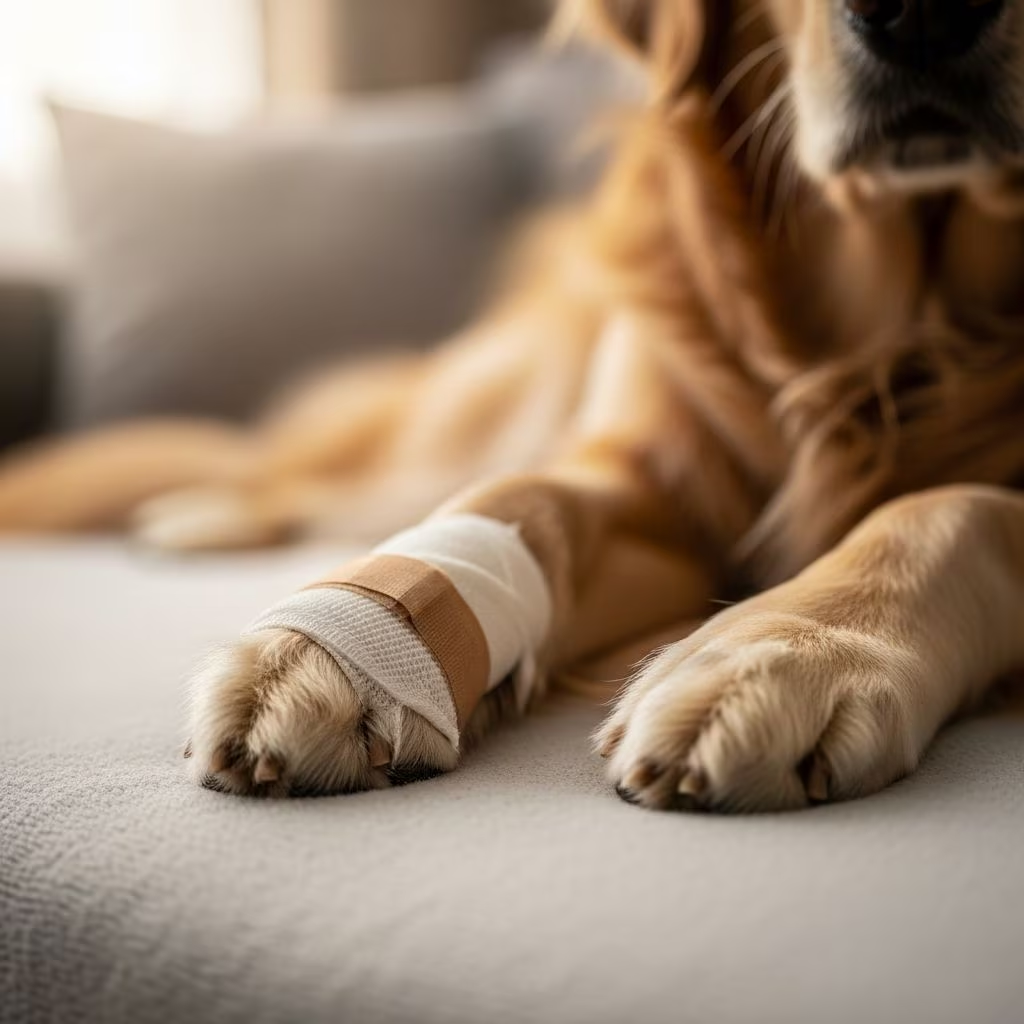
Dogs often undergo toe amputation due to tumors, infections, injuries, or chronic pain, and with proper care, they adapt remarkably well. This guide details every stage of recovery, from surgery day to long-term mobility, empowering pet owners to support their dog’s healing journey effectively.
Understanding Why Toe Amputation Happens in Dogs
Toe removal, or digit amputation, addresses severe conditions like malignant growths, deep infections, trauma, or irreparable joint damage. Outer toes, especially on hind legs, impact balance less than central weight-bearing ones, aiding quicker adjustment.
Common triggers include:
- Cancerous tumors: Such as squamous cell carcinoma, where clean margins during surgery prevent spread.
- Infections: Resistant bacterial or fungal issues unresponsive to drugs.
- Injuries: Fractures or ligament tears that fail conservative treatments like casting.
- Autoimmune diseases: Causing tissue destruction in toes.
Early veterinary intervention often makes this minor surgery preferable to prolonged suffering, with most dogs resuming normal activities post-recovery.
Immediate Post-Surgery Care: The First Critical Days
The initial 24-48 hours post-op demand strict rest in a quiet, comfortable space. Use crates or gated areas to limit movement, preventing strain on the incision.
Key actions include:
- Monitoring vital signs: Watch for steady breathing, alertness, and normal appetite. Contact your vet for distress signals like vomiting or extreme lethargy.
- Incision checks: Daily inspections for swelling, redness, or pus. Keep it dry; e-collars or suits deter licking.
- Hydration and diet: Offer small amounts of bland food, transitioning slowly. Flavor water with low-sodium broth if needed to combat dehydration.
Bandages, if applied, require protection from moisture—use plastic wraps for potty breaks. Rechecks ensure no infections develop.
Pain Control and Medication Protocols
Comprehensive pain management starts pre-op with analgesics, anti-inflammatories, patches, infusions, and continues home with orals.
| Medication Type | Purpose | Administration Tips |
|---|---|---|
| Opioids/Analgesics | Pain relief | Follow vet dosing; watch for sedation. |
| Anti-inflammatories (NSAIDs) | Reduce swelling | With food to avoid stomach upset. |
| Antibiotics | Prevent infection | Complete full course. |
Prompt administration minimizes discomfort, supporting faster healing. Adjust if side effects like nausea appear.
Activity Limits and Safe Movement During Healing
Confine to short, leashed potty walks using slings for support, avoiding stairs or slips. Full rest spans 2-3 weeks, with gradual increases.
Progression timeline:
- Weeks 1-2: Crate rest, assisted walks only.
- Weeks 3-4: Short leashed strolls; stitches out around day 14.
- Week 5+: Supervised play, building endurance.
This prevents re-injury while building confidence on the altered foot.
Spotting and Handling Complications Early
Vigilance catches issues swiftly. Normal signs: Mild limping (longer for weight-bearing toes), temporary appetite dips.
Red flags warrant immediate vet visits:
- Persistent vomiting or diarrhea.
- Incision heat, foul discharge, or fever.
- Excessive swelling or refusal to bear weight beyond 3-5 days.
- Lethargy or behavioral changes indicating pain.
Proactive monitoring ensures minor setbacks don’t escalate.
Rehabilitation Exercises for Strength and Balance
Post-stitch removal, rehab focuses on muscle building to avoid compensatory injuries in hips, shoulders, or spine.
At-home exercises (vet-approved):
- Balance work: Standing on uneven surfaces like cushions for 30 seconds daily.
- Hind-end strength: Sit-to-stand reps (5-10x), assisted by treats.
- Core engagement: Gentle “cookie stretches” side-to-side.
- Turning drills: Tight circles to retrain stability, vital post-outer toe loss.
Professional options include laser therapy, e-stim, underwater treadmill. Virtual sessions suit restricted access periods.
Dogs like agile Border Collies can return to sports with dedicated rehab.
Psychological Support for Your Dog’s Adjustment
Amputees may show anxiety or withdrawal. Maintain routines, offer affection, and use mental stimulation like scent games or puzzles—no physical demand.
Tips for emotional health:
- Positive reinforcement for new movements.
- Pack time with calm siblings boosts morale.
- Consistent comfort reassures during adaptation.
Most dogs rebound emotionally within weeks, embracing three-legged life.
Mobility Aids and Long-Term Joint Health
For added support, consider:
- Wheelchair carts for high-energy breeds.
- Orthotic prosthetics fitting residual stump.
- Ramps/harnesses easing home access.
Ongoing care: Weight control, joint supplements (glucosamine), regular vet exams for arthritis prevention. Swimming builds strength sans impact.
Real-Life Success: Dogs Thriving Post-Toe Amputation
Stories abound of rapid recoveries. One Border Collie resumed agility after rehab, mastering turns despite hind toe loss. Another pup, post-dislocation, walked comfortably weeks after surgery. Sedentary dogs adapt too, playing freely post-healing.
Prognosis shines: Minimal lifestyle changes for most, full activity resumption common.
FAQs on Dog Toe Amputation Recovery
How long until my dog walks normally?
Expect limping 1-2 weeks; full gait by 4-6 weeks with rehab.
Will my dog be in constant pain?
No, proper meds control it well; chronic issues rare.
Can active dogs return to sports?
Yes, many do agility or fetch after strengthening.
What if the toe was weight-bearing?
Longer limp, more rehab focus on balance.
Is toe amputation expensive?
Varies; quicker recovery than limb amps offsets costs.
Partnering with Your Veterinarian Throughout
Regular follow-ups track healing, adjust plans. Ask about rehab referrals, supplements. Pet insurance can ease financial burdens for such procedures.
With diligence, your dog navigates this change triumphantly, proving resilience in four-legged (now three-toed) friends.
References
- Amputation Surgery Recovery Guide For Your Pet — Animal Outpatient Surgery. 2023. https://animaloutpatientsurgery.com/amputation-post-op/
- The Thorny Story of a Dog Toe Amputation — Tripawds. 2021-02-10. https://tripawds.com/2021/02/10/dog-toe-amputation/
- What To Expect After A Limb Amputation — Virginia Veterinary Centers. N/A. https://www.virginiaveterinarycenters.com/blog/what-to-expect-after-a-limb-amputation
- Amputations — Sterling Animal Shelter Clinic. N/A. https://sterlingshelterclinic.org/myths-on-low-cost/amputations/
- Digit Amputation in Dogs — WagWalking. N/A. https://wagwalking.com/treatment/digit-amputation



