

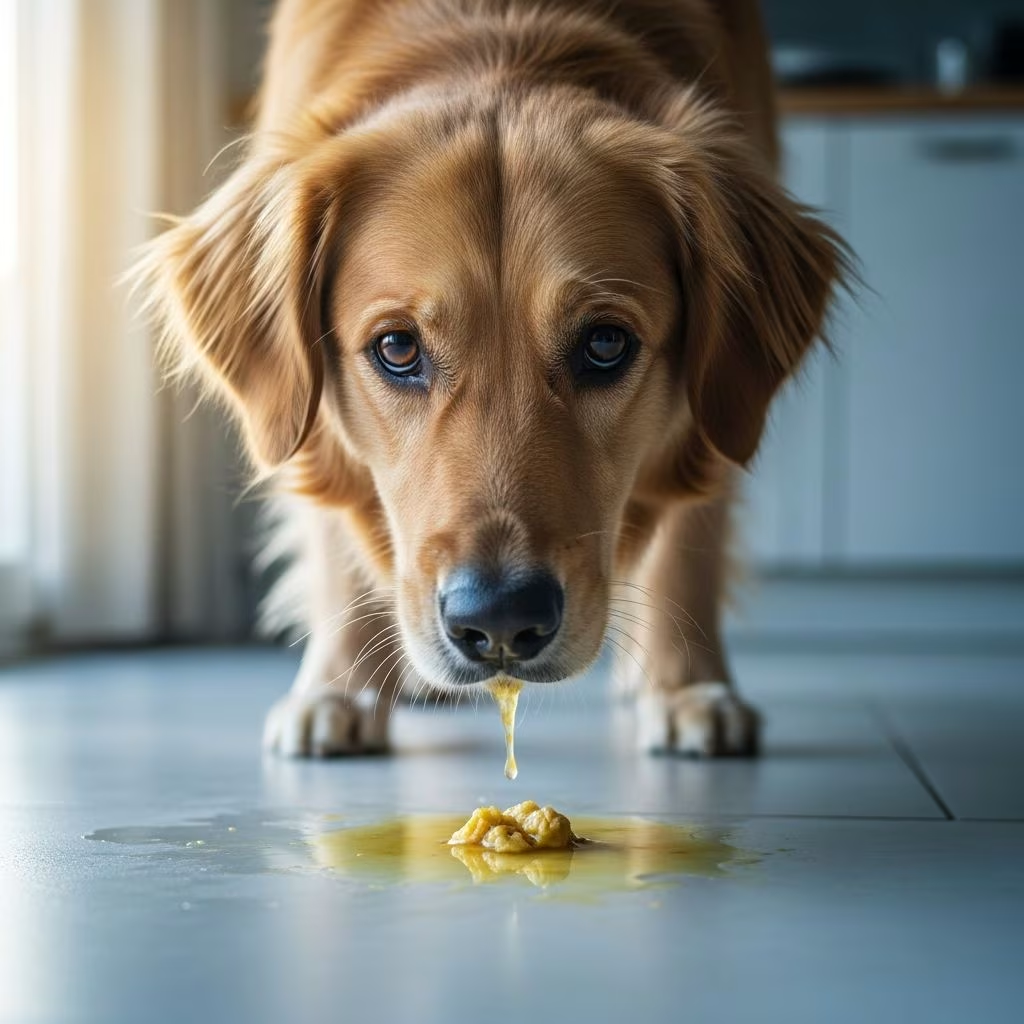
Morning vomiting in dogs is a frequent concern for pet owners, often presenting as yellow foam or bile right after waking. While occasional episodes may seem harmless, persistent morning vomiting can signal underlying digestive issues, dietary problems, or serious health conditions. Understanding the root cause is essential for your dog’s well-being. This guide covers the **10 most common reasons** dogs throw up in the morning, symptoms to watch for, diagnostic steps, and practical solutions recommended by veterinarians.
Dogs’ stomachs produce acid in anticipation of meals, and overnight fasting—typically 10-12 hours—can lead to irritation if not managed properly. Factors like feeding schedules, eating habits, and environmental stressors play key roles. Always monitor for accompanying signs like lethargy, diarrhea, or weight loss, as these elevate the urgency for veterinary care.
10 Common Reasons Why Dogs Throw Up in the Morning
Here are the primary culprits behind your dog’s morning vomiting routine, ranked by commonality based on veterinary insights.
1. Empty Stomach (Bilious Vomiting Syndrome)
The most frequent cause is **bilious vomiting syndrome (BVS)**, where a dog goes too long without food overnight. The stomach builds up bile—a yellowish, foamy digestive fluid—which irritates the empty lining, triggering vomiting upon waking. Dogs fed once daily or with early dinners (before 6 PM) are prone, as are younger, healthy pups. Symptoms include nausea signs like lip-smacking or drooling, resolving quickly after breakfast.
- Solution: Offer a small bedtime snack (e.g., boiled rice and chicken) or split meals into 3-4 smaller portions daily.
- Prevention: Feed dinner later and ensure consistent schedules.
2. Eating Food Too Quickly
Dogs that gulp food inhale air (aerophagia), overwhelming the stomach and causing regurgitation shortly after eating—or the next morning if it ferments overnight. Breeds like Labradors or those in multi-dog homes compete fiercely, exacerbating this.
- Symptoms: Vomiting undigested food mixed with foam.
- Solutions: Use slow-feeder bowls, puzzle toys, or place tennis balls in the dish to pace intake.
3. Parasites
Intestinal parasites like roundworms, hookworms, or giardia irritate the gut lining, leading to vomiting, often with diarrhea, weight loss, pot-bellied appearance, and poor coat. Puppies and dogs in parks or kennels are at higher risk.
- Diagnosis: Fecal test at the vet.
- Treatment: Dewormers like pyrantel or fenbendazole; monthly preventives essential.
4. Dietary Indiscretion (Garbage Gut)
Scavenging trash, table scraps, or spoiled food causes indigestion, with morning vomit expelling remnants. Greasy or rich foods trigger this in sensitive stomachs.
- Prevention: Secure trash, avoid human food, transition diets slowly over 7-10 days.
5. Exercising Too Much After Eating
Vigorous play or walks immediately post-meal sloshes food, prompting vomiting as the body’s defense. Wait 1-2 hours after feeding before exercise.
6. Anxiety or Stress
Morning stressors—like household routines, noises, or separation anxiety—stimulate nausea via the gut-brain axis. Anxious dogs may pace, whine, or vomit foam.
- Management: Calming aids, desensitization training, or vet-prescribed anti-anxiety meds.
7. Dietary Issues or Allergies
Food sensitivities to proteins (chicken, beef), grains (wheat), or dairy cause chronic GI upset and vomiting. Sudden diet changes provoke this too.
| Common Allergens | Symptoms | Solutions |
|---|---|---|
| Chicken/Beef | Vomiting, itchy skin, diarrhea | Hydrolyzed protein diet |
| Grains/Dairy | Gas, loose stools | Grain-free or limited-ingredient food |
8. Foreign Body Ingestion
Dogs chew socks, toys, or sticks, causing blockages or irritation. Signs include persistent vomiting, pain, dehydration. Emergency X-rays needed if suspected.
9. Infectious Diseases
Bacterial (Salmonella), viral (parvovirus), or toxin exposures from contaminated food lead to acute vomiting with fever, lethargy. Unvaccinated dogs are vulnerable.
10. Medical Conditions
Serious issues like **pancreatitis**, IBD, diabetes, kidney disease, or pregnancy cause recurrent vomiting. Watch for polydipsia, pain, or blood in vomit—these demand immediate vet attention.
Why Is My Dog Throwing Up Yellow Foam in the Morning?
**Yellow foam vomit** is typically bile from an empty stomach, hallmark of BVS. Acid reflux or gastritis can contribute, where bile refluxes into the stomach. Overweight dogs or those with hiatal hernias are prone. If persistent, rule out liver issues via bloodwork. A late-night snack often resolves mild cases.
Why Is My Dog Throwing Up Every Day but Acting Normal?
Even “happy” dogs vomit from benign causes like BVS, fast eating, or mild reflux. However, daily episodes warrant checks for parasites, allergies, or early chronic disease. Lethargy-free vomiting doesn’t rule out problems—monitor appetite and stool.
Other Types of Vomiting to Differentiate
- White Foam: Indigestion, kennel cough, pancreatitis, or bloat (emergency!).
- Bloody Vomit: Ulcers, toxins—vet ER stat.
- Undigested Food: Regurgitation vs. true vomiting (projectile).
When to See a Vet for Morning Vomiting
Single episodes? Monitor. But contact a vet if:
- Vomiting >2x/day or 24+ hours.
- Blood, severe lethargy, pain, bloating.
- Puppy, senior, or pre-existing conditions.
- Dehydration (skin tenting, dry gums).
Diagnostics may include bloodwork, fecal tests, ultrasound, or endoscopy.
How to Stop Morning Vomiting at Home
- Adjust Feeding: 3-4 small meals; late snack for BVS.
- Slow Eating Tools: Puzzle feeders.
- Hydration: Fresh water; electrolyte solutions if needed.
- Bladder Fasting: Brief 12-hour fast, then bland diet (rice/chicken).
- Probiotics: Vet-approved for gut health.
Frequently Asked Questions (FAQs)
Is morning bile vomit dangerous?
No, if isolated and your dog acts normal—it’s often BVS. But chronic cases need vet evaluation.
Can diet alone fix my dog’s vomiting?
Yes for sensitivities or BVS; switch to novel protein diets under vet guidance.
What if my dog vomits after every meal?
Possible megaesophagus or allergies—imaging and allergy testing required.
How do I prevent parasites causing vomiting?
Monthly dewormers, fecal checks, avoid raw meat.
Long-Term Prevention Tips
Maintain routine checkups, vaccinations, quality diet without fillers, and stress reduction. Track vomit patterns in a journal for your vet. Early intervention prevents escalation to costly treatments.
References
- 10 Reasons Why Your Dog Throws Up in the Morning — Kinship. 2023. https://www.kinship.com/dog-health/dog-throws-up-every-morning
- Why Does My Dog Keep Throwing Up? — Spot & Tango. 2024. https://www.spotandtango.com/blog/why-does-my-dog-keep-throwing-up
- Why is My Dog Throwing Up Yellow Foam? — Cherry Creek Veterinary Clinic. 2024. https://www.cherrycreekvet.com/blog/why-is-my-dog-throwing-up-yellow-foam/
- Why Is My Dog Throwing Up White Foam? — PVESC. 2023. https://pvesc.com/why-is-my-dog-throwing-up-white-foam/
- Bilious Vomiting Syndrome — Elwood Veterinary. 2023. https://www.elwoodvet.net/bilious-vomiting
- Feeding Dogs with Bilious Vomiting Syndrome — PetMD. 2014 (authoritative veterinary reference). https://www.petmd.com/blogs/nutritionnuggets/dr-coates/2014/june/feeding-dog-vomits-every-day-31825



