Why Is My Dog Throwing Up Yellow? Is It an Emergency?
Learn why dogs vomit yellow bile, when it's an emergency, and how to help your pet.
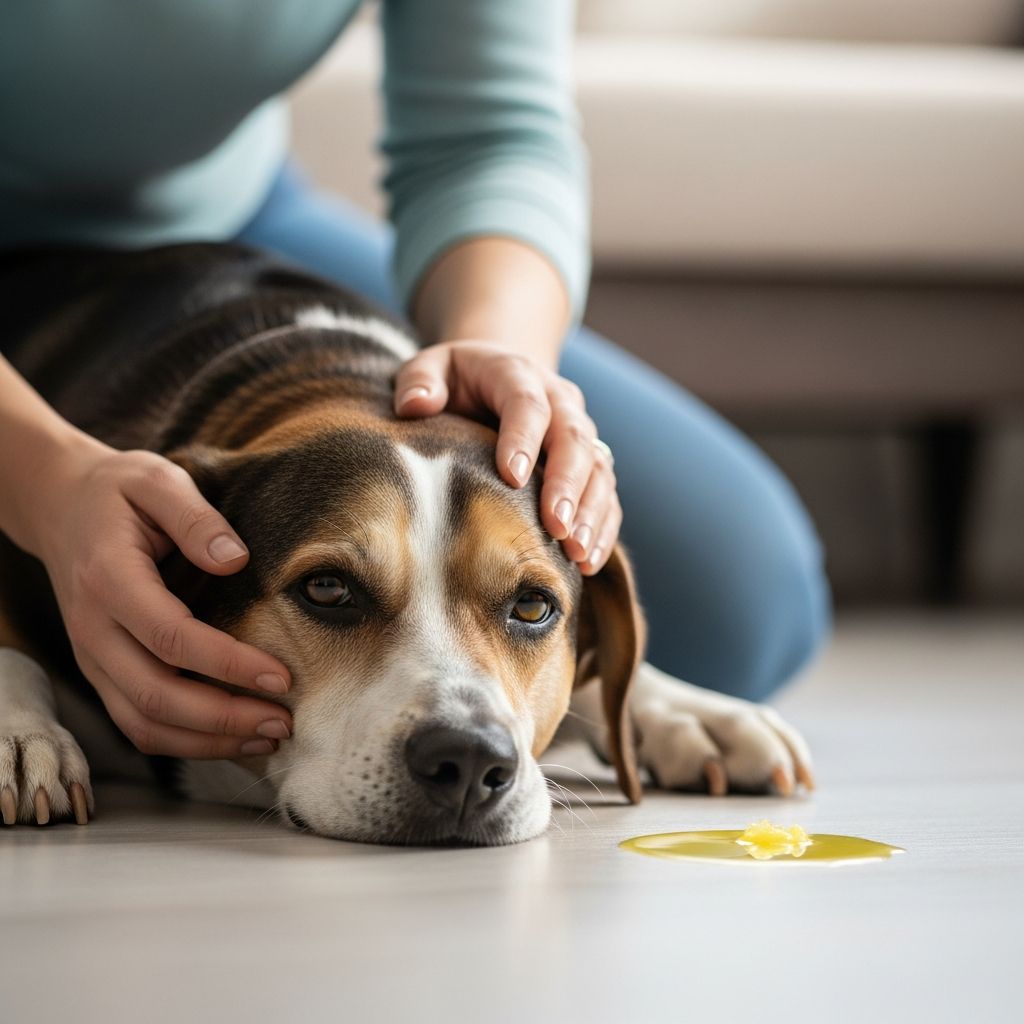
Discovering that your dog is vomiting yellow bile can be distressing for any pet owner. While occasional vomiting may seem minor, understanding what yellow vomit means and recognizing when it requires immediate veterinary attention is crucial for your dog’s health and well-being. Yellow vomit in dogs is typically composed of bile, a digestive fluid that plays an essential role in breaking down fats and supporting overall digestion.
Understanding Yellow Vomit in Dogs
What Is Bile and Why Do Dogs Vomit It?
Bile is a yellow or greenish digestive fluid produced by the liver and stored in the gallbladder. Its primary function is to help break down fats during the digestive process and improve the absorption of vital nutrients. When a dog vomits yellow material, it indicates that bile from the small intestine has backed up into the stomach, causing irritation and triggering the vomiting reflex.
This backup of bile often occurs when a dog’s stomach remains empty for extended periods. During normal digestion, bile moves through the digestive tract in a specific direction. However, when there’s no food to digest, the bile can accumulate in the stomach and cause inflammation of the stomach lining, leading to nausea and vomiting.
Common Causes of Yellow Bile Vomiting
1. Bilious Vomiting Syndrome (Empty Stomach)
One of the most common reasons dogs throw up yellow bile is bilious vomiting syndrome, which occurs when the stomach remains empty for too long. This condition frequently affects dogs that haven’t eaten for several hours, particularly overnight or between meals. Dogs with bilious vomiting syndrome often vomit yellow foam or liquid in the early morning or late at night after extended periods of fasting.
Some dogs are more sensitive to having an empty stomach than others. These pets may develop nausea and vomiting as their stomach becomes irritated by the accumulating bile. The condition is generally not serious, but it can be uncomfortable for your dog and concerning for pet owners.
2. Gastrointestinal Blockage
A gastrointestinal blockage occurs when a foreign object, such as toys, bones, or other indigestible items, obstructs the movement of digested materials through the stomach and intestines. This serious condition prevents food and bile from moving through the digestive tract properly, leading to repeated vomiting. Dogs with intestinal blockages typically have a very poor appetite and struggle to keep anything down, including water.
Blockages can become life-threatening quickly if left untreated, as they can lead to dehydration, malnutrition, and tissue damage. If you suspect your dog has swallowed something they shouldn’t have, seeking immediate veterinary care is essential.
3. Pancreatitis
Pancreatitis is inflammation of the pancreas and represents a more serious condition that requires immediate veterinary attention. While pancreatitis can be triggered by the consumption of highly fatty or oily foods, approximately 90% of the time the cause cannot be determined and is considered idiopathic. This condition typically develops three to five days after a dog consumes fatty foods, though it can occur as early as 24 hours after exposure.
Dogs suffering from pancreatitis experience intense abdominal pain and often display multiple symptoms including repeated vomiting, diarrhea, poor appetite, lethargy, and fever. The inflammation of the pancreas disrupts normal digestive function, resulting in yellow bile vomiting among other gastrointestinal distress.
4. Food Intolerances and Allergies
While food allergies typically manifest as itchy skin, some dogs may vomit yellow material when experiencing food intolerances or sensitivities. Additionally, rapidly switching a dog’s diet without a gradual transition period can cause digestive upset and vomiting. Low-quality dog food containing artificial preservatives, fillers, and difficult-to-digest ingredients can contribute to stomach irritation and bile vomiting over time.
5. Toxin Ingestion
Ingestion of certain toxins, such as antifreeze, chocolate, medications, or other poisonous substances, can trigger vomiting in dogs. While the initial vomitus may be colored by the ingested toxin, it can gradually become yellow as bile continues to be expelled. Pet owners should familiarize themselves with common dog toxins and take precautions to keep dangerous substances out of reach.
6. Liver or Gallbladder Disease
Since bile is produced in the liver and stored in the gallbladder, any disruption in these organs can lead to yellow vomiting. Liver disease and gallbladder issues can cause bile to back up into the stomach, resulting in frequent episodes of vomiting. Dogs with liver disease may also experience jaundice (yellowing of the skin or eyes), weight loss, changes in appetite, diarrhea, lethargy, reduced appetite, and abdominal pain.
7. Gastrointestinal Inflammation and Diseases
Various gastrointestinal diseases can cause yellow bile vomiting in dogs. These include gastritis (inflammation of the stomach lining), inflammatory bowel disease (IBD), acid reflux, and other conditions affecting the digestive tract. Bacterial or viral infections and parasite infestations can also trigger acute or chronic vomiting episodes.
Dogs with gastrointestinal problems may also experience symptoms such as diarrhea, lethargy, decreased appetite, and signs of abdominal discomfort. These underlying conditions require proper diagnosis and treatment from a veterinarian.
8. Additional Causes
Other conditions that may cause yellow bile vomiting include gastrointestinal parasites, Addison’s disease (hypoadrenocorticism), ulcers in the stomach or intestines, and certain cancers. Each of these conditions requires professional veterinary evaluation to determine the underlying cause and appropriate treatment plan.
When Is Yellow Vomit an Emergency?
Red Flag Symptoms
While occasional vomiting may not warrant immediate concern, certain symptoms indicate that your dog requires emergency veterinary care. Understanding these warning signs can help you make quick decisions about your pet’s health.
Repeated vomiting episodes, particularly three or more episodes within a 24-hour period, suggest an underlying issue that needs professional evaluation. Additionally, if vomiting is accompanied by blood in the vomitus or if the vomit appears black (which may indicate digested blood), emergency care is necessary.
Lethargy is another significant red flag. A dog that appears weak, unresponsive, or uninterested in food while vomiting yellow bile may be experiencing a serious gastrointestinal problem such as pancreatitis, liver disease, or intestinal blockage. Dogs displaying signs of abdominal pain—including whining, hunching over, reluctance to move, or sensitivity to touch—should receive immediate veterinary attention.
Emergency Symptoms Requiring Immediate Veterinary Care
Contact an emergency veterinarian or animal hospital if your dog exhibits any of the following:
- Vomiting that persists for more than 24 hours
- Dog appears lethargic, weak, or refuses food and water
- Vomiting is accompanied by diarrhea, excessive drooling, or visible signs of abdominal pain
- The vomit contains blood or appears black with a strong foul odor
- Signs of dehydration, including dry gums, sunken eyes, or excessive panting
- Suspected ingestion of foreign objects or toxic substances
- Vomiting accompanied by fever or other signs of infection
Diagnosing the Cause
Veterinary Evaluation Process
When you bring your dog to the veterinarian for yellow bile vomiting, the vet will perform a thorough physical examination and gather information about your dog’s symptoms, dietary history, and recent activities. The veterinarian may ask when the vomiting started, how frequently it occurs, and whether your dog has eaten anything unusual recently.
Diagnostic tests may include blood work to assess organ function and check for infections, urinalysis, fecal examination to check for parasites, and imaging studies such as X-rays or ultrasound to visualize the digestive tract and identify blockages or organ abnormalities. These diagnostics help determine whether the vomiting is due to a simple, manageable condition like bilious vomiting syndrome or a more serious underlying disease requiring specific treatment.
Treatment and Management
Managing Bilious Vomiting Syndrome
For dogs with bilious vomiting syndrome caused by an empty stomach, the most effective management strategy involves preventing long periods without food. Feeding your dog a small meal or snack before bedtime or earlier in the day can help reduce morning vomiting episodes. Some veterinarians recommend dividing the daily food portion into smaller, more frequent meals throughout the day.
Additionally, offering a small snack in the evening may help prevent bile from accumulating overnight. Discuss with your veterinarian whether your current feeding schedule is appropriate for your dog’s needs and whether dietary adjustments might help resolve the issue.
Treatment for Serious Conditions
Treatment varies depending on the underlying cause of yellow bile vomiting. For pancreatitis, veterinarians typically recommend a low-fat diet, anti-inflammatory medications, and supportive care including IV fluids if necessary. Gastrointestinal blockages may require surgical intervention to remove the foreign object.
Liver disease, food allergies, and other chronic conditions require specific treatment plans tailored to your dog’s individual situation. Your veterinarian will discuss the appropriate treatment options based on the diagnosis and your dog’s overall health status.
Preventing Yellow Bile Vomiting
Dietary Considerations
Feed your dog high-quality, easily digestible dog food that supports gastrointestinal health. Avoid giving your dog fatty table scraps or human foods that may trigger digestive upset. If you need to change your dog’s diet, do so gradually over 7-10 days to allow the digestive system to adjust.
Lifestyle Management
Establish a consistent feeding schedule with appropriate meal spacing to prevent long periods of stomach emptiness. Ensure your dog has access to fresh water throughout the day. Keep toxic substances, foreign objects, and other hazardous items out of reach to prevent accidental ingestion.
Frequently Asked Questions
Q: Is it normal for dogs to vomit yellow bile occasionally?
A: Occasional vomiting of yellow bile, especially in the morning or after long periods without food, may be relatively normal for some dogs. However, if it occurs frequently or is accompanied by other symptoms, it warrants veterinary evaluation to rule out underlying health issues.
Q: Can changing my dog’s diet help reduce bile vomiting?
A: Yes, switching to a high-quality, easily digestible diet and feeding smaller, more frequent meals can help reduce bile vomiting in many dogs. Always make dietary changes gradually and consult with your veterinarian about the best food options for your dog.
Q: How can I tell if my dog’s yellow vomiting is an emergency?
A: If your dog’s vomiting persists for more than 24 hours, is accompanied by lethargy, blood in the vomit, severe abdominal pain, or signs of dehydration, seek emergency veterinary care immediately.
Q: What should I do if I suspect my dog ate something toxic?
A: If you suspect toxin ingestion, contact your veterinarian or an animal poison control center immediately. Do not wait to see if symptoms develop; prompt intervention can be life-saving.
Q: Can probiotics help with my dog’s bile vomiting?
A: While probiotics may support digestive health in some dogs, they are not a substitute for veterinary diagnosis and treatment. Discuss with your veterinarian whether probiotics might be beneficial as part of your dog’s overall health management plan.
References
- Why Is My Dog Throwing Up Yellow? Is It an Emergency? — PetMD. 2024. https://www.petmd.com/dog/general-health/dog-throwing-up-yellow-bile
- Dog Throwing Up Yellow Bile & Foam: Here’s What to Do — The Pet Lab Co. 2024. https://thepetlabco.com/learn/dog/health-wellness/dog-throwing-up-yellow-bile-and-foam
- Why Is My Dog Throwing Up Yellow Vomit? — Lincolnway Veterinary Clinic. 2024. https://lincolnwayvet.com/blog/why-is-my-dog-throwing-up-yellow-vomit/
- Why is My Dog Throwing Up Yellow Foam? — Cherry Creek Veterinary Medical Center. 2024. https://www.cherrycreekvet.com/blog/why-is-my-dog-throwing-up-yellow-foam/
- Why Is My Dog Throwing Up Yellow Bile? — Spot & Tango. 2024. https://www.spotandtango.com/blog/throwing-up-yellow-bile
- Dog Throwing Up Yellow: Urgent Symptoms & What to Do Now — Golden State Veterinary Society. 2024. https://gsvs.org/blog/dog-throwing-up-yellow-urgent-care/
- Pet Throwing Up Yellow Foam? Causes and When to Seek Help — Caring Paws Animal Hospital. 2024. https://www.caringpawsanimalhospital.com/blog/why-is-my-pet-throwing-up-yellow-foam/
Similar Articles








Read full bio of medha deb