

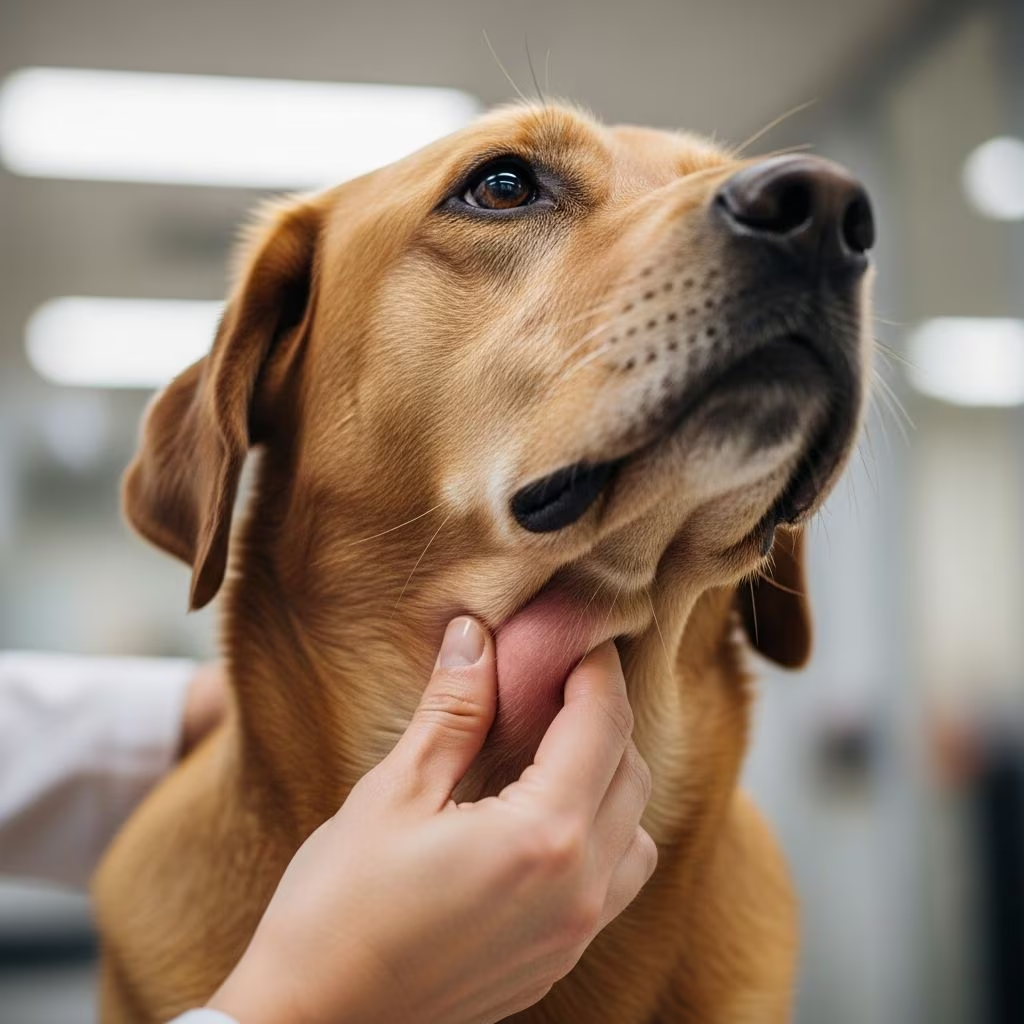
When you notice your dog’s throat appears swollen or your pet is having difficulty swallowing, it can be concerning for any pet owner. Throat swelling in dogs can range from a minor irritation to a serious medical condition requiring immediate veterinary attention. A visible enlargement around the neck region or signs of respiratory distress should prompt a professional evaluation. The underlying causes of throat inflammation are diverse and can stem from infections, inflammatory conditions, physical injuries, or systemic health issues affecting your dog’s well-being.
Recognizing the Signs of Throat Problems in Your Dog
Before exploring specific conditions, it’s important to understand how throat swelling typically manifests in dogs. Pet owners should watch for behavioral and physical changes that may indicate throat discomfort or inflammation. Early recognition of these signs can make a significant difference in your dog’s treatment outcomes and recovery time.
Common Symptoms Associated with Throat Swelling
- Difficulty swallowing: Your dog may hesitate, struggle, or show signs of pain when attempting to swallow food or water
- Changes in vocalization: A noticeably hoarse bark, loss of voice, or reluctance to bark can indicate throat irritation
- Persistent coughing: Dry, hacking coughs or wet, productive coughs may develop, sometimes triggered by touching the windpipe area
- Excessive drooling: Increased salivation beyond your dog’s normal baseline may suggest throat discomfort
- Loss of appetite: Dogs experiencing throat pain often refuse food or eat more slowly than usual despite showing hunger
- Gagging or retching: Repeated gagging motions or attempts to clear the throat indicate possible obstruction or inflammation
- Visible enlargement: Swelling around the neck, under the jaw, or in the throat area may be observable
- Lethargy: Reduced activity levels and increased sleepiness often accompany throat discomfort
- Fever: An elevated body temperature indicates your dog is fighting an infection
Upper Respiratory Infections: A Leading Cause of Throat Issues
One of the most frequently encountered causes of throat swelling in dogs is upper respiratory infection, commonly known as kennel cough or infectious tracheobronchitis. This highly contagious condition spreads rapidly through close contact with infected dogs, particularly in environments where multiple dogs congregate such as shelters, boarding facilities, dog parks, and training classes.
Understanding Kennel Cough and Related Infections
Kennel cough results from viral or bacterial agents attacking the upper respiratory system. The bacterium Bordetella bronchiseptica is frequently responsible, though canine influenza virus, parainfluenza virus, and canine adenovirus type-2 can also cause the condition. The infection triggers inflammation throughout the throat and windpipe region, leading to the characteristic persistent cough that gives the condition its common name.
The severity of kennel cough varies significantly among affected dogs. Most healthy adult dogs experience mild to moderate symptoms and recover without complications within one to three weeks. However, puppies and senior dogs face increased risk of severe illness and secondary complications. Young dogs’ developing immune systems and older dogs’ declining immune function both contribute to heightened vulnerability.
Symptoms Specific to Upper Respiratory Infections
Dogs with kennel cough typically develop a distinctive “honking” or seal-like cough that may sound alarming to owners. This characteristic sound results from inflammation of the trachea and bronchial tubes. Additional symptoms include gagging, retching, and wheezing, particularly during exercise or excitement. Some dogs may experience a sore throat due to the continuous coughing, and throat swelling can develop as inflammation progresses.
Tonsillitis: When Secondary Infections Develop
Tonsillitis, or inflammation of the tonsils, typically develops as a secondary condition rather than a primary disease. The tonsils, small lymphoid tissue masses located at the back of the throat, become infected when bacteria or foreign material lodge in these tissues. Understanding the connection between tonsillitis and underlying conditions helps pet owners recognize when this complication may occur.
How Tonsillitis Develops in Dogs
Several conditions create an environment conducive to tonsillitis development. Chronic vomiting irritates the throat tissue and creates opportunities for bacterial infection. Persistent productive coughing from conditions like kennel cough or pneumonia similarly damages throat defenses. Chronic dental disease represents perhaps the most common underlying cause. When tartar accumulates on teeth, it fosters bacterial infections in the gums and mouth, which can spread to the tonsils and trigger inflammation.
Unlike some throat conditions, tonsillitis in dogs usually occurs without fever despite the inflammatory response. However, affected dogs experience notable pain when the tonsils enlarge. This pain often causes dogs to gag repeatedly or attempt frequent swallowing motions, as if something is lodged in their throat.
Clinical Presentation of Canine Tonsillitis
Dogs with tonsillitis frequently display lip-licking behaviors and show marked reluctance to eat. Many affected dogs appear hungry and approach their food bowl but refuse to consume the food due to swallowing pain. Some dogs may attempt to eat more slowly than usual, taking small bites and chewing carefully. Behavioral changes include reduced activity levels and general lethargy, though fever is typically absent.
Allergic Reactions and Environmental Triggers
Throat swelling can occur as a manifestation of allergic reactions, which may develop in response to environmental, dietary, or contact allergens. Pet owners often underestimate the severity of allergic reactions affecting the throat, but swelling in this critical area demands immediate attention due to potential airway compromise.
Sources of Allergic Reactions in Dogs
Dogs encounter potential allergens through multiple routes. Environmental allergens including pollen, dust mites, mold spores, and plant materials can trigger reactions, particularly in seasonally sensitive dogs. Chemical irritants such as household cleaning products, pesticides, or air pollutants may provoke responses. Medications occasionally cause allergic reactions, as do certain food ingredients or additives. Parasite-related allergens from fleas and insect bites represent another category, with some dogs developing severe reactions to flea saliva despite minimal flea exposure.
Recognizing Serious Allergic Reactions
While mild allergy symptoms might include itching or mild inflammation, throat swelling indicates a more serious allergic response requiring prompt veterinary evaluation. Even if your dog shows only mild initial symptoms, consulting with a veterinarian is prudent because mild allergic reactions can rapidly progress to severe airway obstruction, which poses a life-threatening risk. Anaphylactic reactions can develop suddenly and may prove fatal if untreated.
Physical Trauma and Throat Injuries
Traumatic injuries to the throat region can cause acute swelling and require careful assessment to prevent complications. Dogs may sustain throat injuries through various mechanisms that pet owners should understand to provide appropriate prevention and response.
Common Causes of Throat Trauma
Throat injuries frequently result from dogs chewing on sharp or splintered objects that perforate or lacerate throat tissues. Sticks represent a particular hazard, which is why veterinary organizations caution against using stick-fetching games as training tools. Forceful pulling on leashes can cause trauma to the throat region, particularly in small dogs or those with sensitive necks. Foreign objects lodged in the throat create both trauma and potential obstruction risks.
Complications from Throat Injuries
When trauma ruptures blood vessels in the tissues beneath the throat skin, hematomas can form, leading to substantial swelling. These collections of blood create visible enlargement and may interfere with normal swallowing or breathing. Traumatic injuries also create openings for secondary bacterial infections to establish, potentially leading to abscess formation if left untreated.
Dental Disease and Mouth-Related Throat Problems
The connection between dental health and throat problems in dogs is stronger than many pet owners realize. Poor oral hygiene creates multiple pathways for throat inflammation and infection to develop.
How Dental Problems Lead to Throat Swelling
Periodontal disease, characterized by tartar accumulation and gum infection, represents the primary dental condition affecting throat health. The bacterial infections associated with tartar buildup can spread to surrounding tissues, including the tonsils, causing secondary tonsillitis. Additionally, chronic gum disease and tooth infections can trigger inflammation extending into the throat region and surrounding neck structures.
Preventive Dental Care for Throat Health
Pet owners can significantly reduce throat problems related to dental issues through consistent oral hygiene practices. Daily tooth brushing helps prevent tartar accumulation and associated bacterial infections. Regular veterinary dental examinations allow early detection of problems before they progress to cause systemic complications. Professional dental cleanings performed by veterinarians remove tartar buildup and address existing infections.
Signs of dental problems that warrant veterinary attention include bad breath, difficulty eating, reluctance to chew, pawing at the face and mouth, and excessive drooling. Addressing these signs promptly helps prevent secondary throat complications.
When to Seek Emergency Veterinary Care
Pet owners must understand that certain signs of throat problems require immediate veterinary evaluation rather than watchful waiting. The throat’s critical role in breathing and swallowing means that swelling in this region can deteriorate rapidly.
Emergency Warning Signs
- Severe difficulty breathing or noisy, labored breathing
- Inability to swallow saliva, leading to excessive drooling
- Complete loss of voice or extreme hoarseness developing acutely
- Visible throat swelling that appears to be worsening
- Gagging or retching without relief
- Signs of airway obstruction or choking
- Fever combined with severe throat symptoms
- Recent history of swallowing a foreign object
Diagnostic Approach and Veterinary Assessment
When you bring your dog to the veterinarian with throat concerns, the professional will conduct a thorough examination to determine the underlying cause. Understanding what to expect during this process helps you provide accurate information to support diagnosis.
Your veterinarian will take a complete medical history, ask about symptom onset and progression, and inquire about recent exposures to other animals or unusual items your dog may have accessed. A physical examination includes palpating the throat and neck region, listening to respiratory sounds with a stethoscope, and assessing your dog’s overall condition. Depending on initial findings, additional diagnostics such as bloodwork, throat cultures, imaging studies, or endoscopic visualization may be recommended to identify the specific cause.
Treatment Approaches for Common Throat Problems
Treatment strategies vary based on the underlying cause of throat swelling. Bacterial infections typically require antibiotic therapy prescribed for the appropriate duration. Viral infections generally resolve with supportive care including rest, hydration, and monitoring. Allergic reactions may require antihistamines, corticosteroids, or removal of the triggering allergen. Tonsillitis treatment focuses on addressing the underlying condition while providing pain relief and supportive care.
Dental disease causing secondary throat problems requires professional dental treatment to eliminate the source of infection. Dogs with trauma-related injuries may need pain management, antibiotics to prevent infection, and monitoring for complications such as abscess formation.
Supporting Your Dog’s Recovery
During recovery from throat problems, providing appropriate supportive care facilitates healing and comfort. Offering soft food or wet food can make eating less painful for dogs with swallowing difficulties. Ensuring adequate hydration is crucial, though some dogs may prefer to drink water at cooler temperatures. Limiting strenuous activity and barking reduces stress on recovering throat tissues. Maintaining a calm environment and providing comfort measures such as appropriate bedding support overall recovery.
Prevention Strategies for Throat Health
Protecting your dog from throat problems begins with preventive measures. Maintaining current vaccinations, particularly for kennel cough, reduces susceptibility to common respiratory infections. Avoiding high-risk environments when your dog shows early signs of respiratory illness prevents transmission to other dogs. Practicing consistent dental hygiene through daily brushing and regular veterinary dental care prevents periodontal disease and associated complications. Supervising outdoor activities and preventing access to sticks, sharp objects, and other potential throat hazards reduces trauma risk.
References
- Why Is My Dog’s Throat Swollen? 7 Common Vet-Reviewed Causes — Dogster. 2024. https://www.dogster.com/dog-health-care/why-is-dogs-throat-swollen
- Pharyngitis in Dogs — Merck Veterinary Manual. 2024. https://www.merckvetmanual.com/dog-owners/lung-and-airway-disorders-of-dogs/pharyngitis-in-dogs
- Do Dogs Get Sore Throats? — Express Vets Holly Springs. 2024. https://www.expressvetshollysprings.com/blog/do-dogs-get-sore-throats
- Tonsillitis in Dogs — VCA Animal Hospitals. 2024. https://vcahospitals.com/know-your-pet/tonsillitis-in-dogs
- Pharyngitis in Dogs — PetCareRx. 2024. https://www.petcarerx.com/article/pharyngitis-in-dogs/3412
- Dog Laryngitis: Symptoms, Causes, & Treatments — Bloom Plaza Animal Hospital. 2024. https://www.bloomplazaanimalhospital.com/site/blog/2024/07/15/dog-laryngitis



