

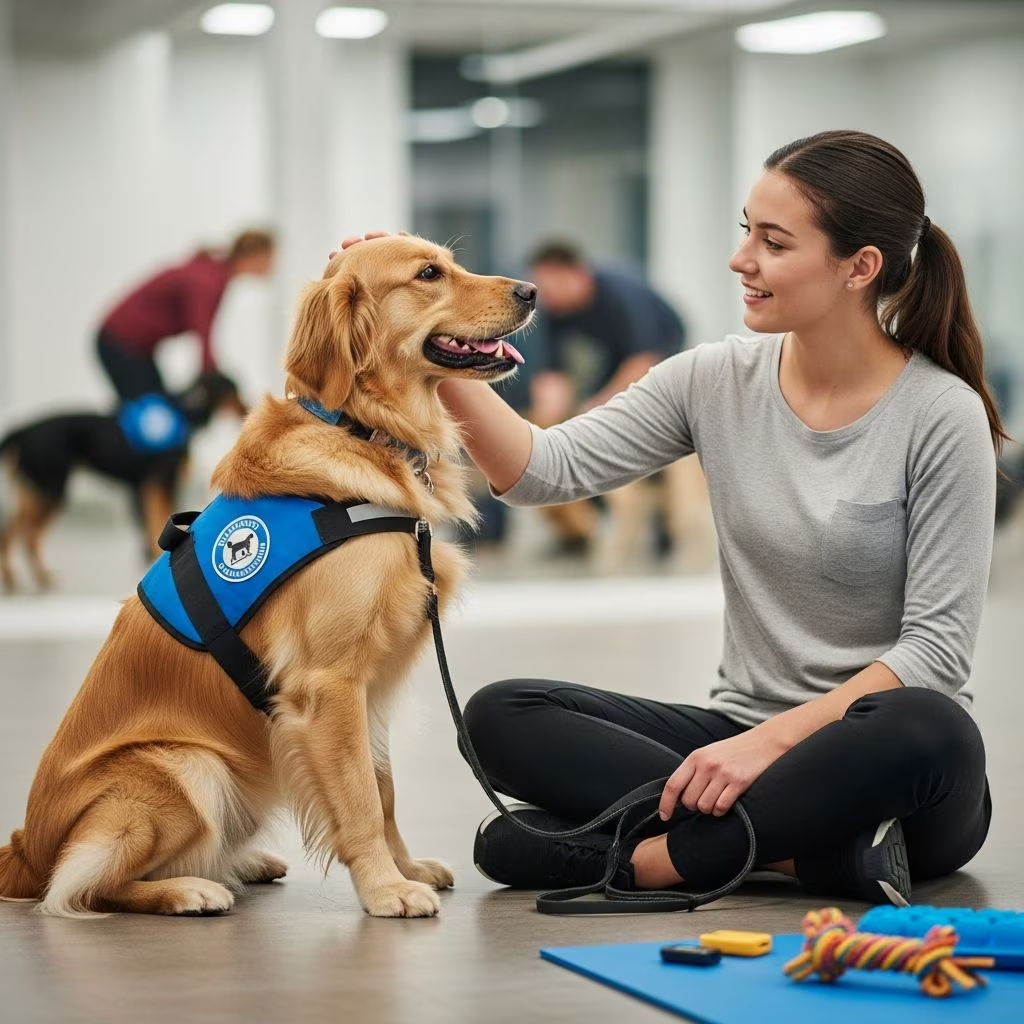
Dog Therapy Training and Dog Rehabilitation Certification
Dog therapy has emerged as a powerful tool for improving canine physical and mental health, enhancing the bond between dogs and their owners, and providing comfort and emotional support to people in various settings. Whether you’re interested in becoming a certified therapy dog handler, helping your dog recover from an injury, or simply understanding the therapeutic benefits of training, this comprehensive guide covers everything you need to know about dog therapy, certification programs, and essential gear.
Understanding Dog Therapy: What It Is and Why It Matters
Dog therapy encompasses a broad range of therapeutic techniques designed to improve a dog’s physical health, mental well-being, and behavioral confidence. Unlike basic obedience training, therapy dog training focuses on specialized skills that allow dogs to provide comfort and support in various environments, from hospitals and nursing homes to schools and disaster relief areas. Therapy dogs must be calm, well-mannered, and able to handle unpredictable situations with grace and composure.
The benefits of dog therapy extend beyond the dogs themselves. Therapy dogs have been shown to reduce stress and anxiety in people they interact with, lower blood pressure, and provide emotional comfort during challenging times. For dog owners, understanding therapy techniques allows you to better manage your dog’s anxiety, build their confidence, and strengthen your relationship through meaningful interaction.
Foundation Training: Starting Early and Building Essential Commands
Before pursuing dog therapy training or certification, your dog must master fundamental obedience commands. Begin training as early as possible, as puppies are naturally receptive to learning and socialization. The following commands are absolutely essential for any therapy dog:
- Sit: One of the most basic and important commands, providing a foundation for further training and impulse control.
- Stay: Critical for safety and demonstrates your dog’s ability to maintain composure in various situations.
- Down: Essential for relaxation and helps your dog remain calm during extended interactions.
- Leave It: A crucial safety command that prevents your dog from picking up potentially harmful items or foods.
Successful execution of these commands demonstrates that your dog has the baseline obedience and focus necessary for advanced therapy training. A dog that cannot reliably follow basic commands is not ready for therapy work, as consistency and reliability are paramount in therapeutic settings.
Behavioral Modification and Anxiety Management
Many dogs pursuing therapy certification face behavioral challenges that must be addressed before they can effectively work in therapeutic roles. Anxiety, whether separation-related, situational, or generalized, can interfere with a dog’s ability to perform therapy work. The most important treatment for a dog’s anxiety is effective training designed to help address the root cause. Working with a reputable dog trainer or veterinary behaviorist is essential to developing a tailored plan that addresses your dog’s specific needs.
Desensitization and counterconditioning techniques are particularly effective for therapy dogs. For example, a dog with sound sensitivity can be gradually exposed to various noises in a controlled manner, paired with positive reinforcement, until the dog no longer perceives these sounds as threatening. Similarly, a dog with separation anxiety can be desensitized to departure cues—such as putting on shoes, picking up keys, or approaching the door—through small, incremental steps. Patience is absolutely key throughout this process.
Positive reinforcement remains the cornerstone of effective behavioral modification. When your dog displays calm behavior, reward them immediately with praise, treats, or enrichment toys like puzzle toys or treat-dispensing toys. This teaches your dog that calm behavior leads to positive outcomes, encouraging them to repeat this behavior in future situations.
Creating a Safe Space for Therapy Work
Every therapy dog needs a designated safe space—an area where they can relax, decompress, and feel secure. This space might be a specific room, a comfortable dog crate (for dogs who are crate-trained and comfortable), or a designated corner with their bed. Equip this space with:
- A comfortable, supportive dog bed
- Soft blankets and calming textures
- Favorite toys and enrichment items
- Access to fresh water
- Minimal external stimulation and noise
This safe space serves multiple purposes: it provides a refuge during stressful situations, supports recovery after therapy work, and gives your dog control over their environment. Dogs who have a reliable safe space typically show improved anxiety management and faster recovery between therapy sessions.
Physical Therapy and Exercise for Therapy Dogs
Physical therapy plays a crucial role in preparing and maintaining therapy dogs’ fitness and mobility. Structured exercise programs help dogs develop strength, endurance, and body awareness—all essential for therapy work. Several effective physical therapy exercises can be performed at home:
- Sit to Stand: Back your dog’s hind end into a corner, then use treats or voice commands to ask them to stand and slowly return to sitting. Repeat 10 times, twice daily, to strengthen hind limbs and core muscles.
- Step-ups: Encourage your dog to step up onto low platforms or stairs, building leg strength and coordination.
- Dancing: Hold your dog’s front paws or upper arms and raise them into a standing position, swaying side to side and progressing with forward, backward, and sideways movements.
- Core Exercises: Use wobble boards or stability balls to encourage balance and core engagement, gently tickling the belly to activate core muscles.
- Controlled Leash Walking: Structured walks at varying paces improve cardiovascular fitness and mental stimulation.
Before starting any physical therapy program, consult with your veterinarian or certified pet physical therapist to identify problem areas and establish realistic rehabilitation goals. Your professional should assess whether your dog needs increased mobility and decreased joint stiffness or if the focus should be on building strength and muscle mass.
Massage and Body Awareness Techniques
Massage is a powerful therapeutic tool that mirrors the benefits humans experience from professional massage. Dogs, like their human counterparts, benefit tremendously from therapeutic touch. Learning proper massage techniques enhances relaxation, promotes lymphatic drainage, and strengthens the human-animal bond.
Effleurage is the most commonly used massage technique in animal therapy. This method involves placing your flat hand over your dog’s skin and moving smoothly over the muscles using light, consistent pressure. Effleurage is particularly effective for calming tissues and warming up the body, making it ideal for therapy dogs. To perform effleurage:
- Create a calm, quiet atmosphere for your dog
- Place your flat hand over your dog’s skin
- Move your hand over the muscles using gentle, light pressure
- After two to three minutes, progress to other areas like ears, tail, legs, and paws
- Pay attention to your dog’s response—some dogs find massage sedating while others find it stimulating
Another technique, called tapotement, involves rhythmic tapping that can be stimulating or relaxing depending on intensity and your individual dog’s preference. Professional massage classes or vet-approved online tutorials can teach you more advanced techniques to incorporate into your therapy dog’s routine.
Mental Stimulation and Enrichment
Mental enrichment is just as important as physical exercise for therapy dogs. A mentally stimulated dog is a confident, balanced dog. Tailor enrichment activities to your individual dog’s preferences and motivations:
- For dogs who love walks: Take them on new routes to experience different smells and sights.
- For dogs who enjoy chase: Engage in fetch games and retrieve activities.
- For dogs motivated to please: Work on new obedience commands and fun behaviors.
- For dogs who love to chew: Provide puzzle toys and interactive toys that engage their natural behaviors.
Exercise is particularly important for anxiety management. Even just 10 minutes of quick play can help a dog relax and remain calm for several hours afterward. This is especially valuable for therapy dogs who need to maintain composure in demanding situations.
Calming Supplements and Nutritional Support
For dogs with anxiety or behavioral challenges, calming supplements can provide valuable support alongside training and behavioral modification. Nutritional supplements designed for canine anxiety often contain ingredients with soothing properties that promote relaxation without sedation. Popular options include:
- VetriScience Composure: Contains clinically tested ingredients specifically formulated for canine anxiety and confidence.
- Nutramax Solliquin: A soft chew supplement designed to support calm and confident behavior in anxious dogs.
- Purina Calming Care: A daily powdered probiotic supplement that promotes calm through gut health support.
Always consult with your veterinarian before introducing any supplements, as they can provide recommendations specific to your dog’s age, size, and health status.
Essential Gear for Therapy Dogs
Proper equipment enhances both the comfort and effectiveness of therapy dog training and work. Consider investing in the following items:
| Gear Category | Recommended Items | Purpose |
|---|---|---|
| Enrichment Toys | KONG toys, puzzle feeders, treat-dispensing toys | Mental stimulation and anxiety relief |
| Comfort Items | Dog beds, blankets, calming wraps | Create safe spaces and promote relaxation |
| Training Supplies | Clicker trainer, training treats, leash | Facilitate obedience training and behavior modification |
| Massage Tools | Massage gloves, grooming mitts, massage rollers | Perform therapeutic massage and body awareness work |
| Physical Therapy | Stability ball, wobble board, agility equipment | Support rehabilitation and strength building |
Therapy Dog Certification Programs
Formal certification demonstrates that your dog has met specific standards for behavior, obedience, and suitability for therapeutic work. Various organizations offer therapy dog certification, each with their own requirements and assessment criteria. Most programs evaluate:
- Reliable obedience and command response
- Calm demeanor in unfamiliar environments
- Ability to handle physical touch and handling
- Socialization with diverse people and environments
- Freedom from reactive or aggressive behaviors
Certification typically requires passing a formal test administered by an approved evaluator. Your veterinarian can recommend reputable certification organizations in your area. Some organizations also offer certification specifically for specialized therapy roles, such as crisis response, hospital therapy, or school-based programs.
Working with Professional Trainers and Behaviorists
Professional guidance is invaluable when developing a therapy dog. A reputable dog trainer or board-certified veterinary behaviorist can:
- Assess your dog’s temperament and suitability for therapy work
- Develop a customized training plan addressing specific needs
- Provide hands-on instruction in proper techniques
- Monitor progress and adjust methods as needed
- Help troubleshoot behavioral challenges
- Guide certification preparation
Look for trainers who use positive reinforcement methods and who have experience with therapy dog preparation. Avoid trainers who use punishment-based or aversive techniques, as these can increase anxiety and behavioral problems.
Common Challenges in Therapy Dog Training
Many dogs face obstacles on their path to becoming therapy dogs. Understanding common challenges helps you address them proactively. Separation anxiety, sound sensitivity, fear of crowds, and difficulty with handling are among the most prevalent issues. The key to overcoming these challenges is patience, consistency, and often professional support. Remember that progress may be slow, and setbacks are normal parts of the process. Celebrate small victories and maintain realistic expectations about timelines.
Frequently Asked Questions
Q: At what age can I start therapy dog training?
A: You can begin basic obedience training at 8-12 weeks of age. However, specialized therapy dog training is typically most effective with dogs aged one to two years who have mastered foundational commands and have matured behaviorally.
Q: Can any dog become a therapy dog?
A: While many dogs can benefit from therapy training, not all dogs are suited for therapy work. Dogs must have a calm temperament, reliable obedience, and the ability to handle new situations without anxiety or reactivity. Your veterinarian can help assess your dog’s suitability.
Q: How long does therapy dog certification take?
A: The timeline varies depending on the organization and your dog’s starting point. Most dogs require 6-12 months of consistent training before they’re ready for certification testing. Dogs with behavioral challenges may require longer.
Q: What’s the difference between a therapy dog and a service dog?
A: Therapy dogs provide comfort and emotional support to multiple people in various settings like hospitals and schools. Service dogs are trained to perform specific tasks for an individual with a disability and have different legal rights and training requirements.
Q: Can senior dogs become therapy dogs?
A: Yes, senior dogs can become therapy dogs if they have the right temperament and health status. In fact, many older dogs excel at therapy work due to their calm, patient nature and life experience.
Q: How often should I practice therapy training with my dog?
A: Consistency is key. Aim for short, frequent training sessions of 10-15 minutes, several times daily. This maintains focus and prevents fatigue while ensuring steady progress toward your goals.
References
- Dog Anxiety 101: Signs, Causes and Treatment — Chewy. 2024. https://www.chewy.com/education/dog/health-and-wellness/dog-anxiety
- How to Give Your Pup a Dog Massage — Chewy. 2024. https://www.chewy.com/education/dog/pet-parenting/give-pup-dog-massage
- 6 Simple Ways to Help Your Dog’s Mental Health — Chewy. 2024. https://www.chewy.com/education/dog/health-and-wellness/health-wellness-6-simple-ways-to-help-your-dogs-mental-health
- Separation Anxiety in Dogs and How to Help Your Pup — Chewy. 2024. https://www.chewy.com/education/dog/health-and-wellness/reducing-separation-anxiety-dog
- Dog Physical Therapy Exercises Your Pet Can Do at Home — Chewy. 2024. https://www.chewy.com/education/dog/training-and-behavior/dog-physical-therapy-exercises-pet-can-home
- Dog Body Language: 28 Things Your Dog Is Trying to Tell You — Chewy. 2024. https://www.chewy.com/education/dog/general/decoding-dogs-body-language



